
Fraud detection
By integrating intelligence from all our sources, our dedicated fraud management team monitors transactions 24/7 to reduce potential fraud risk.
We use cookies to improve your experience, analyse traffic, and personalise content. Learn more

Careem is committed to protecting you against the growing threats of internet scams, identity theft, and malicious fraud. Our priority is to keep your personal information private, safe and secure.
By integrating intelligence from all our sources, our dedicated fraud management team monitors transactions 24/7 to reduce potential fraud risk.

As a new user signing up, the Careem app ensures account security and trust through multiple verifications, which include completing thorough security procedures for customer identification and verification.
Your personally identifiable data is safe with us. Even our customer service agents cannot see your full credit card number, expiry or CVV details. When you enter your credit card information into the app, it’s masked so it can’t be misused.
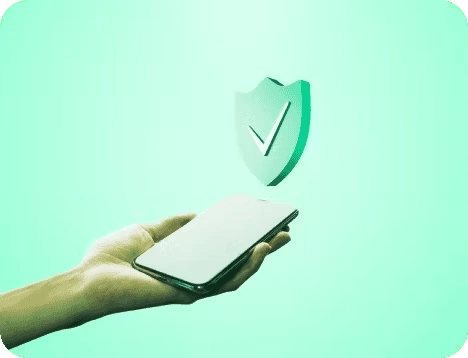
Beware of Internet scams and phishing. Phishing is a very common cybercrime that needs no technical skills. Scammers posing as legitimate and reputable entities use fraudulent methods to trick you into revealing sensitive information such as passwords, personal information, credit card details and other financial information.
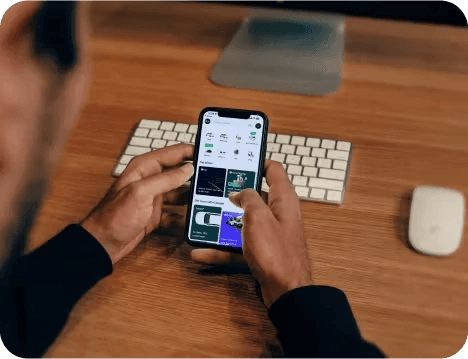
While we endeavor to provide our customers with the best service and benefits, it’s also important to us that they are safe from any kind of security risk and fraud. If you notice that you have been a victim of a phishing attack or fraud and you are concerned about your Careem account, we urge you to immediately report such incidents to our Customer Care team via the Help tab on the app or here under Cyber Security service.
At Careem, we protect our Customers’ data by maintaining industry best practices for security. Our Customers trust us with their bank cards, personal data and other information while using our services.
With digital services enabling almost every aspect of our daily life – be it hailing a cab ride, ordering food or paying bills – safeguarding these interactions is becoming more and more critical to ensure that customers’ trust.
Cyberattacks are becoming more sophisticated and cybercriminals continue to develop insidious ways to breach security. Fraud committed against customers is a growing threat.