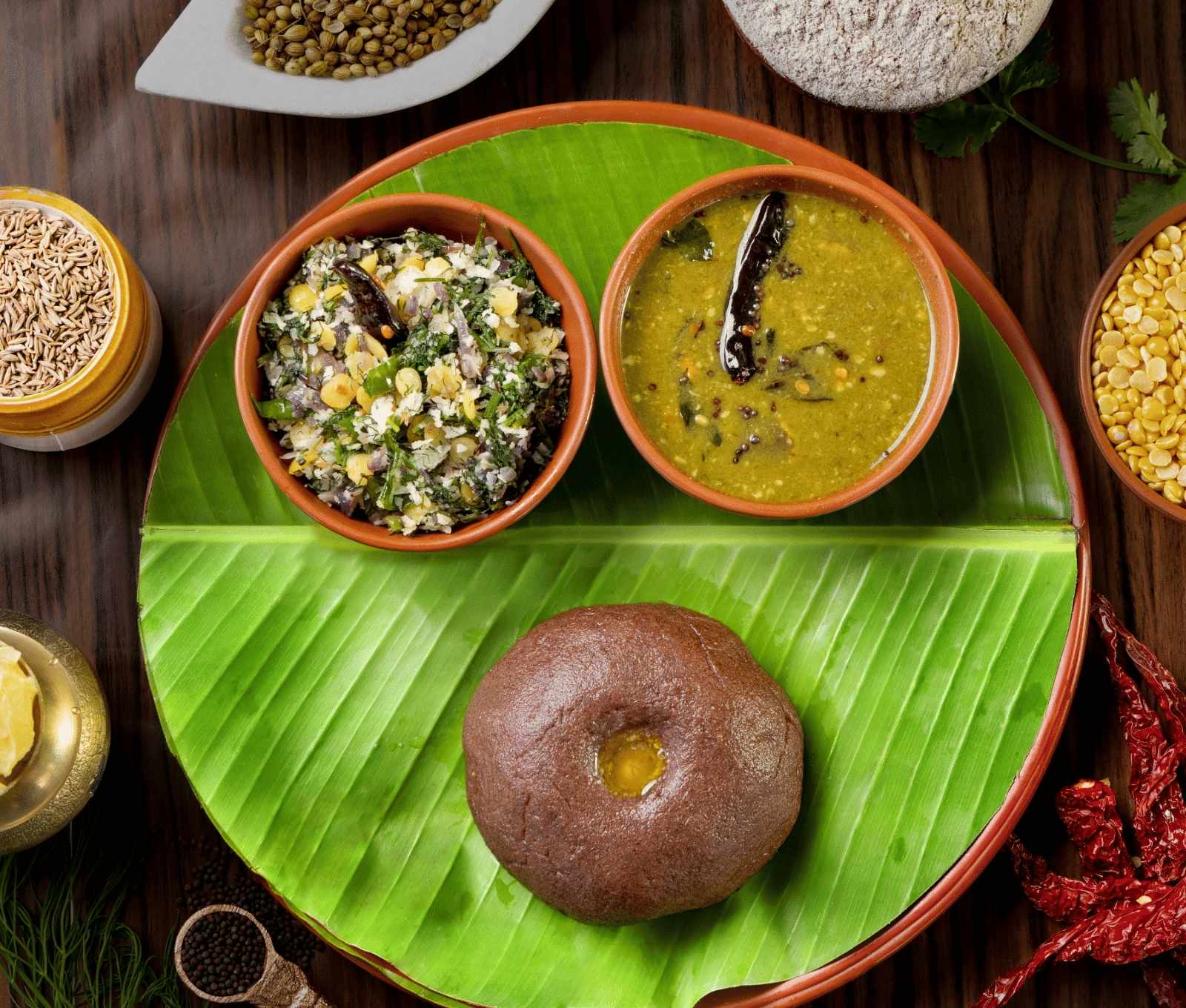
2 Rice (akki) idli
idli is the most famous South Indian food after dosé. Made from rice and lentils and cooked in steam. Eaten usually with sambar and chutney. We recommend the idli - vade combination!
18.13
We use cookies to improve your experience, analyse traffic, and personalise content. Learn more

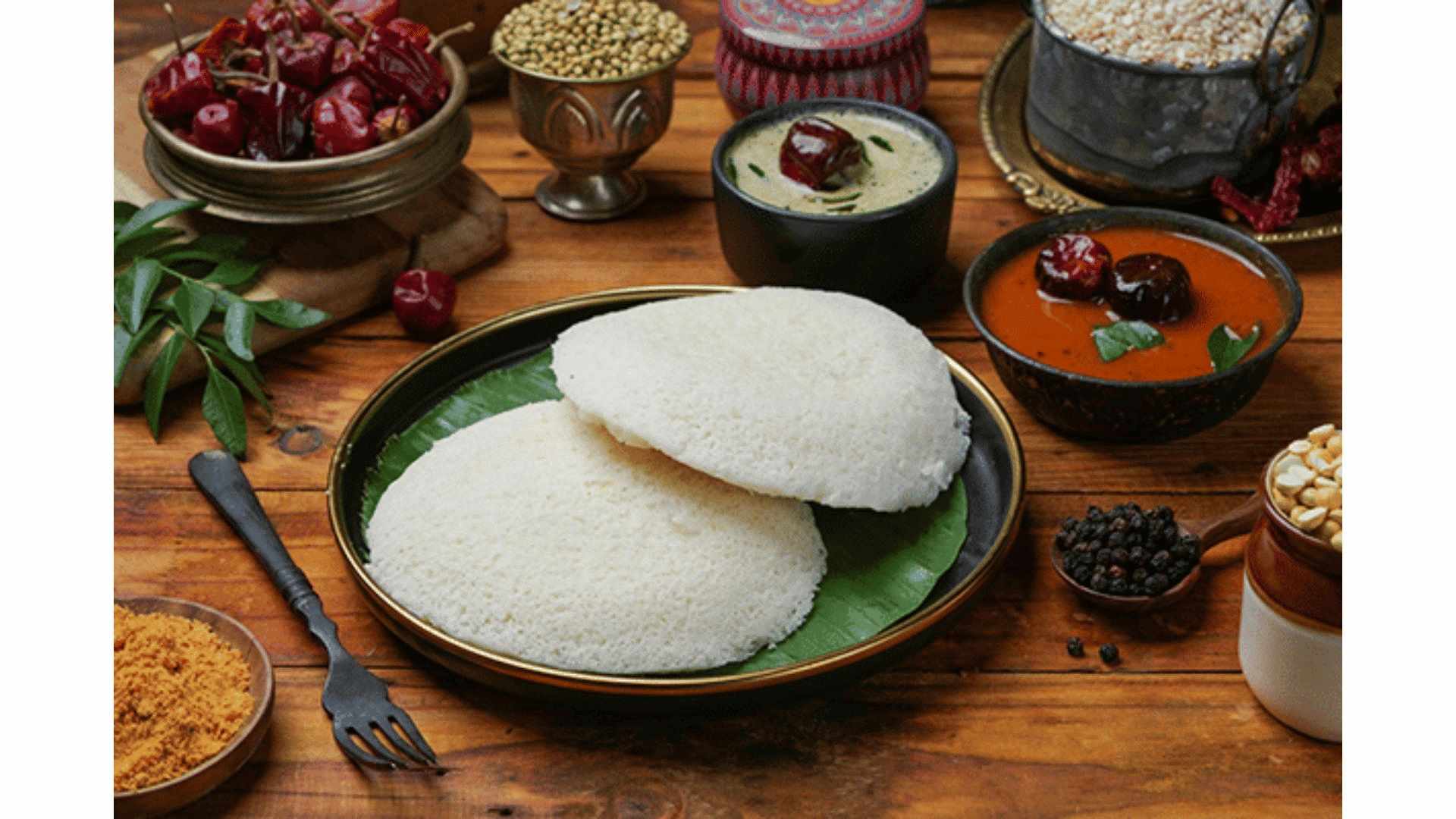
idli is the most famous South Indian food after dosé. Made from rice and lentils and cooked in steam. Eaten usually with sambar and chutney. We recommend the idli - vade combination!
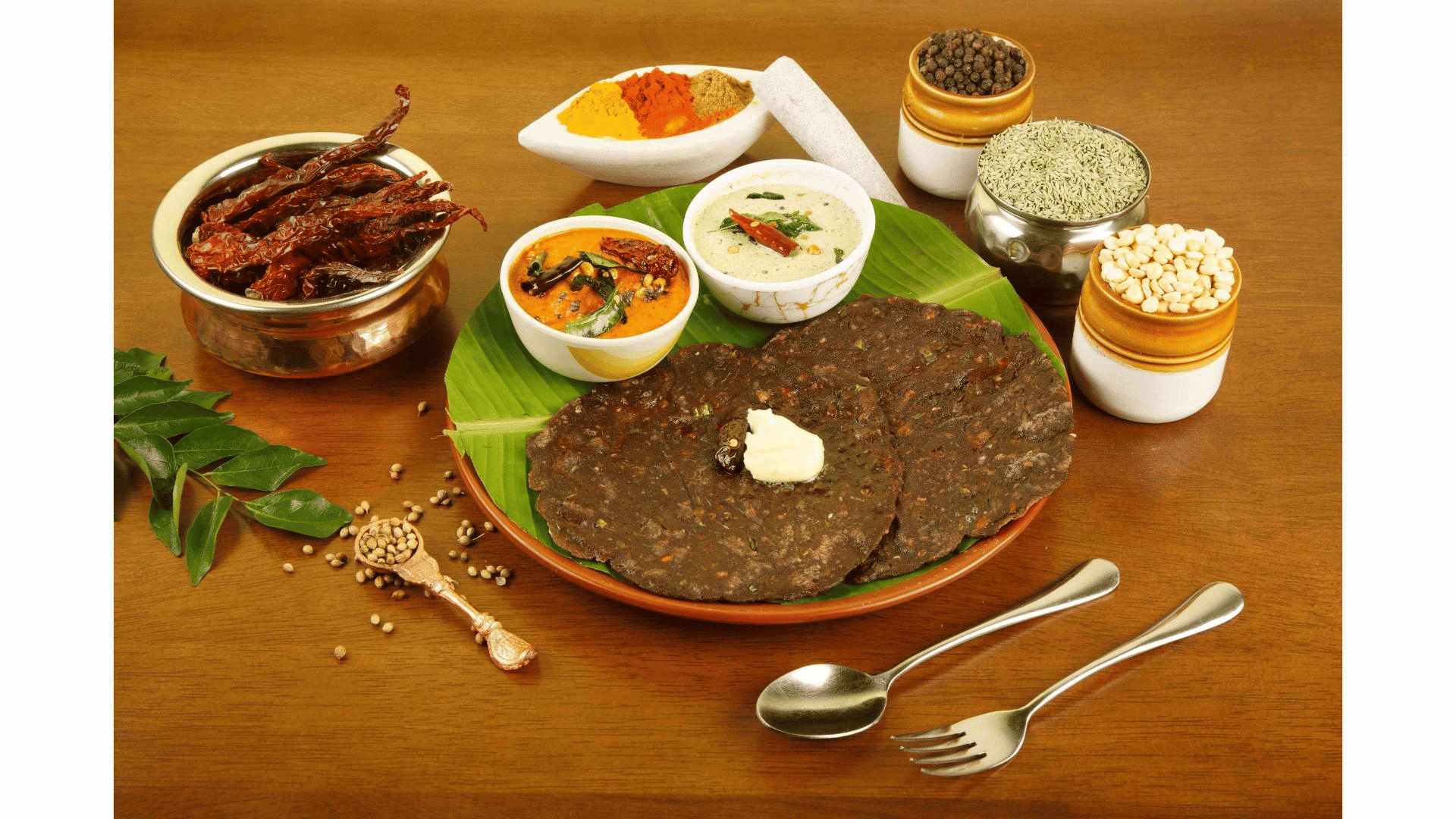
A finger millet bake, burnt on the pan with oil (both sides). We also add cumin seeds, salt, chopped chillies and coriander. Ragi is considered a healthier option. Served with Kadalebele chutney.
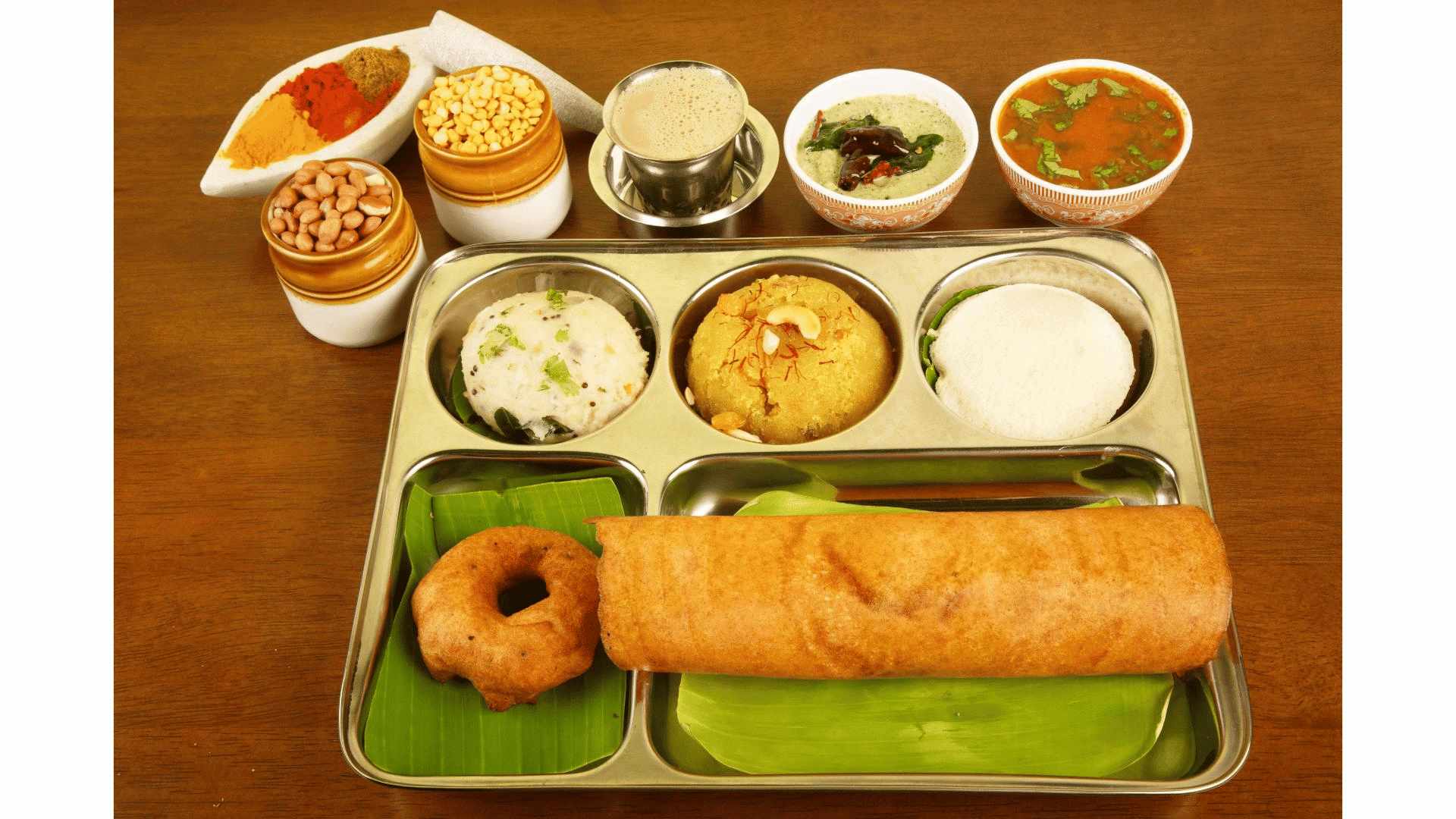
A set breakfast containing one dose (or Pōri), idli, vade, uppittu, kesaribath and kaapi (or tea).
This is a variant of the beņņé dose but with the spices. Please note that we use only Indian cow ghee / butter for our dose items.
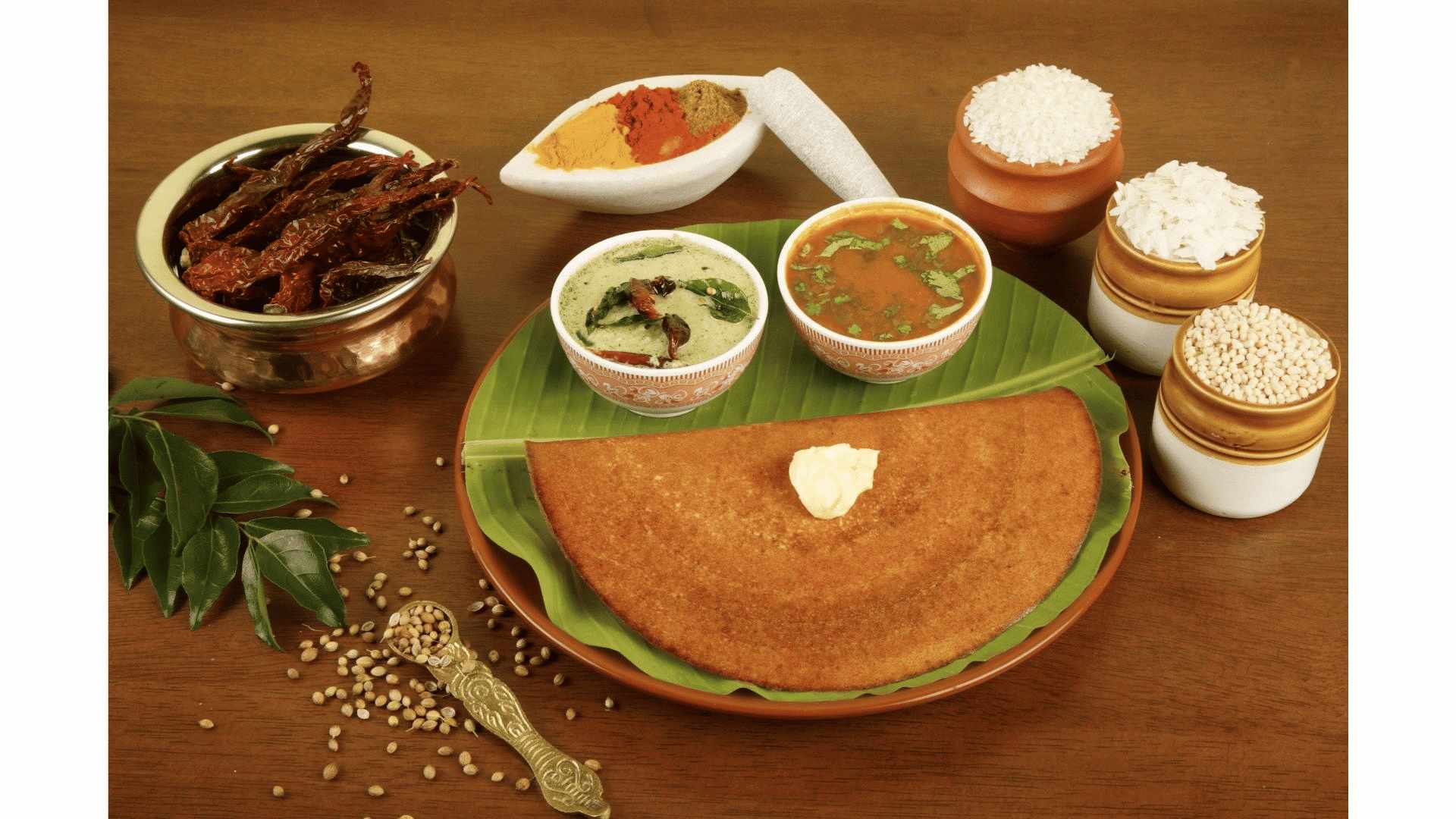
A type of poha with mustard seeds, green chillies and other spices served with chutney
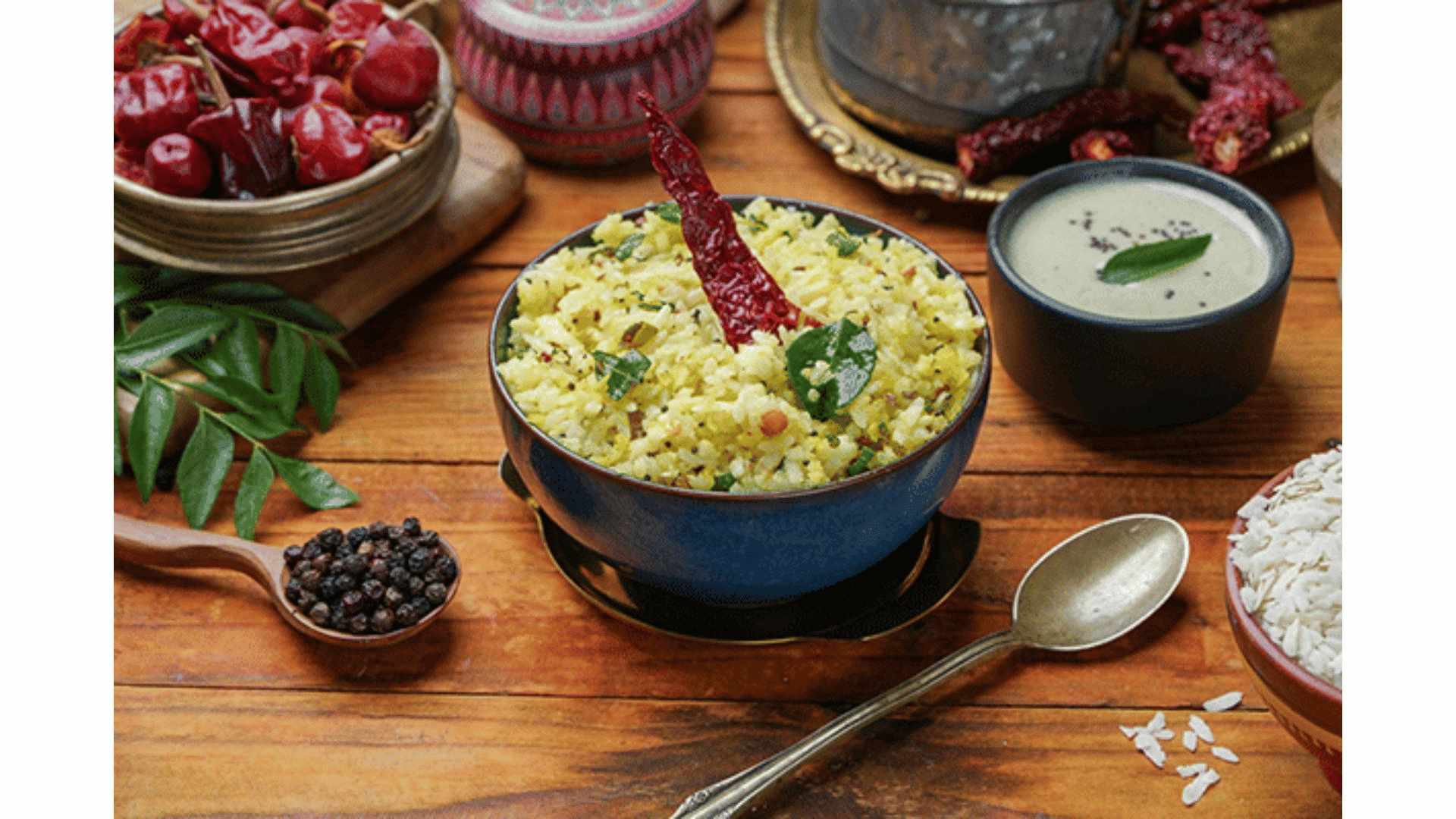
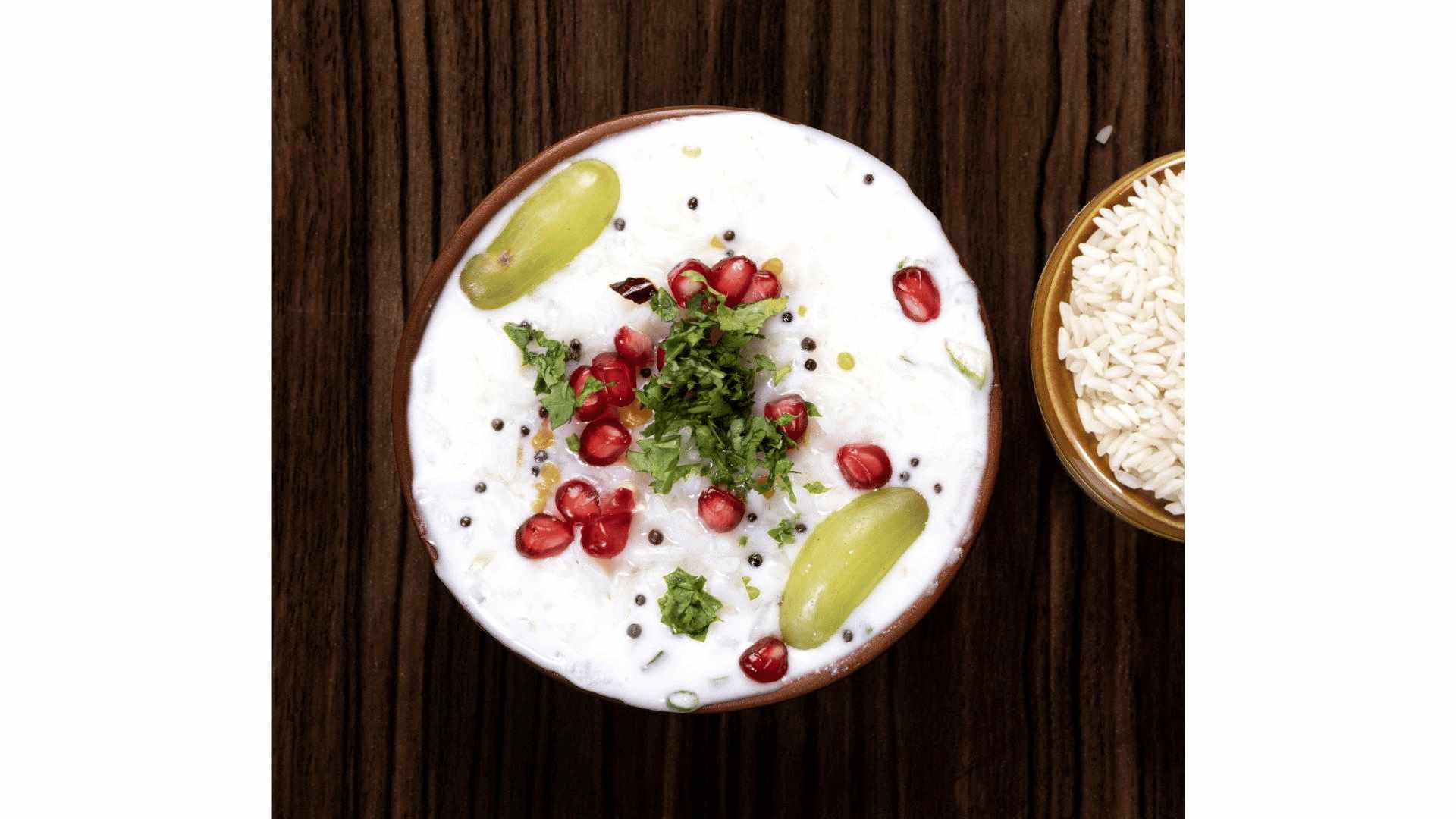
A healthy on the stomach product made by mixing yoghurt / curd and boiled rice. We enhance the flavour by adding pomegranate seeds, chopped chillies and coriander leaves.
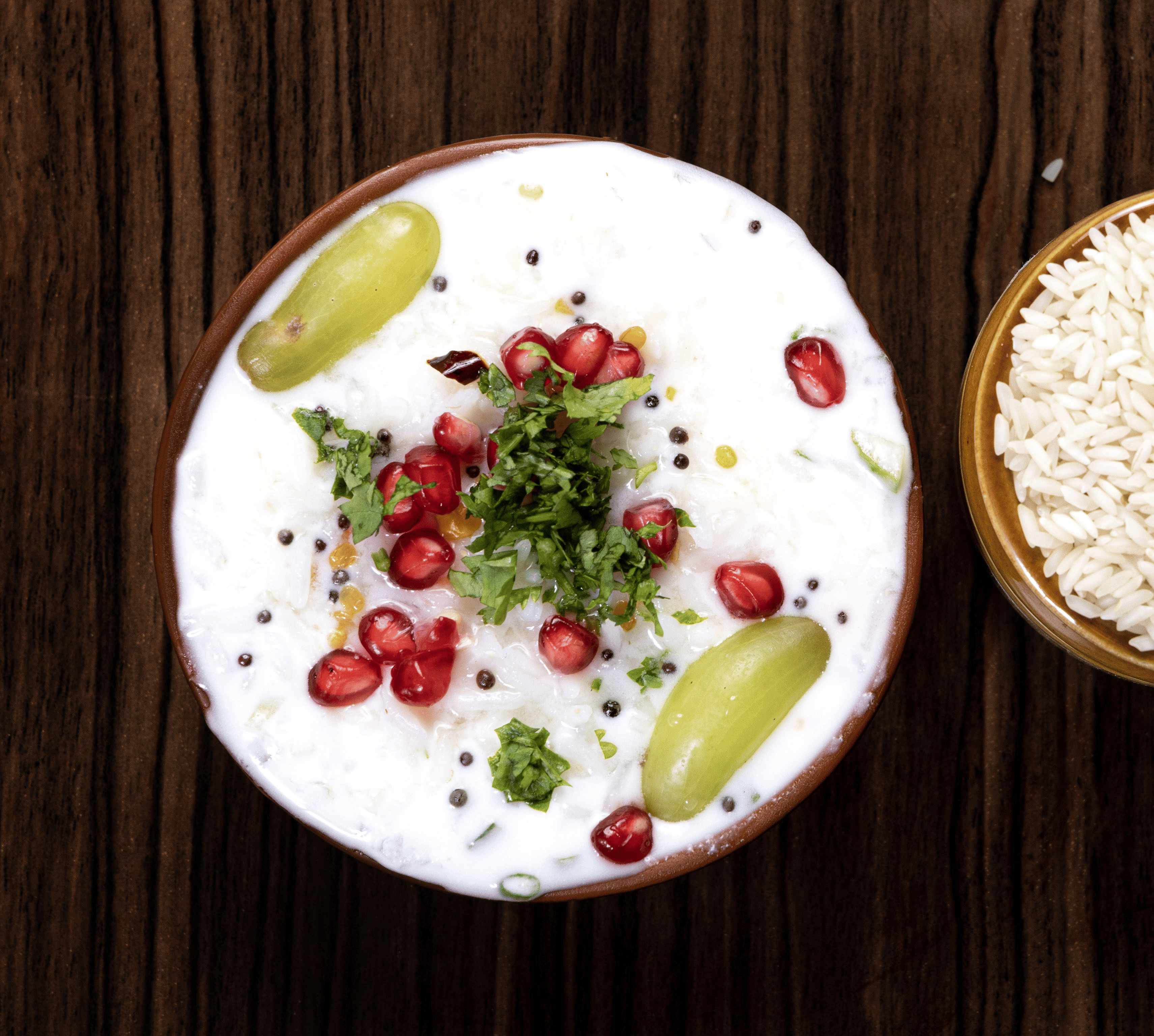
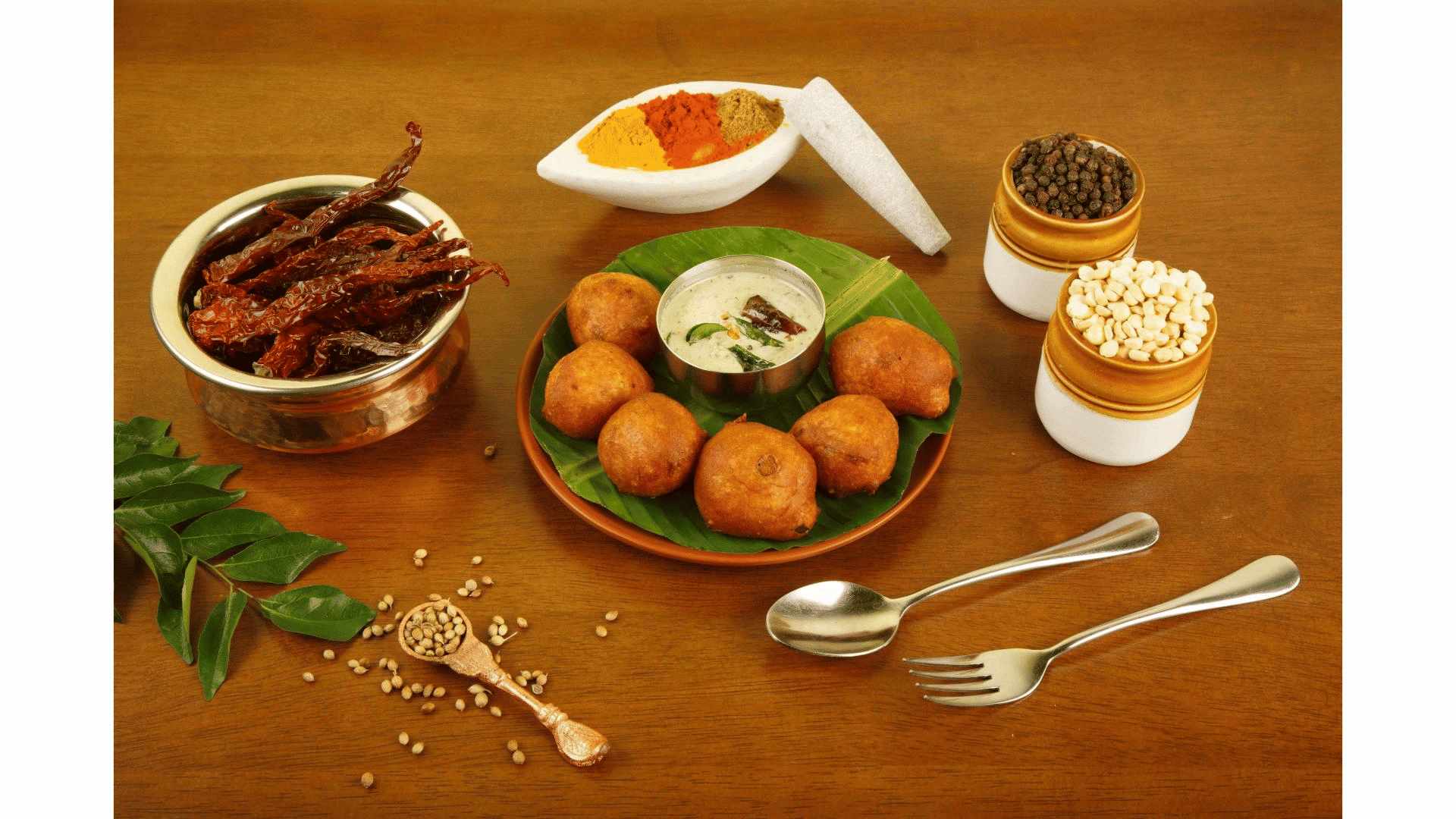
Two sweet fried breads (called Mangalore Buns) made with mashed bananas, flour, sugar and spiced with a touch of ground cumin. A unique dish from the South Canara region, is eaten with coconut chutney and sambar. Please note that this item contains baking soda.
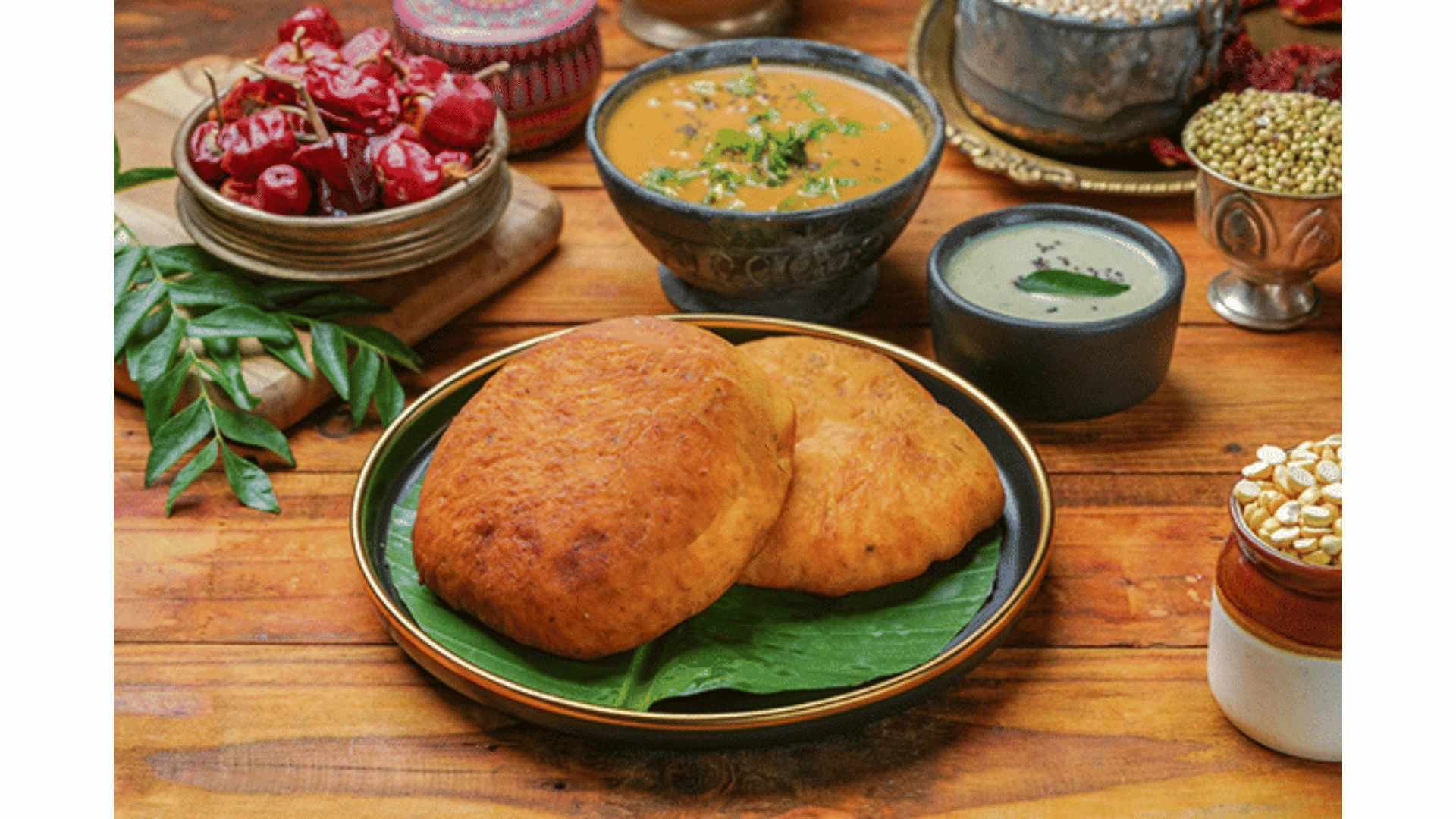
Very common in Brahmin and Iyengar families of Karnataka, this flavoured rice includes peanuts.
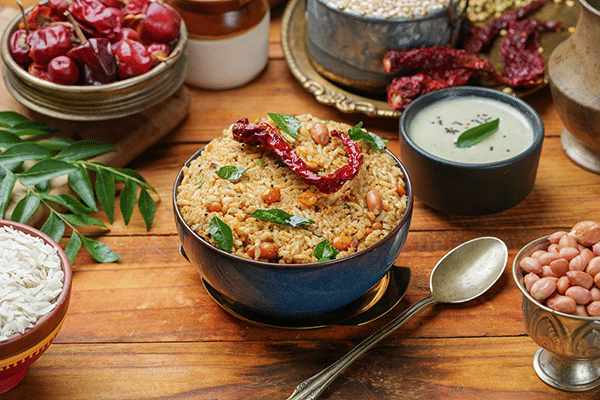
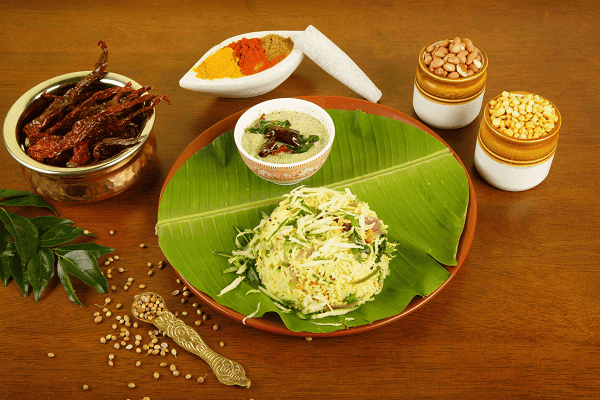
Raw mango is grated and added to the chithranna. Chithranna is prepared by mixing cooked rice with lemon juice, fried mustard, peanuts and curry leaves.
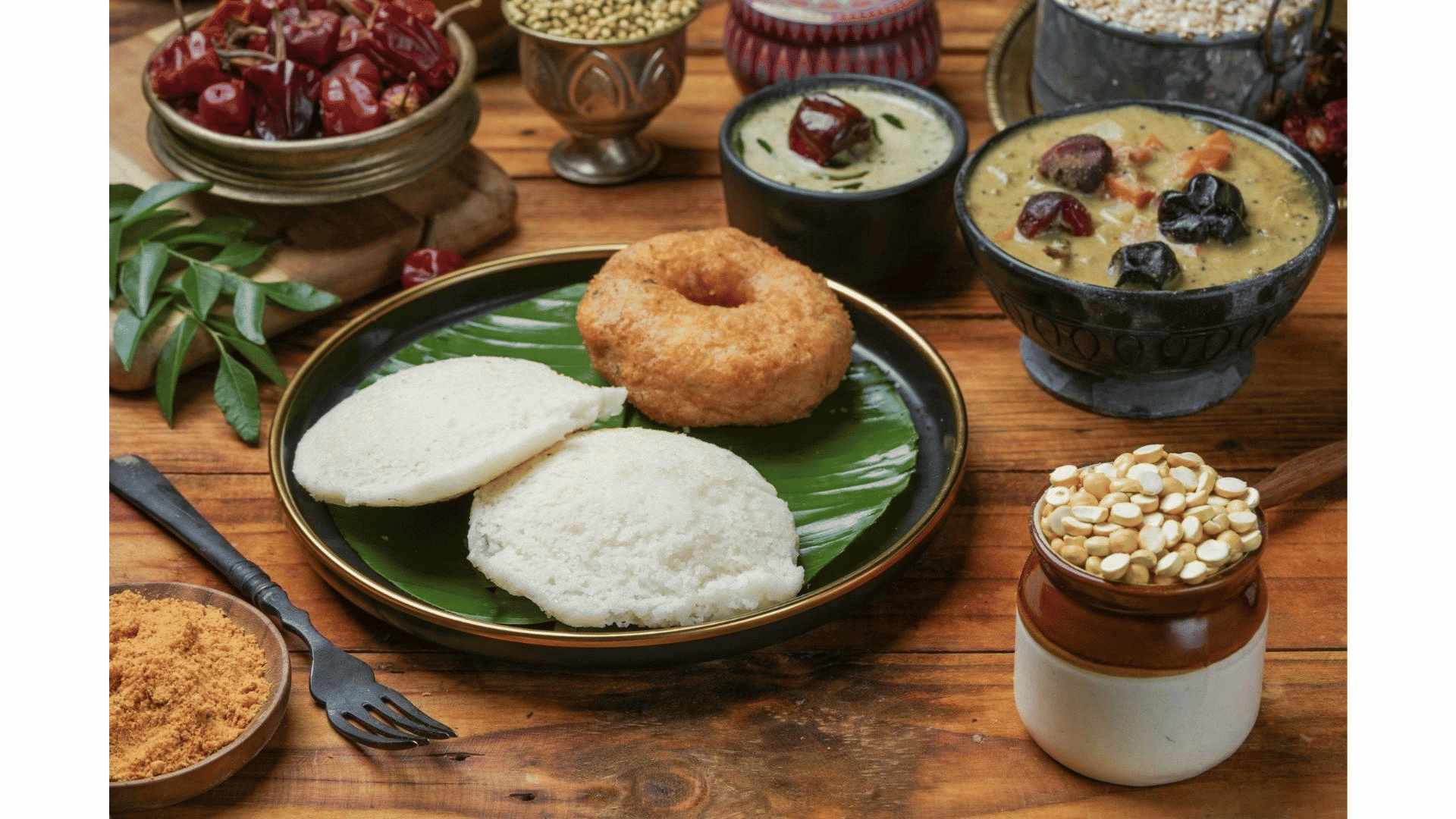
This is a combination of idli and vade. It is served with Huļi (sambar) and chutney.
One piece of flat idli. Instead of the popular shape of idli, this has ghee, is flatter, bigger and contains spice powder. It is served with sambar and chutney. This item contains baking soda.
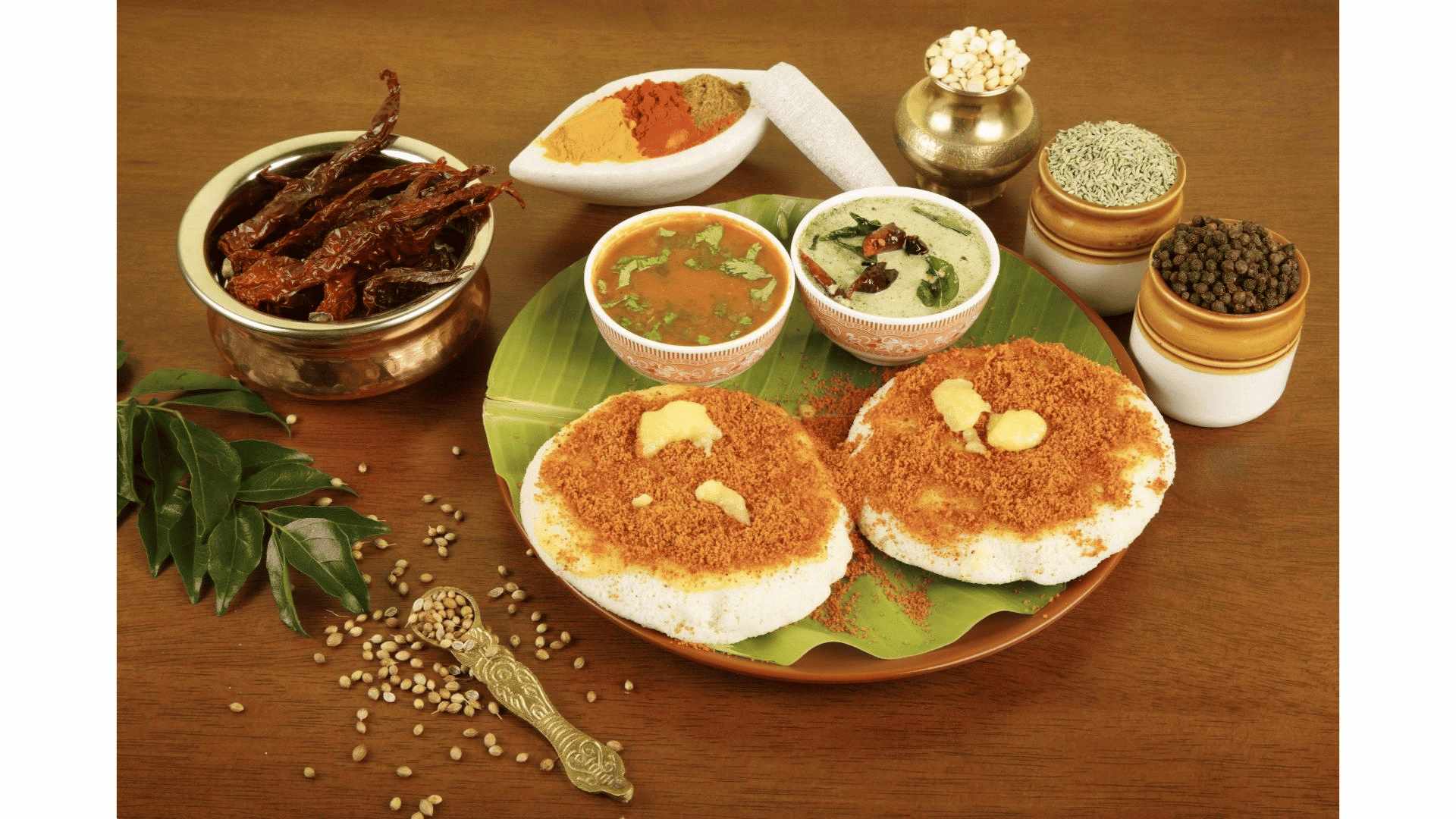
One piece of flat idli. Instead of the popular shape of idli, this has ghee, is flatter and bigger. It is served with sambar and chutney. This item contains baking soda.
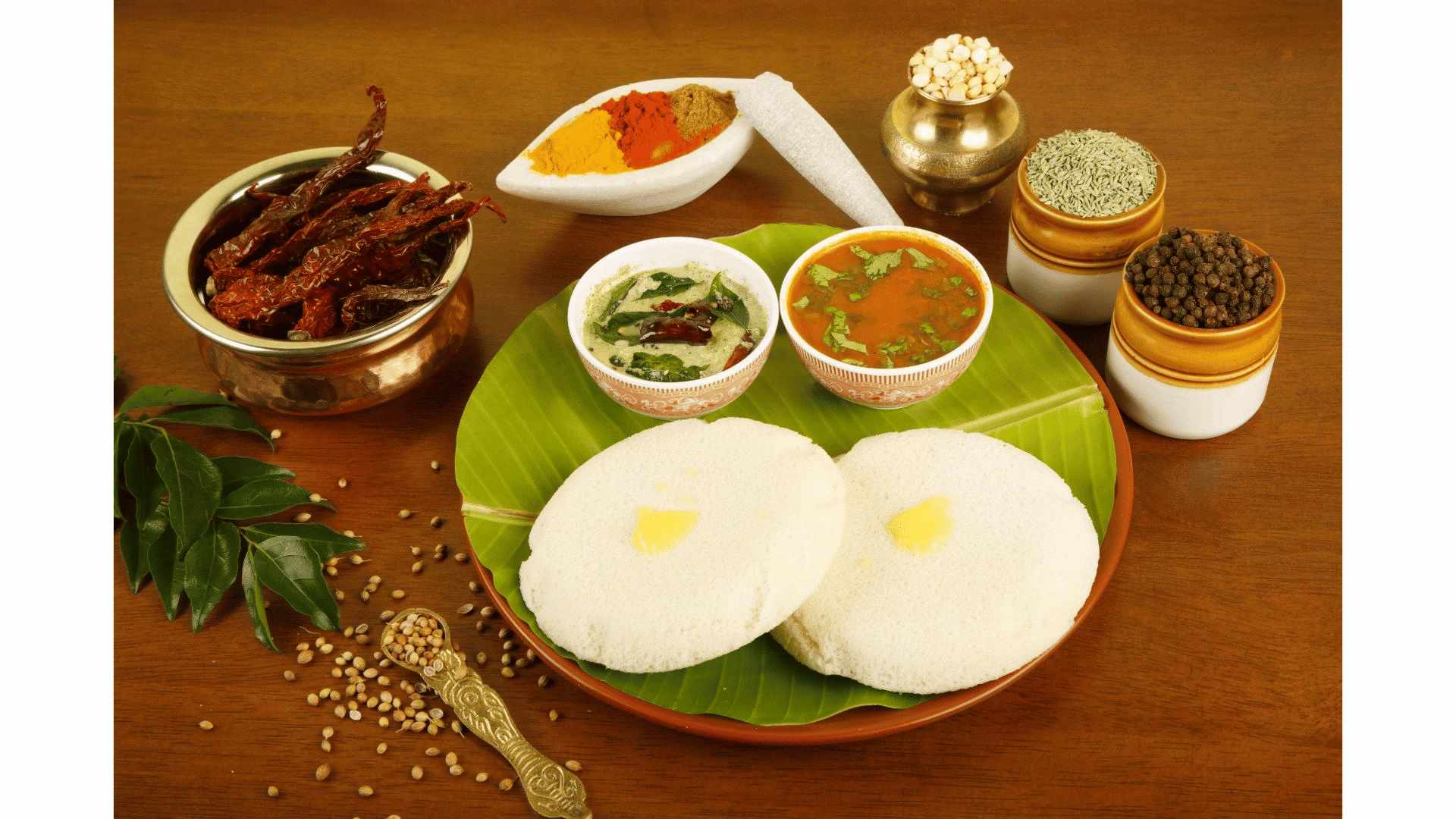
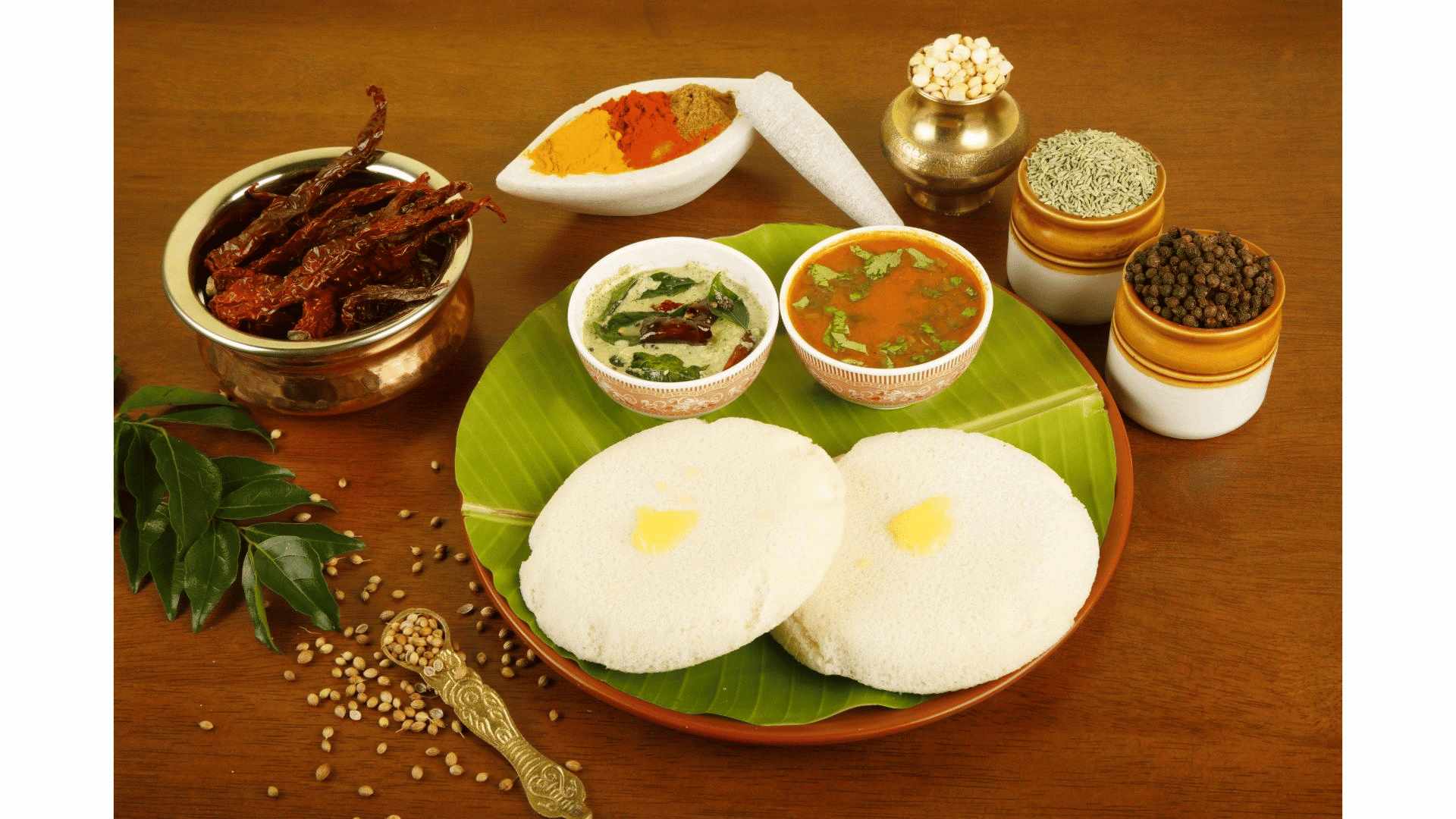
idli is the most famous South Indian food after dosé. Made from rice and lentils and cooked in steam. Eaten usually with sambar and chutney. We recommend the idli - vade combination!
A single semolina based idli, which is much bigger in size compared to the regular idlin. Served with sagu and chutney. Please note that this item contains baking soda.
Two pieces of flat idli. Instead of the popular shape of idli, this has ghee, is flatter, bigger and contains spice powder. It is served with sambar and chutney. This item contains baking soda.
Two pieces of flat idli. Instead of the popular shape of idli, this has ghee, is flatter and bigger. It is served with sambar and chutney. This item contains baking soda.
idli is the most famous South Indian food after dosé. Made from rice and lentils and cooked in steam. Eaten usually with sambar and chutney. We recommend the idli - vade combination!
Two semolina based idlis, which is much bigger in size compared to the regular idlin. Served with sagu and chutney. Please note that this item contains baking soda.
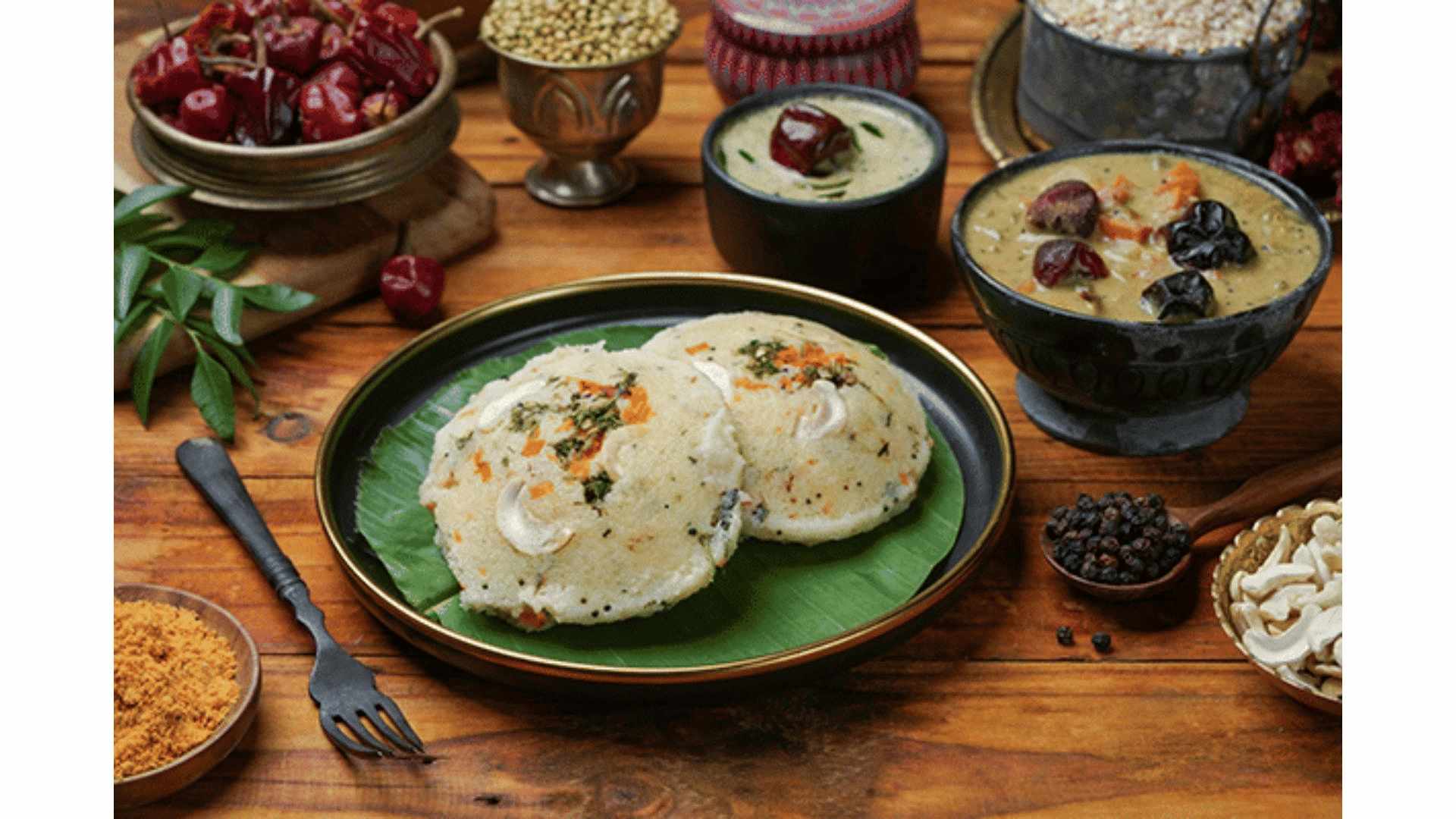
A type of idli unique to the South Canara region.
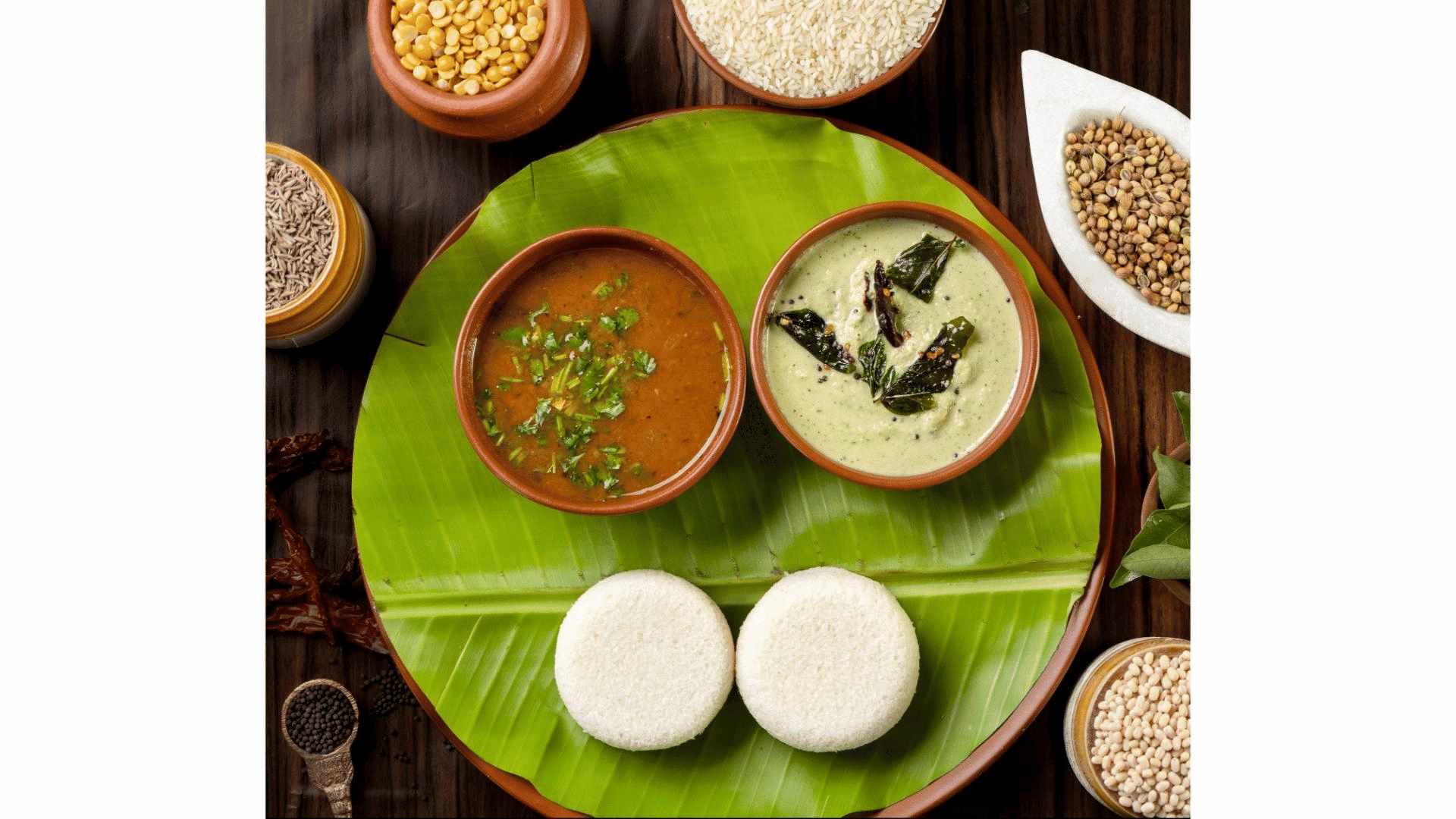
Pudi refers to powder in kannada. This is a variant of the traditional idli but with the spice powder added to the idli.
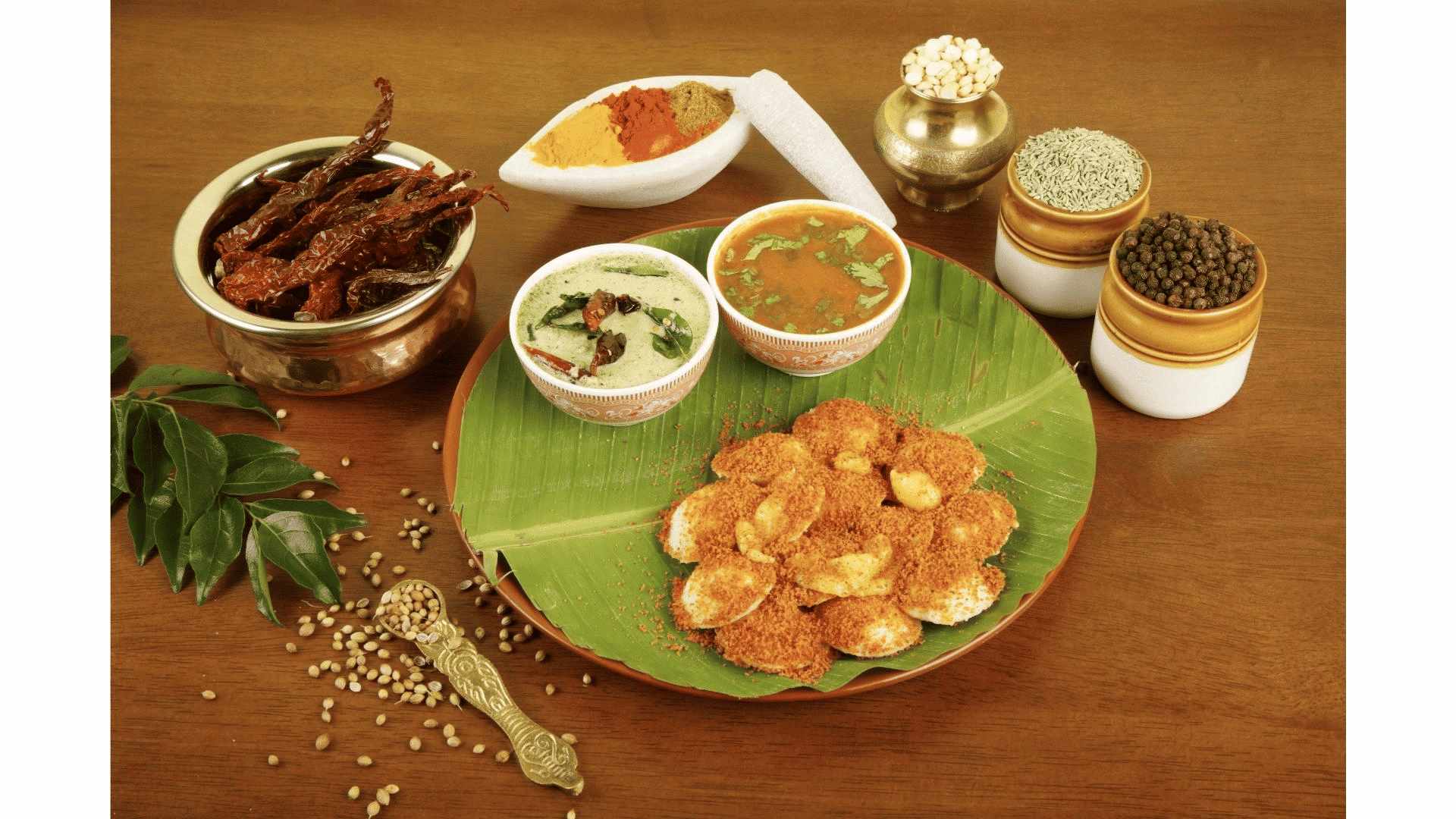
A spicy idli eaten with sagu and chutney
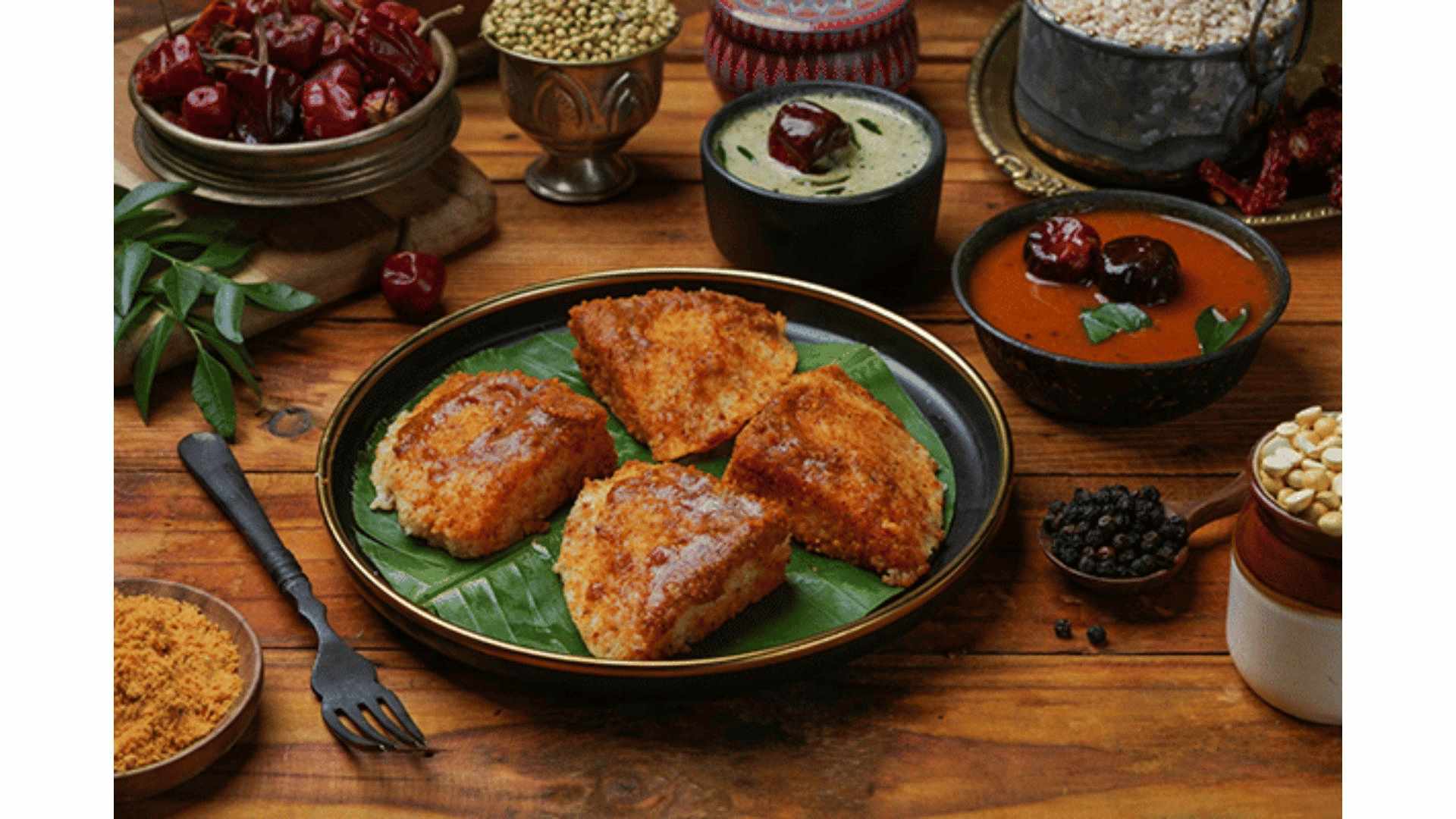
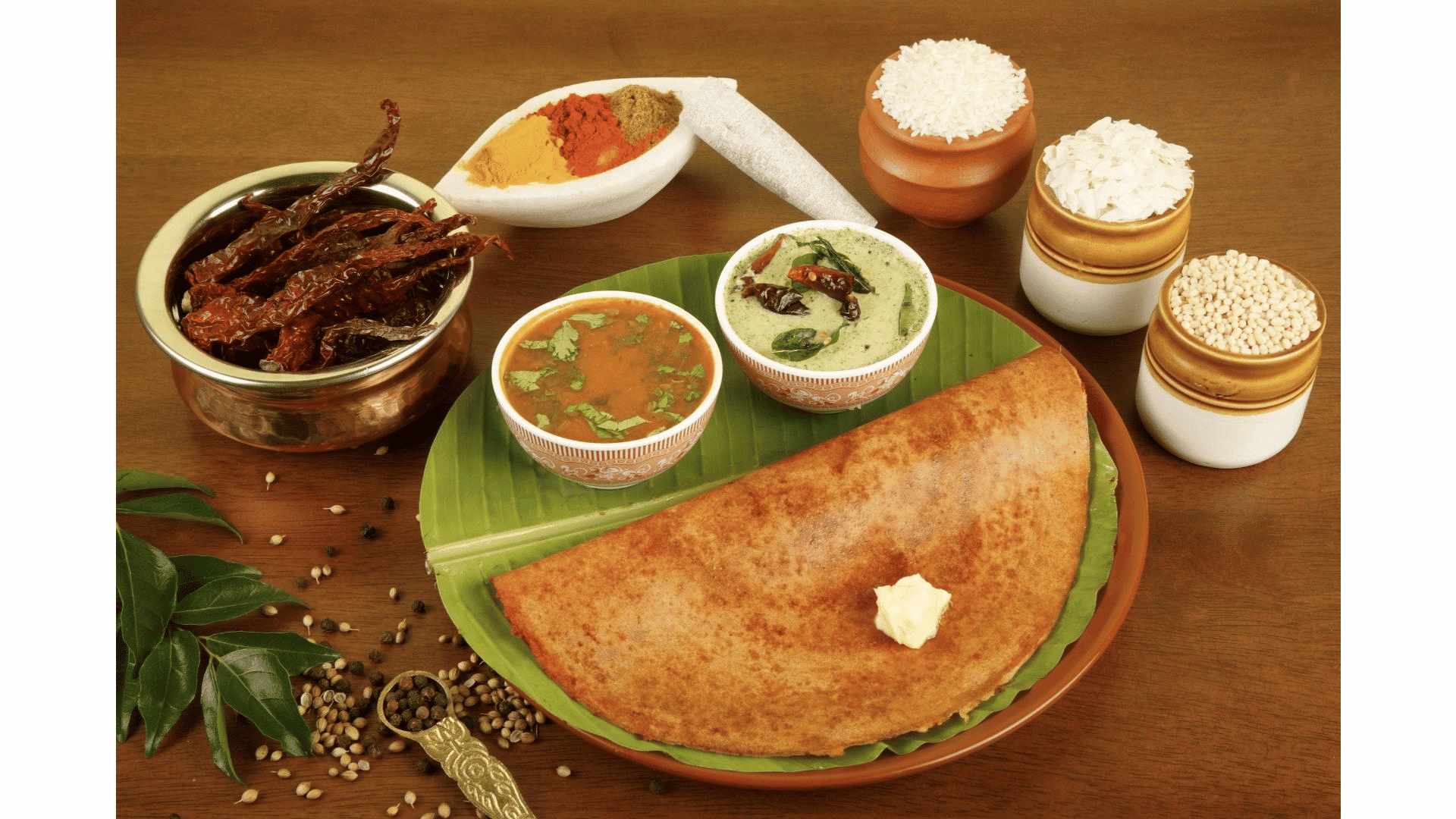
This is a variant of the beņņé dose but with the spices. Please note that we use only Indian cow ghee / butter for our dose items.
A really crispy variant of the dosé but with the spicy masalé inside it.
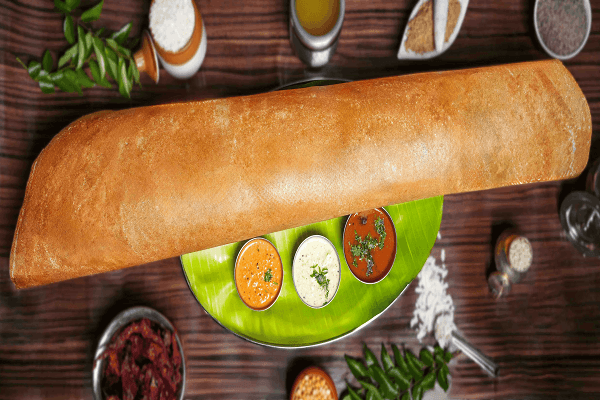
beņņé (butter in kannada) is very famous in karnataka. This is smaller and slightly thicker than the regular plain dose. Served with chutney and sambar. Please note that we use only Indian cow ghee / butter for our dose items.
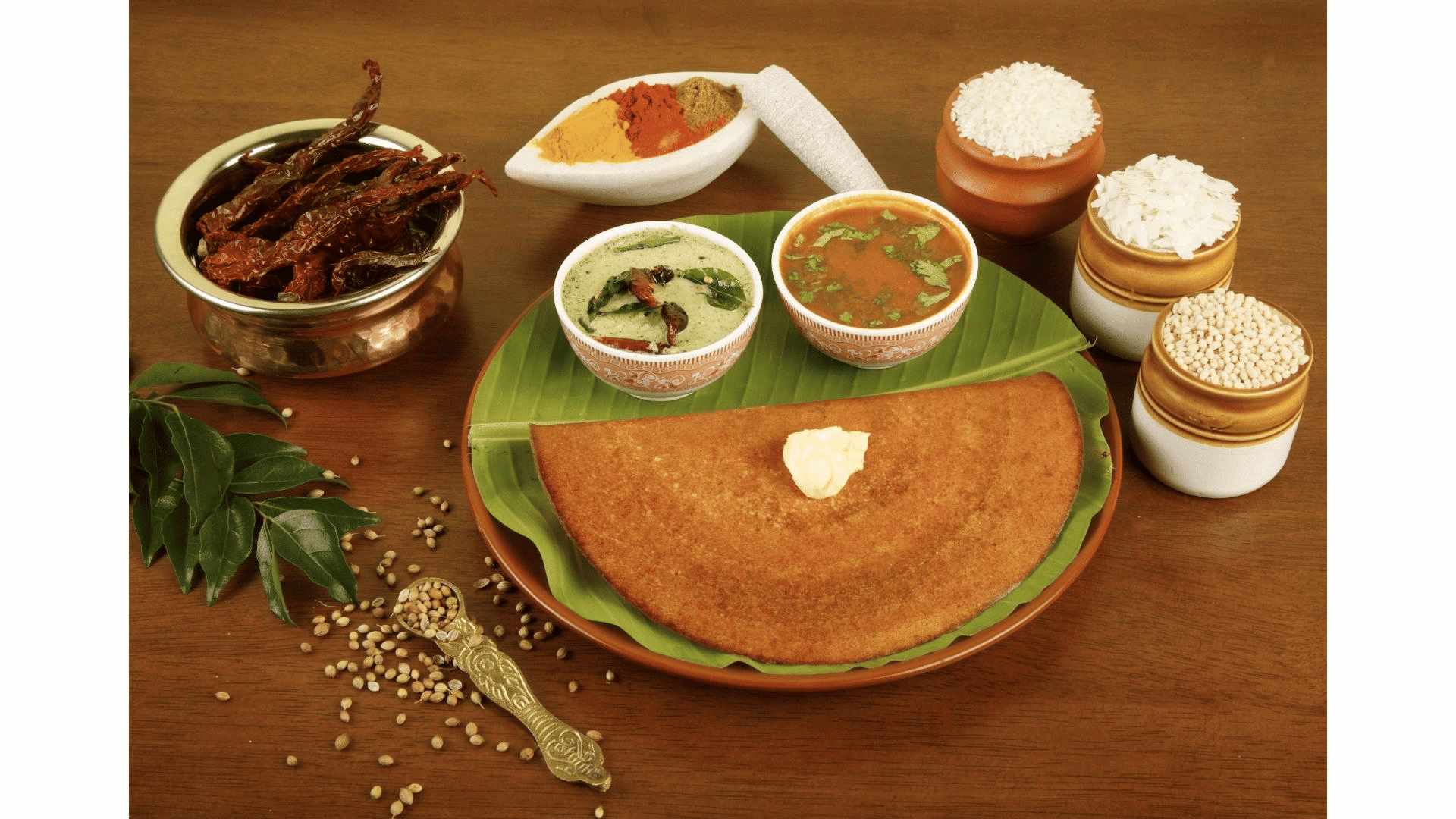
A really crispy variant of the dosé
This is a variant of the pudi masale dosé but with a coating of spicy powder (pudi) and generous use of butter. It is served with chutney and Huļi (sambar). Please note that we use only Indian cow ghee / butter for our dosé items.
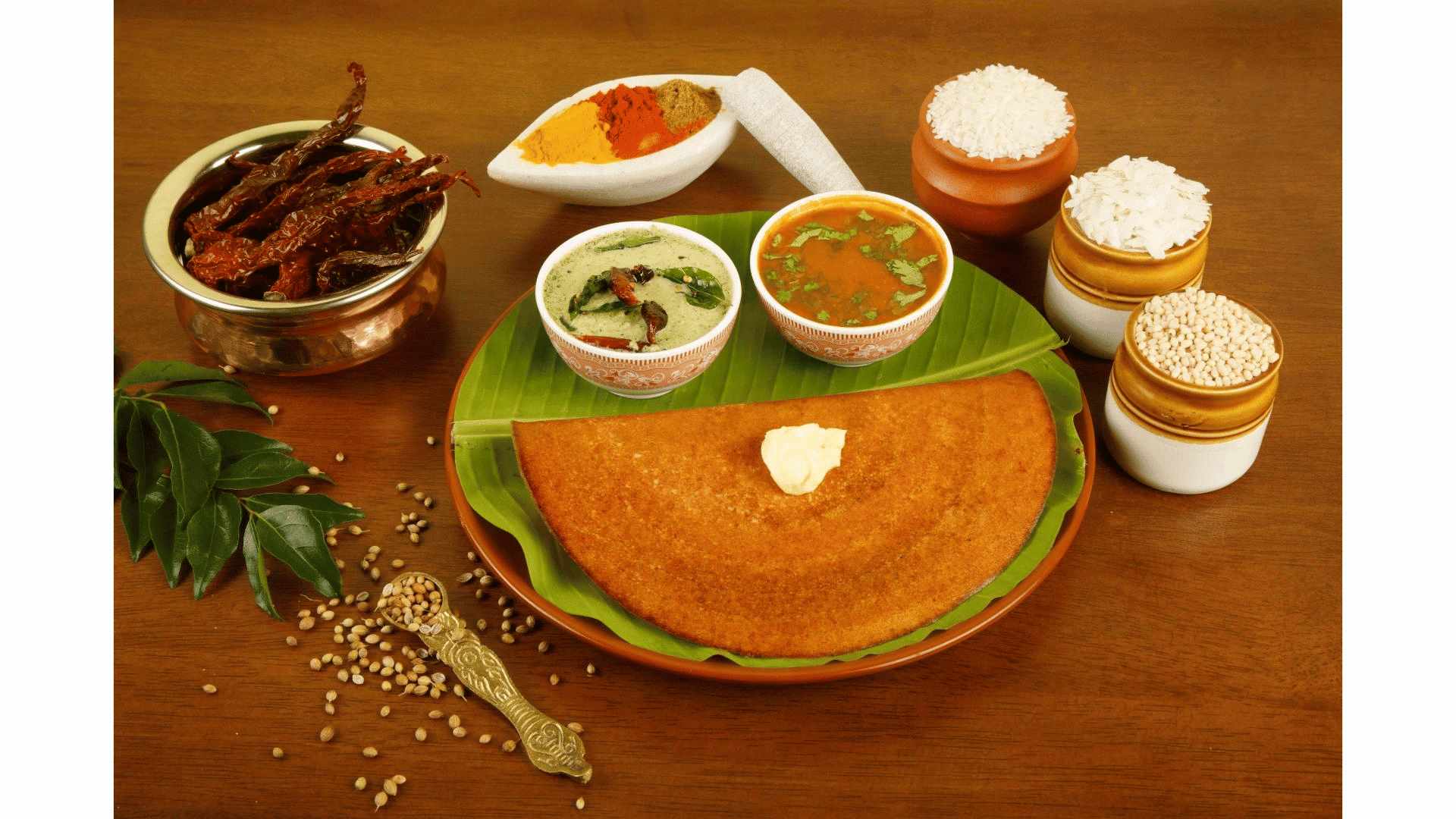
This is a variant of the Rave dosé but contains onion pieces and potato filling inside. Please note that we use only Indian cow ghee / butter for our dosé items.
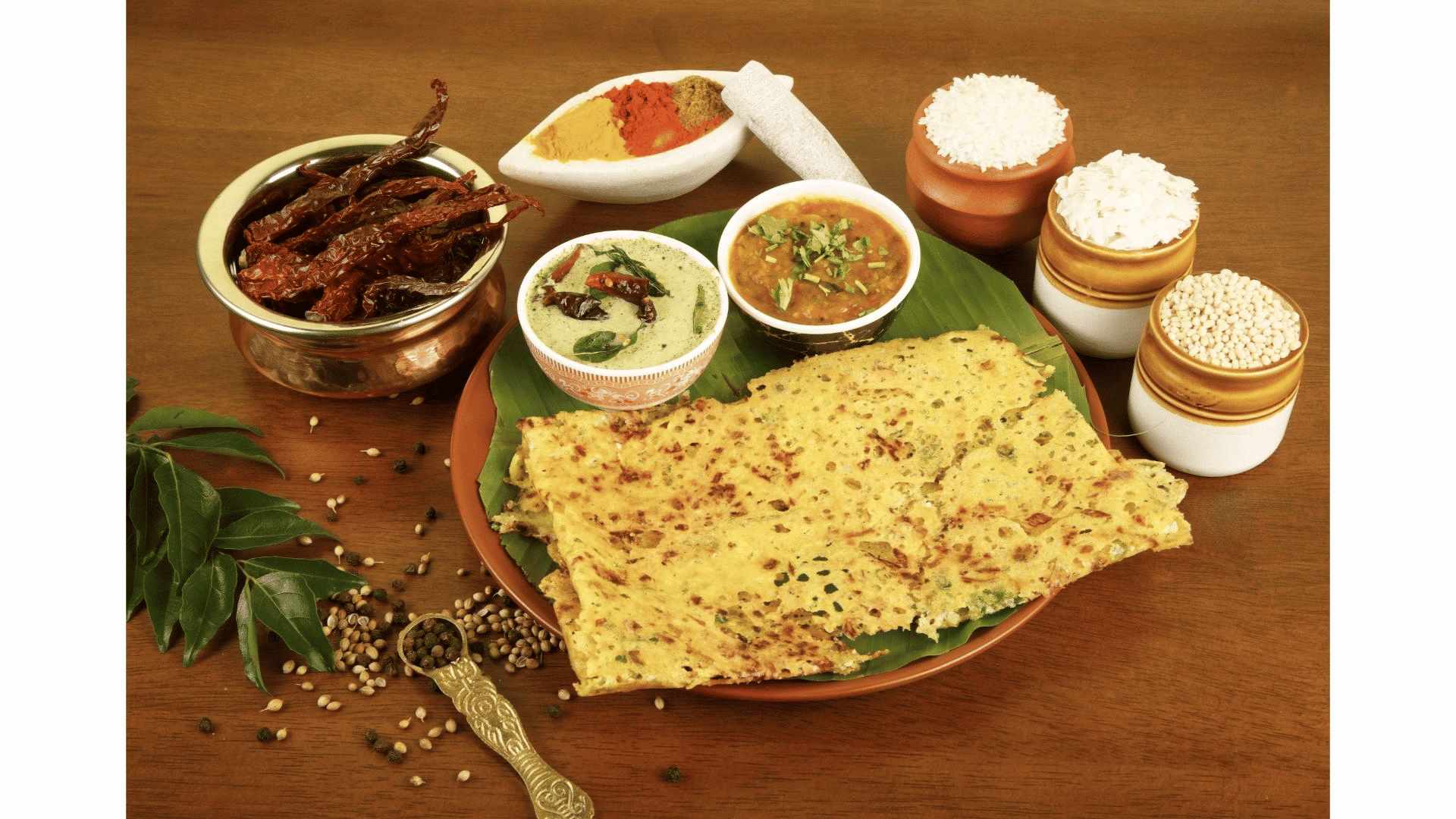
This is a variant of the thuppada dose but contains the potato filling inside.
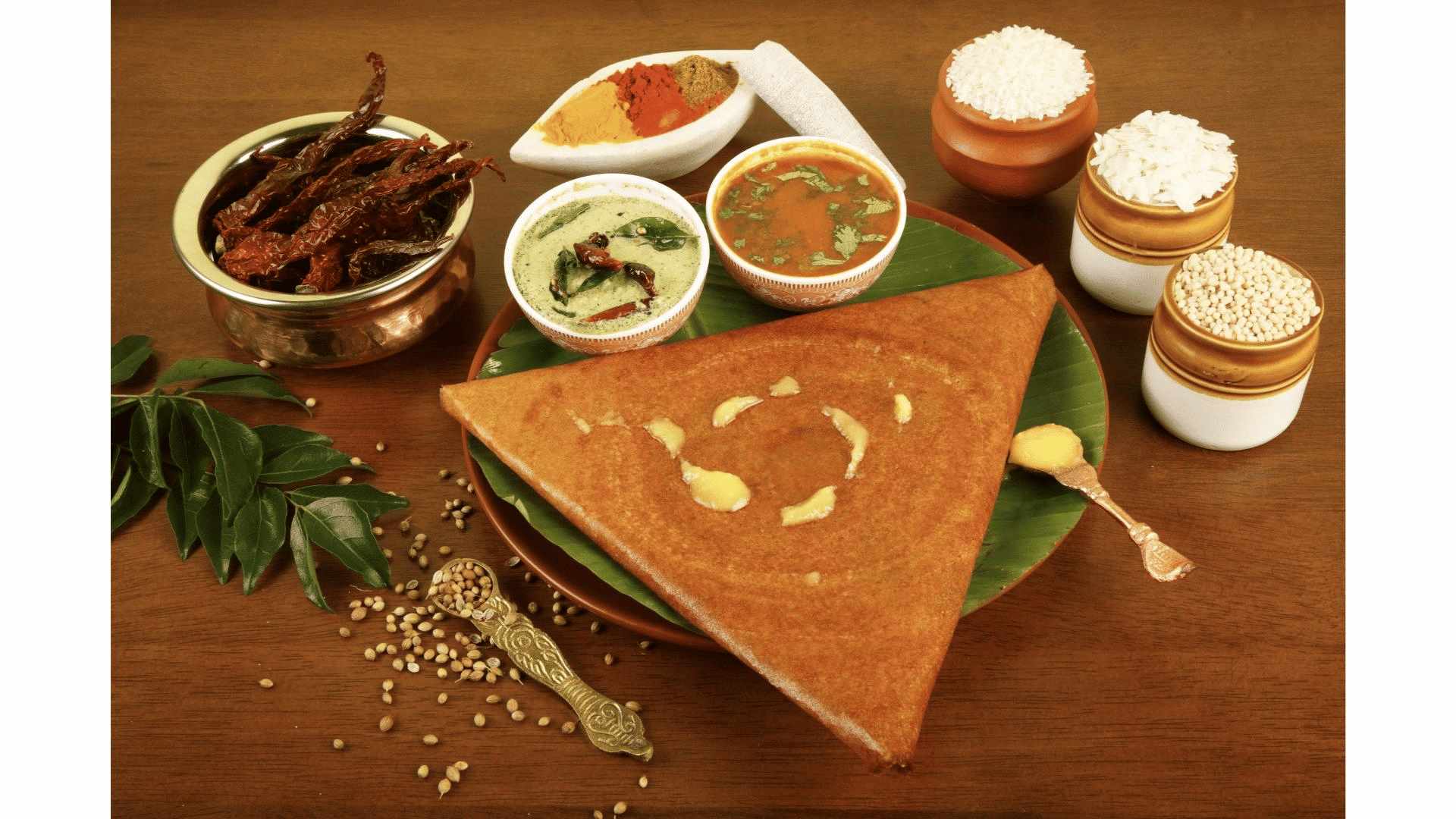
This is a variant of the Rave dosé and contains the potato filling inside. Please note that we use only Indian cow ghee / butter for our dosé items.
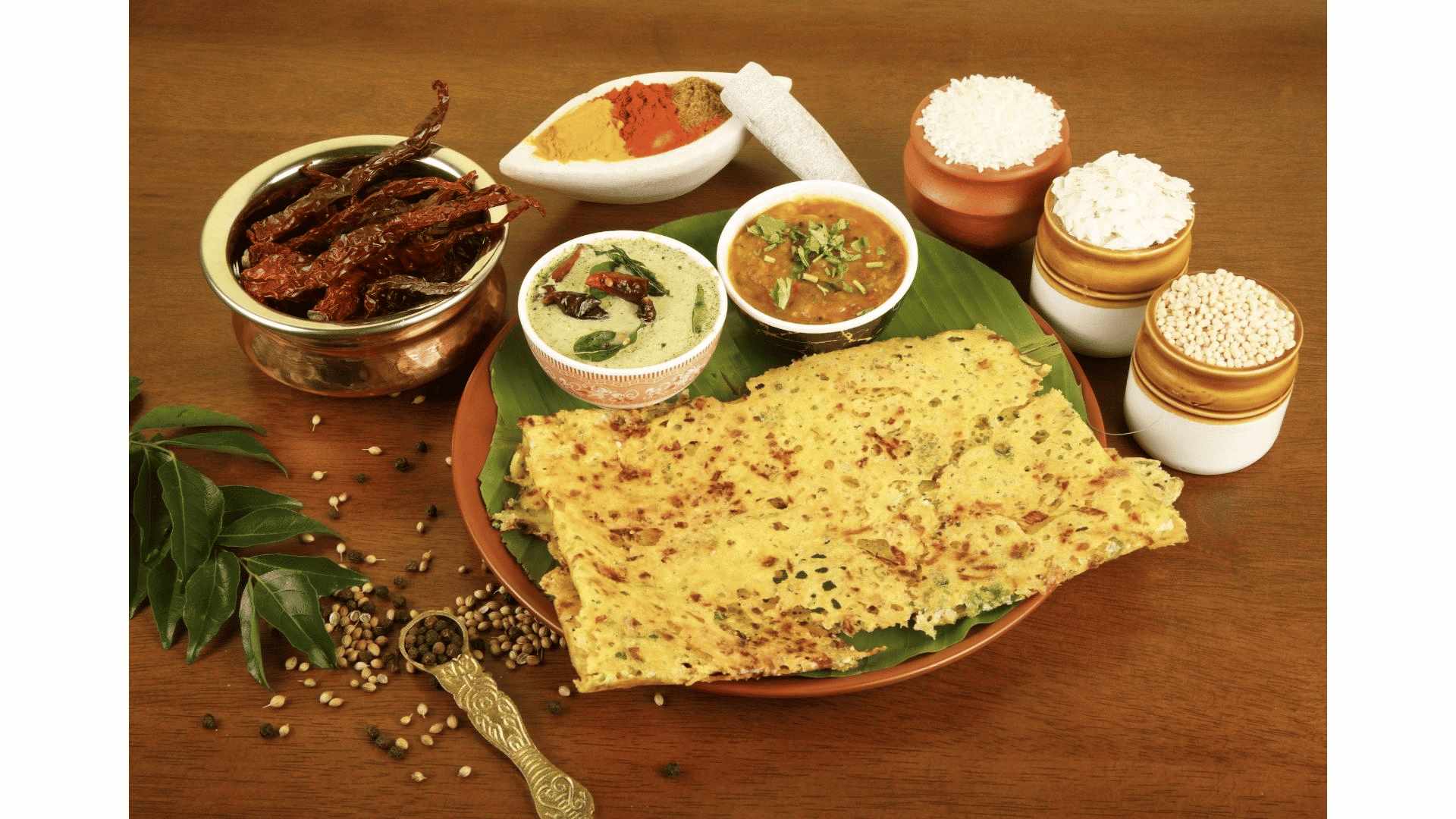
This type of dosé is similar to the beņņé dosé with the difference being that there is no potato filling inside. however it does have a coating of spicy powder (pudi). it contains salt and is served with chutney and Huļi (sambar). Please note that we use only Indian cow ghee / butter for our dosé items.
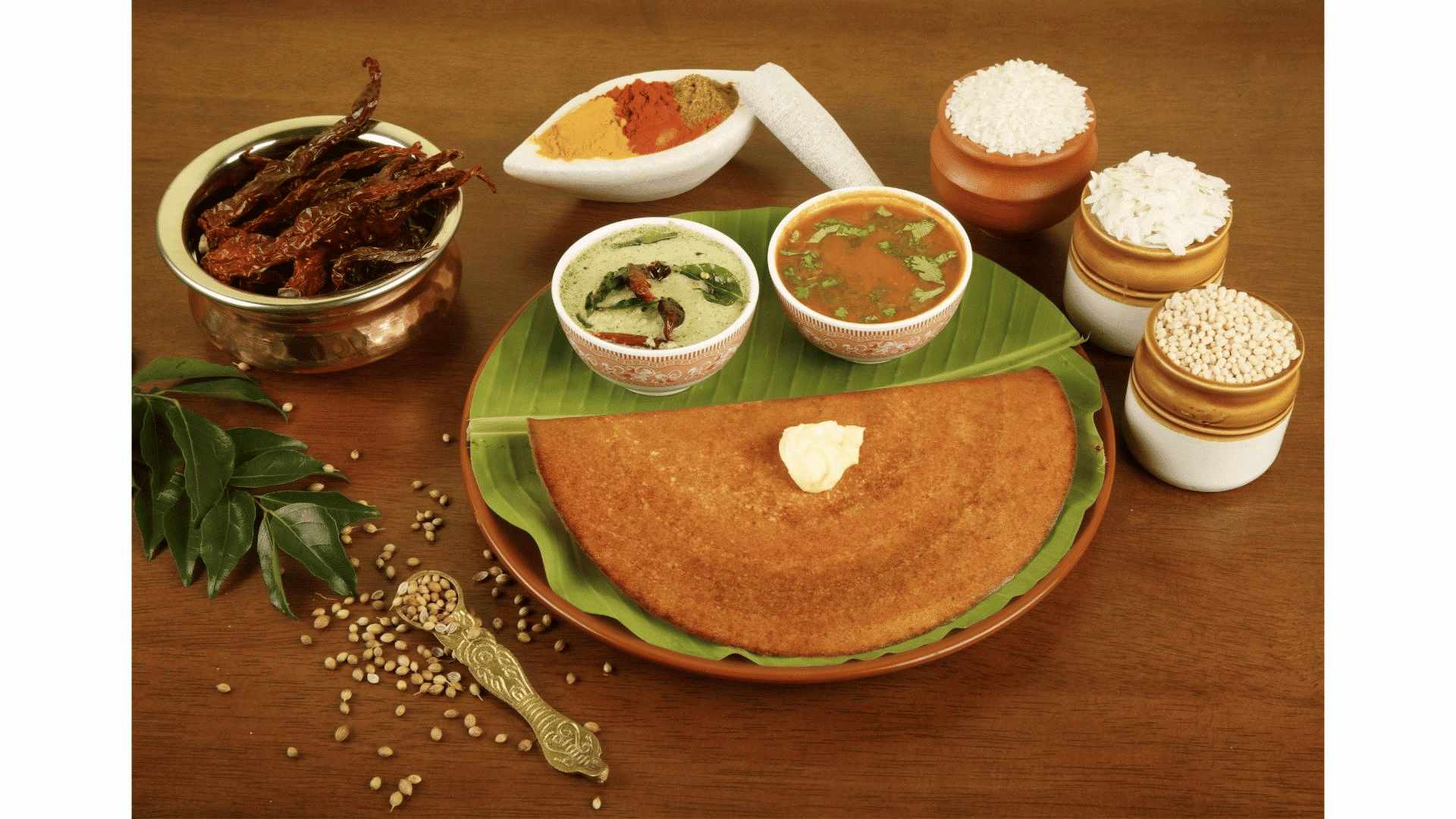
This is a variant of the Tomato Utthappa. Served with saagu and chutney. Please note that we use only Indian cow ghee / butter for our dosé items.
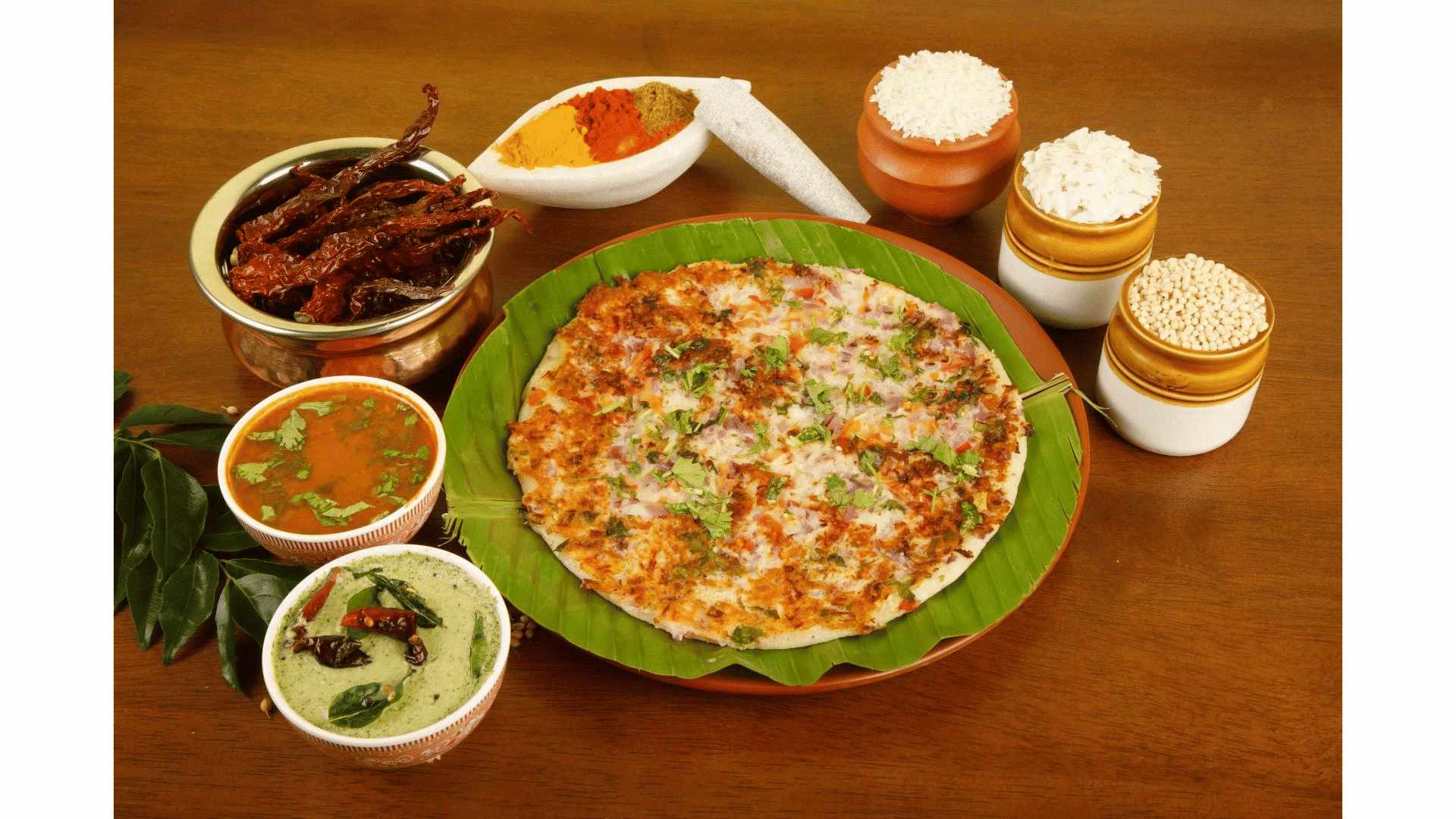
A unique flavoured dosé that can be tangy
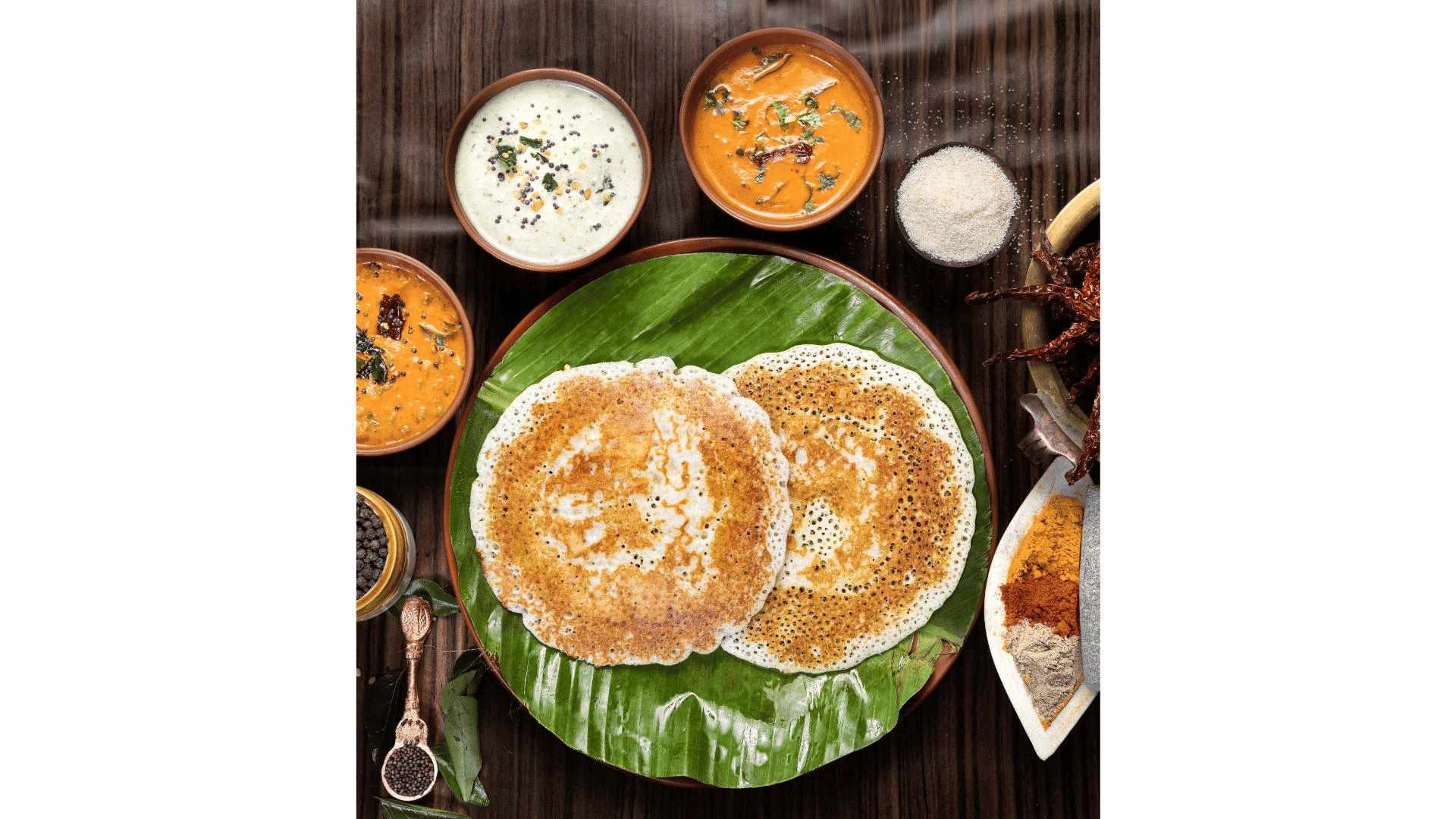
This is a variant of the Onion masalé dosé without the spicy masalé, but with the potato filling inside. Please note that we use only Indian cow ghee / butter for our dosé items.
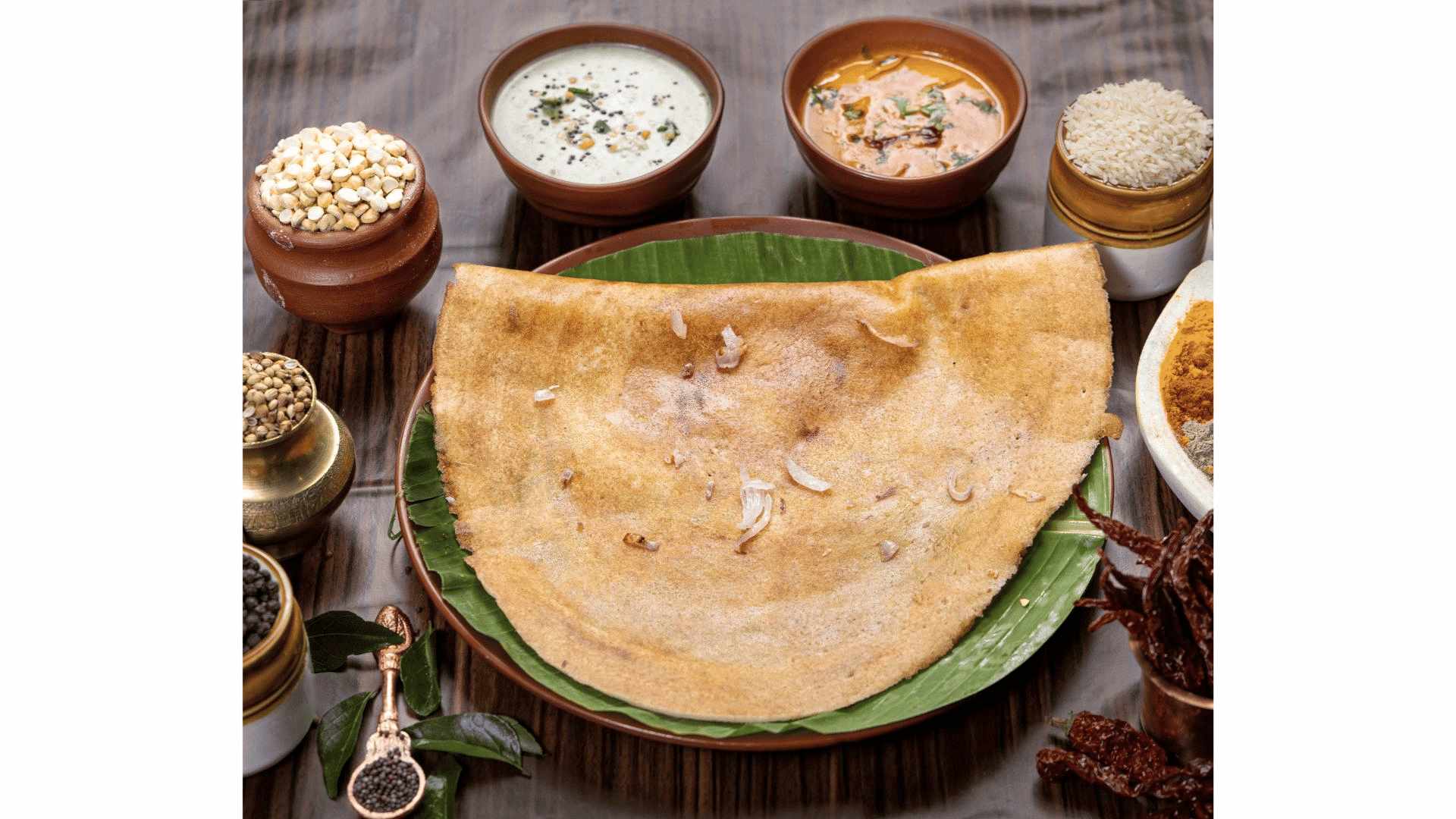
This is a type of dosé that is hard to make, but tasty. Can taste bland but is served with jaggery and chutney. Definitely unique to Karnataka!
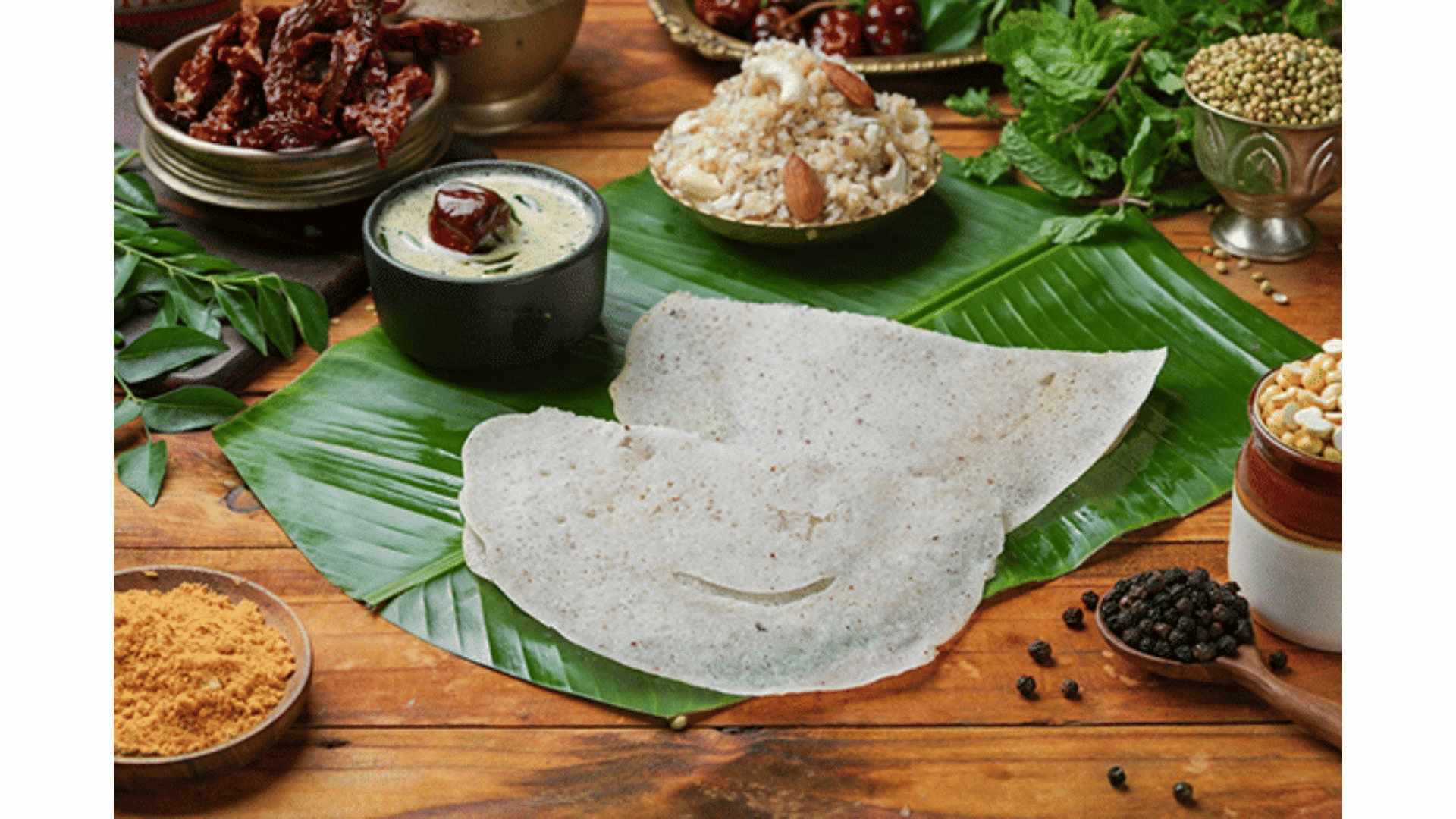
Semolina based dosé which is much thinner than the traditional dosé. Please note that we use only Indian cow ghee / butter for our dosé items.
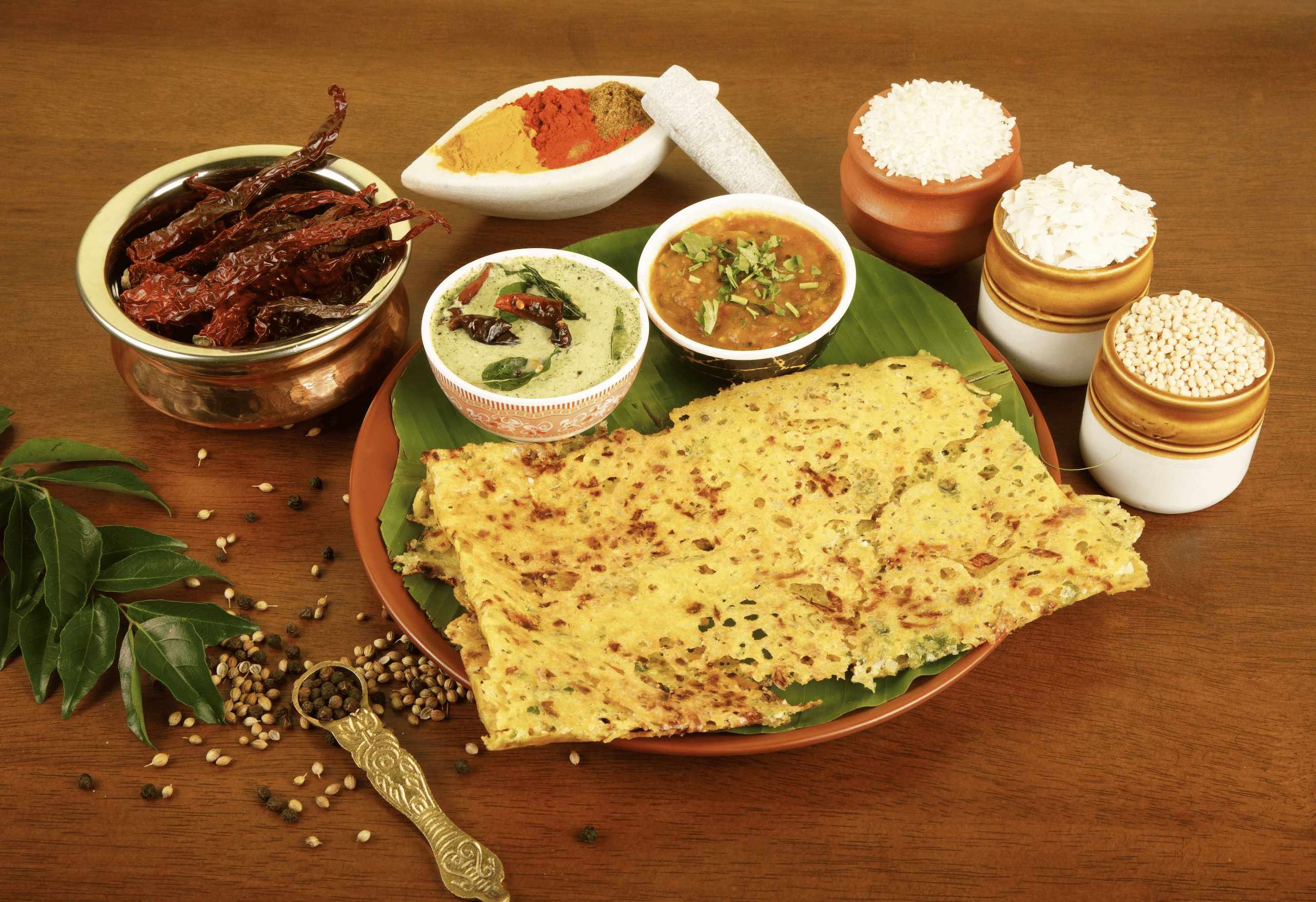
This is a variant of the Rave dosé but contains onion pieces inside. Please note that we use only Indian cow ghee / butter for our dosé items.
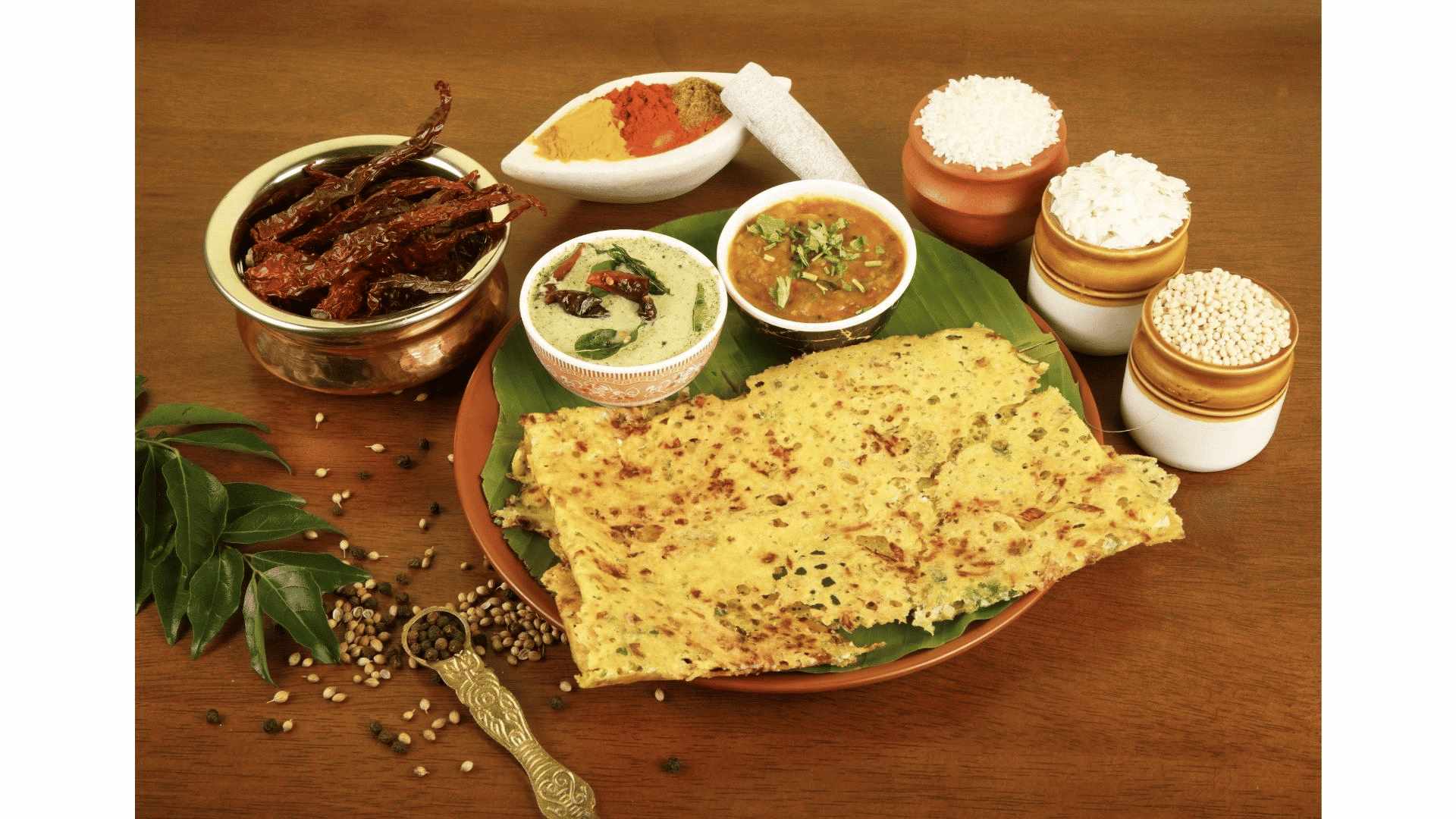
This is a variant of the masale dosé but with a coating of spicy powder. It is served with chutney and Huļi (sambar). Please note that we use only Indian cow ghee / butter for our dosé items.
This is a fluffy dosé similar to the set dosé but contains vegetables, similar to a pizza. It does not contain potato filling or sambar but with sagu.
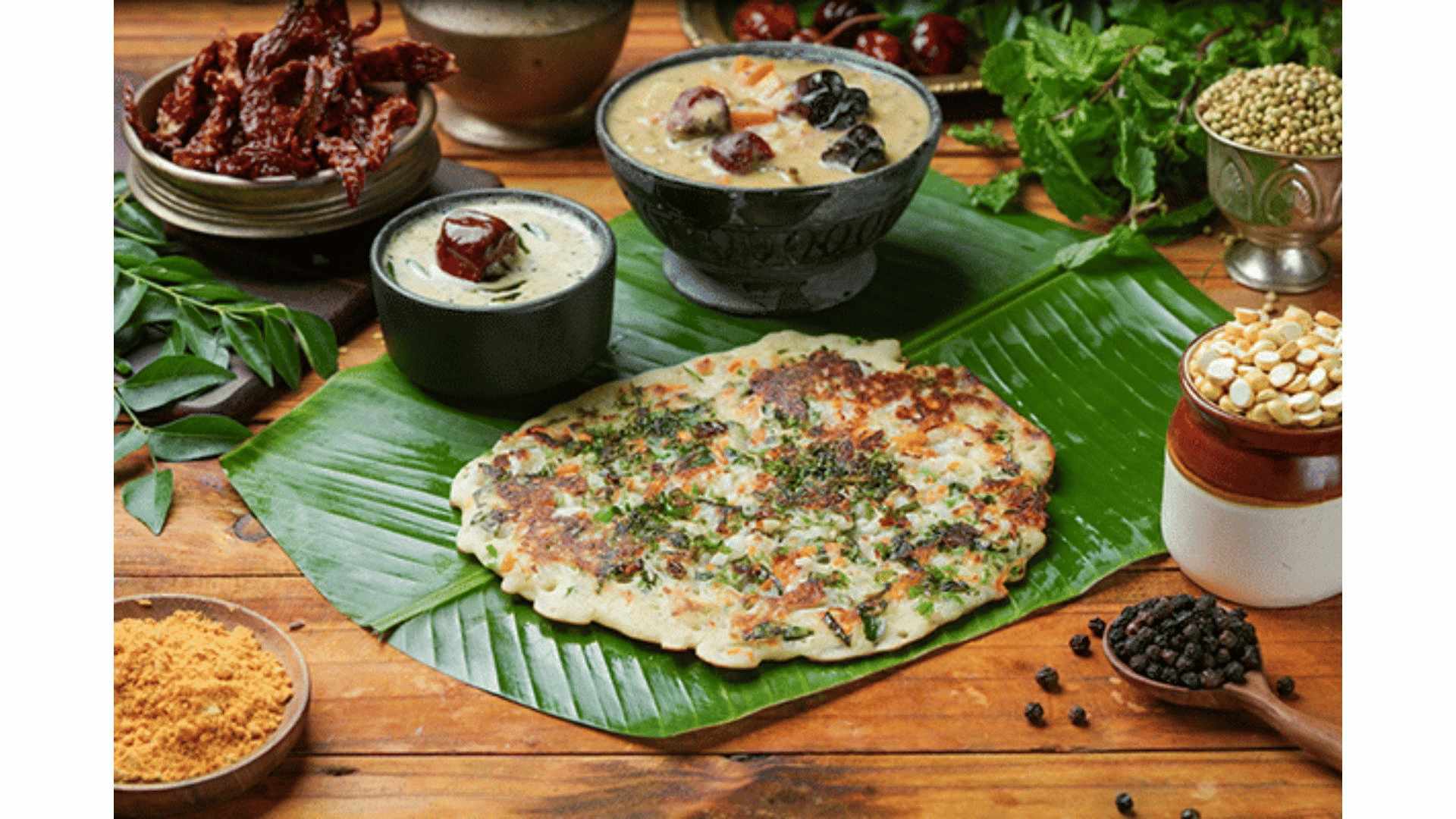
A variant of masalé dose but thicker (thin crust pizza thickness). It comes as a set of 3 pieces (hence the name) and is served with chutney and saagu. Please note that we use only Indian cow ghee / butter for our dose items.
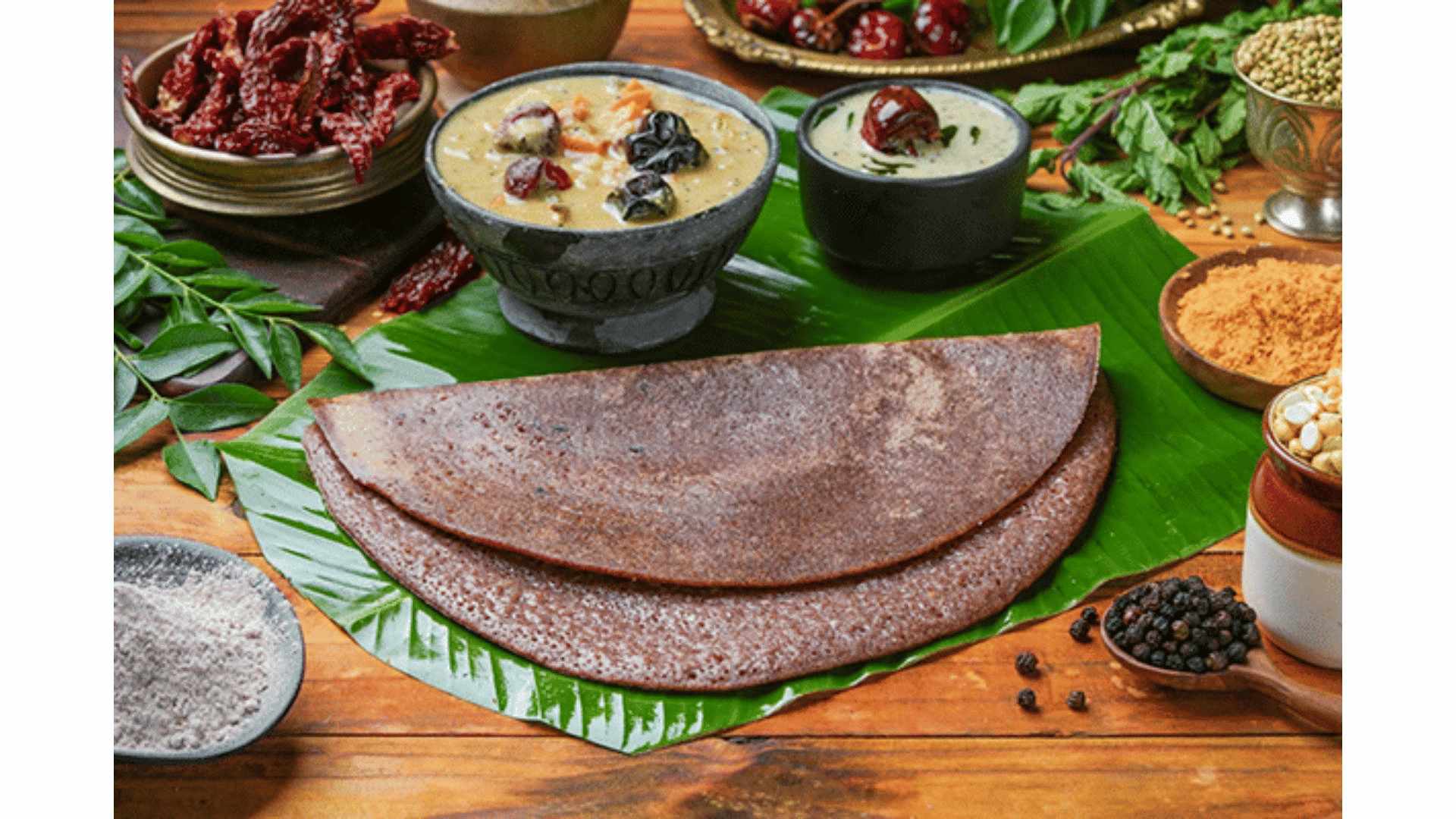
A healthier version of dosé made from fingermillet
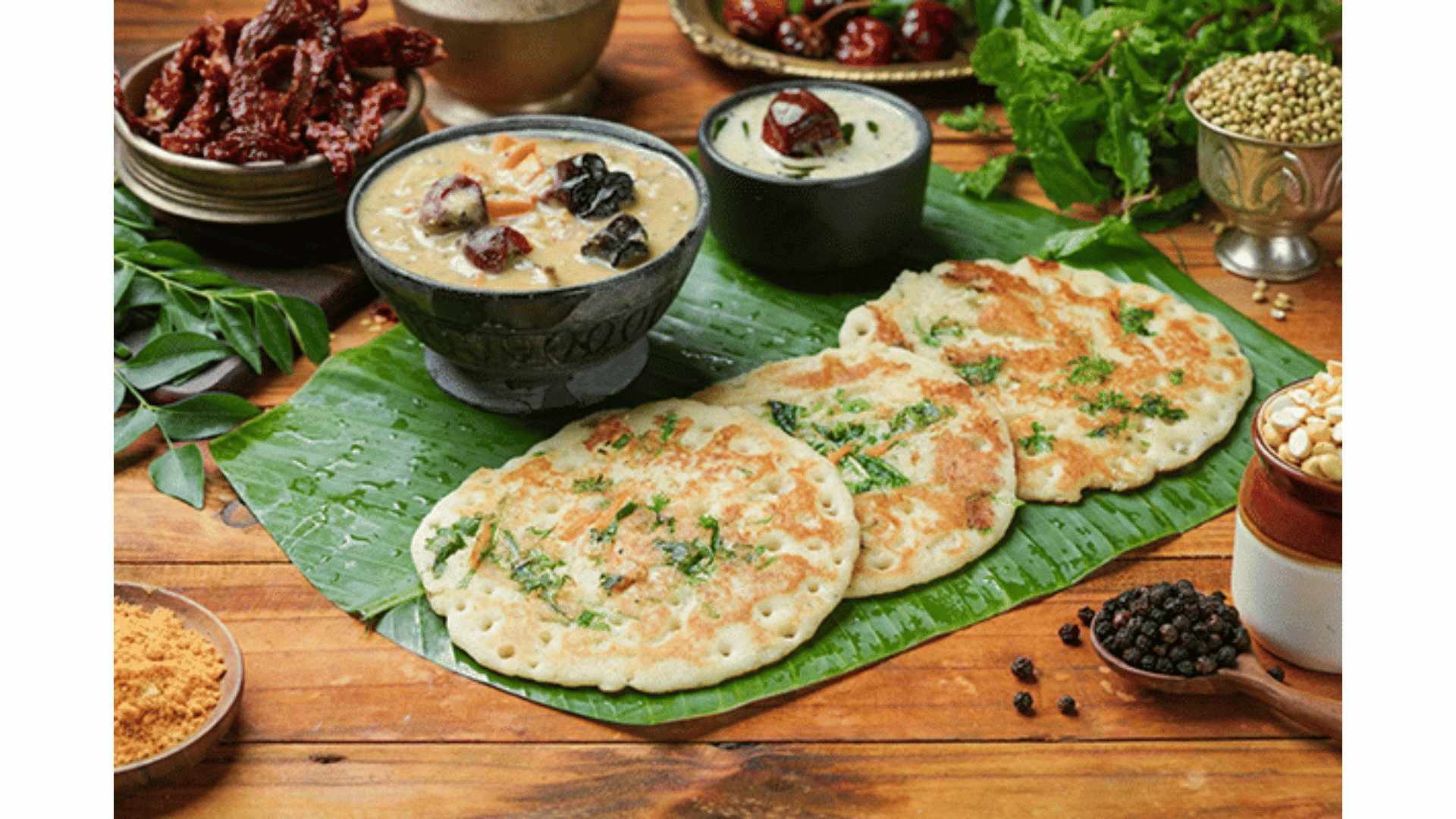
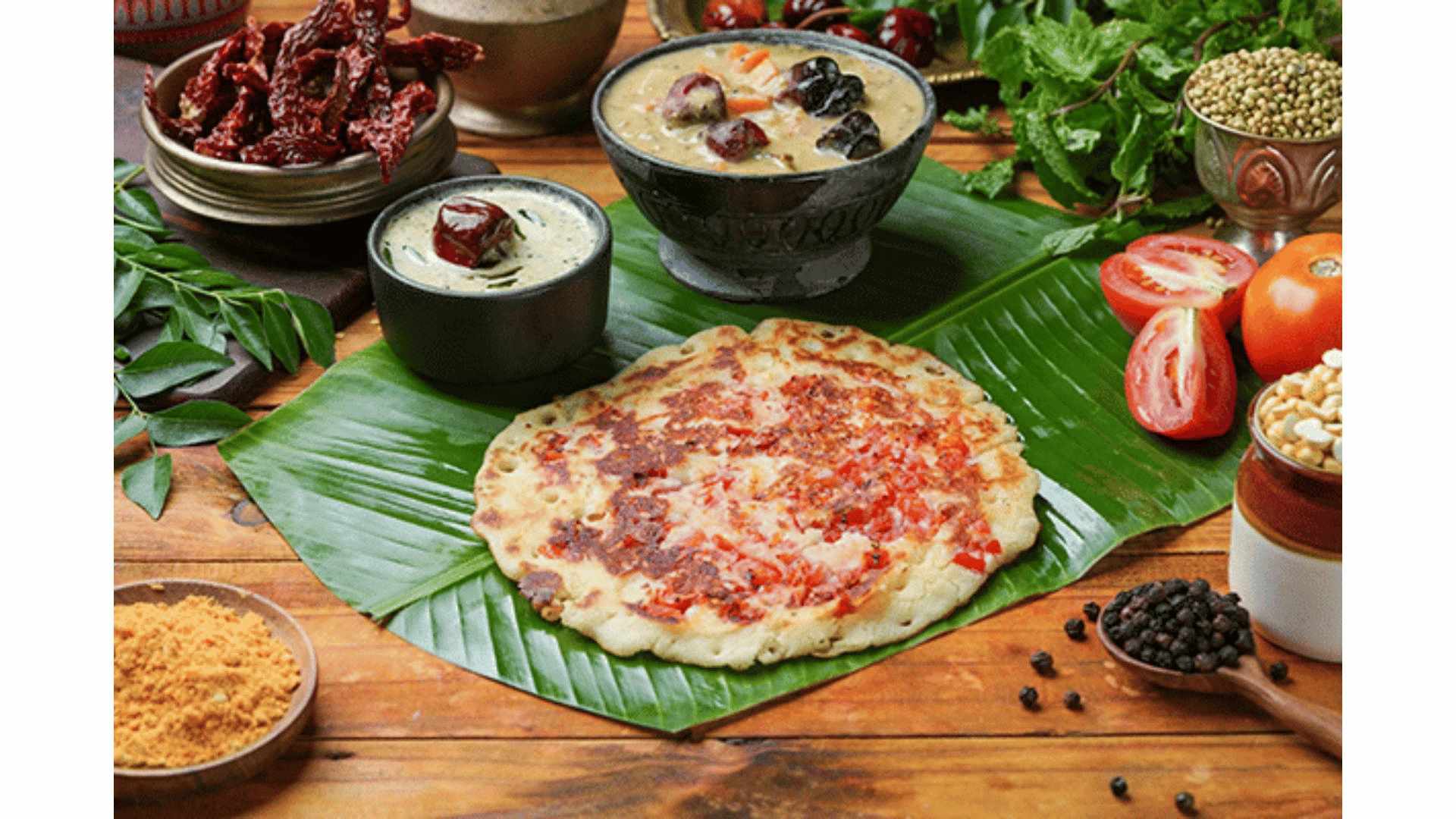
This type of dosé is fluffy and made with tomatoes mixed with the batter. Served with saagu and chutney. Please note that we use only Indian cow ghee / butter for our dosé items.
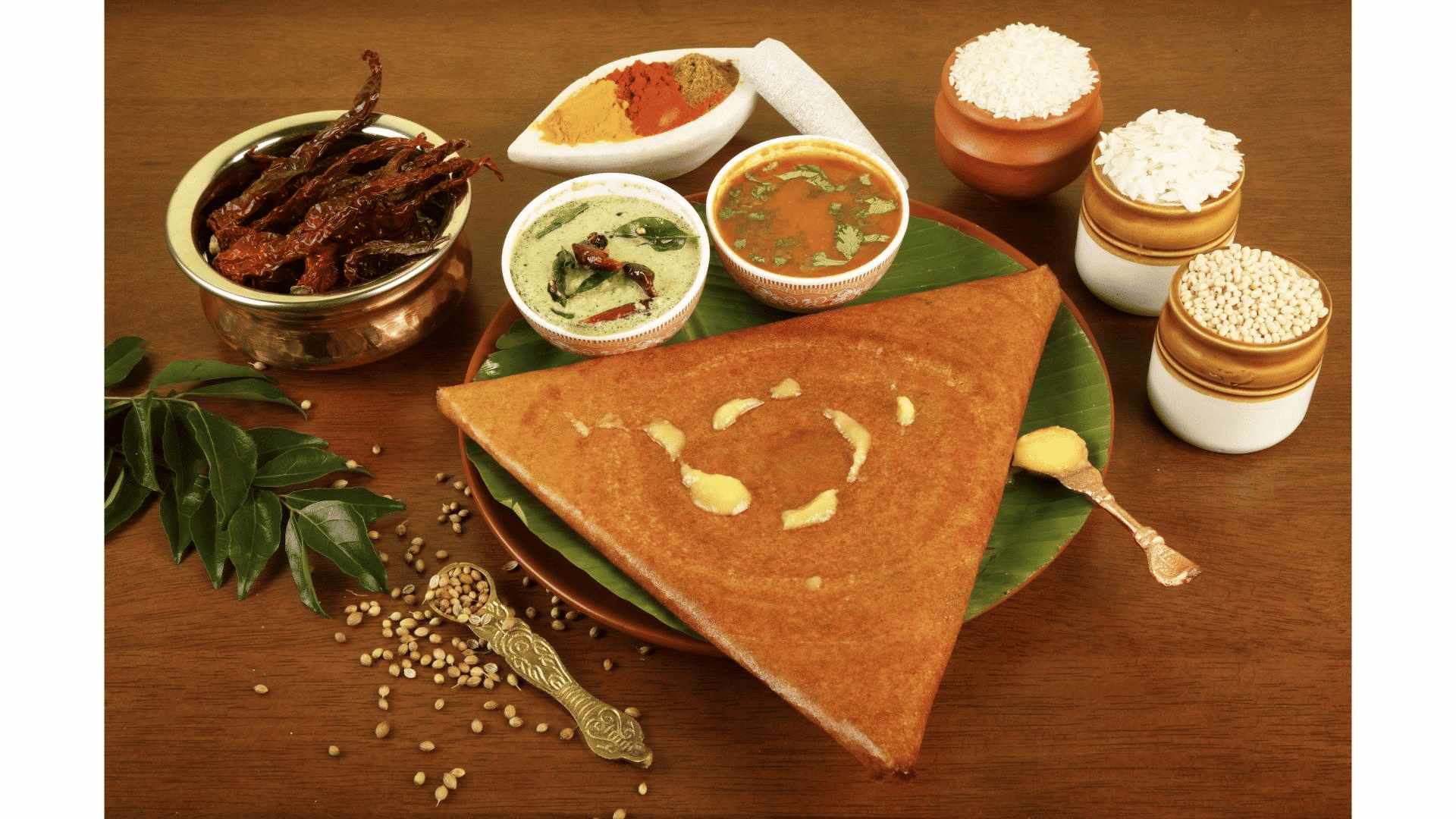
Thuppa means ghee in kannada. This type of dose is not spicy normally and is normally selected by parents for their children. Please note that we use only Indian cow ghee / butter for our dose items.
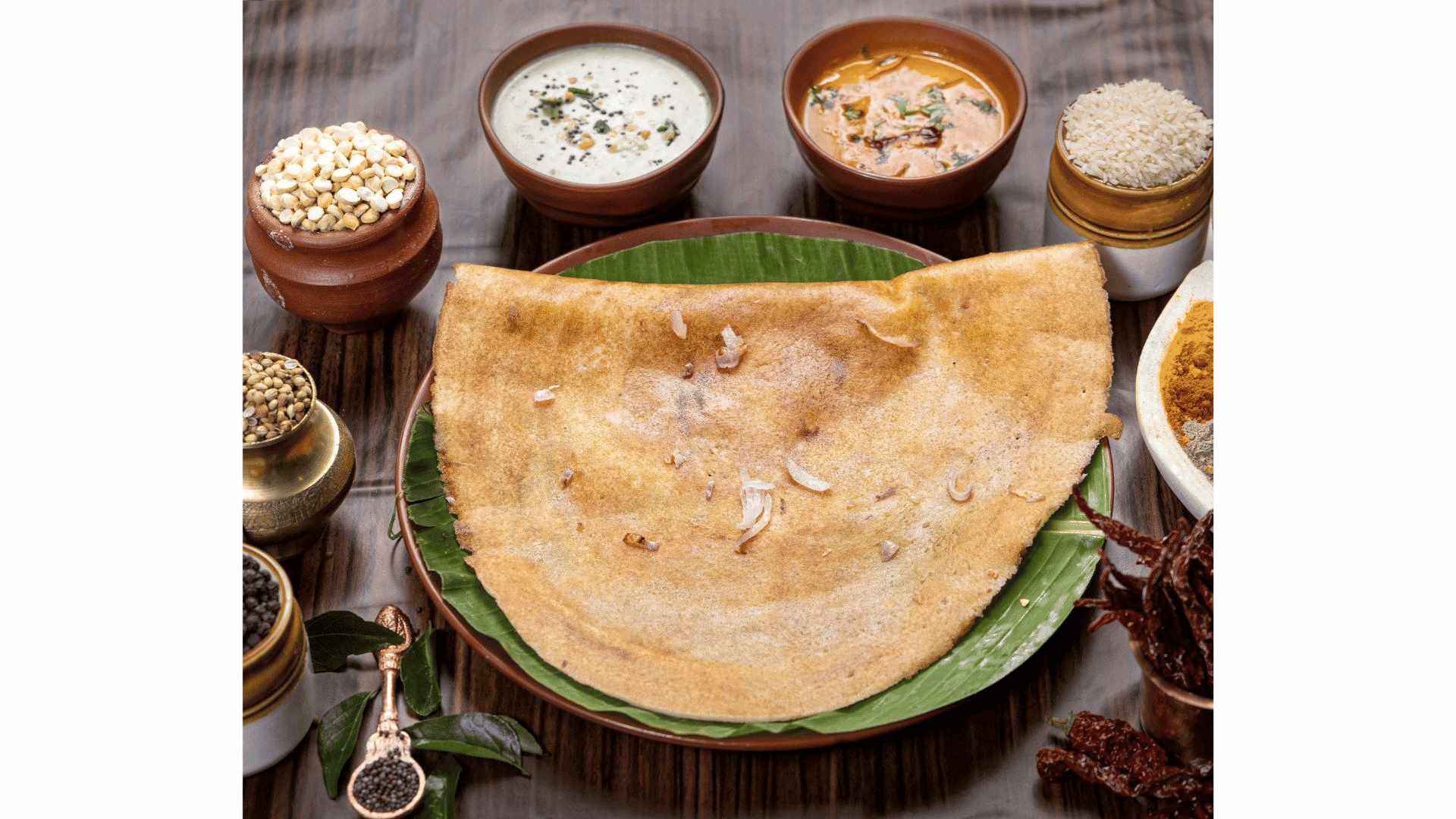
This is a variant of the Onion masalé dosé but without the spicy masalé or potato filling inside. Please note that we use only Indian cow ghee / butter for our dosé items.
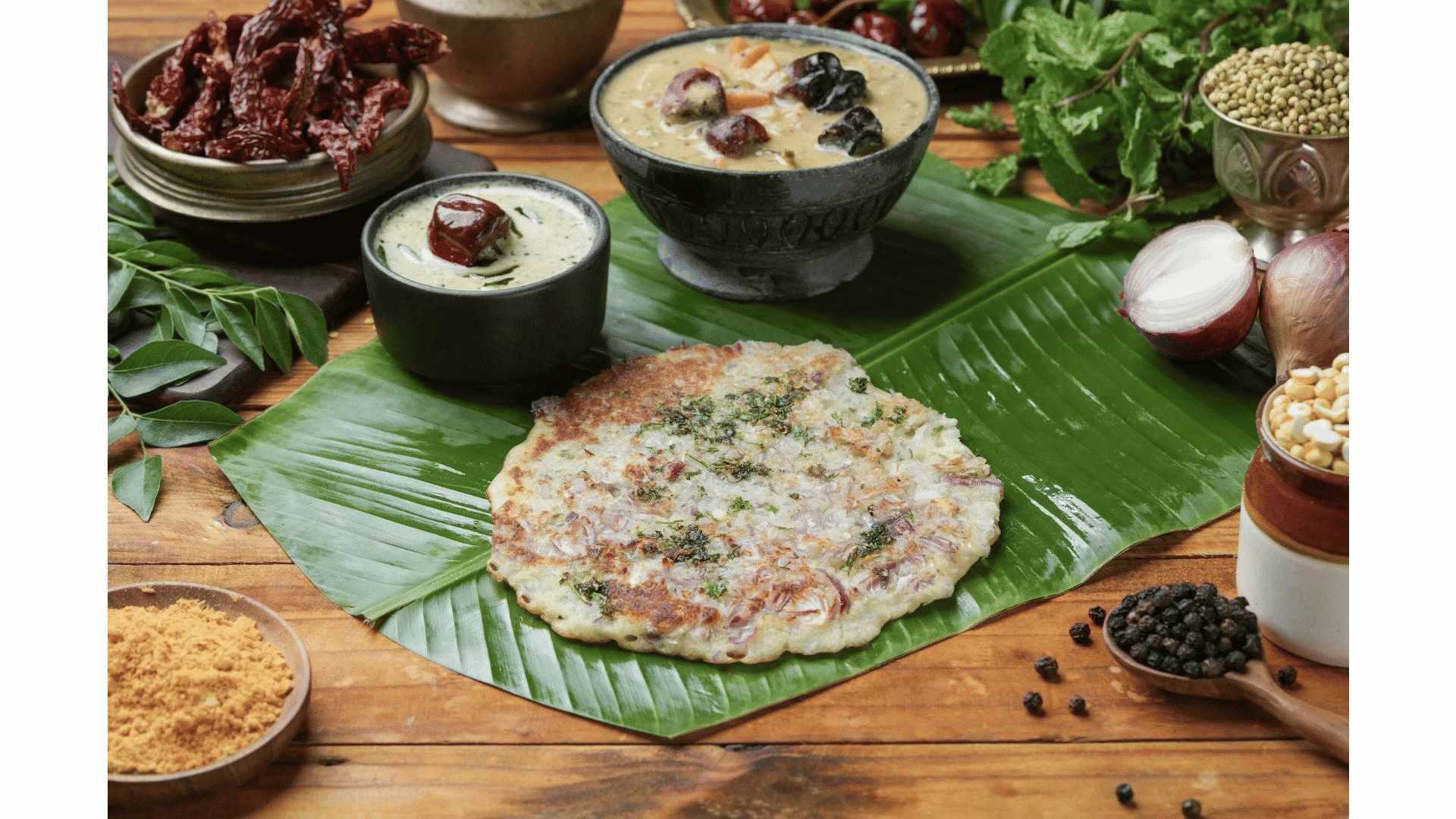
This type of dosé is fluffy and similar to the Set dosé, but the onion is mixed into the batter. Served with saagu and chutney. Please note that we use only Indian cow ghee / butter for our dosé items.
A specific type of dosé that is served without closing at the middle when served on a plate and therefore the name! Please note that we use only Indian cow ghee / butter for our dosé items.
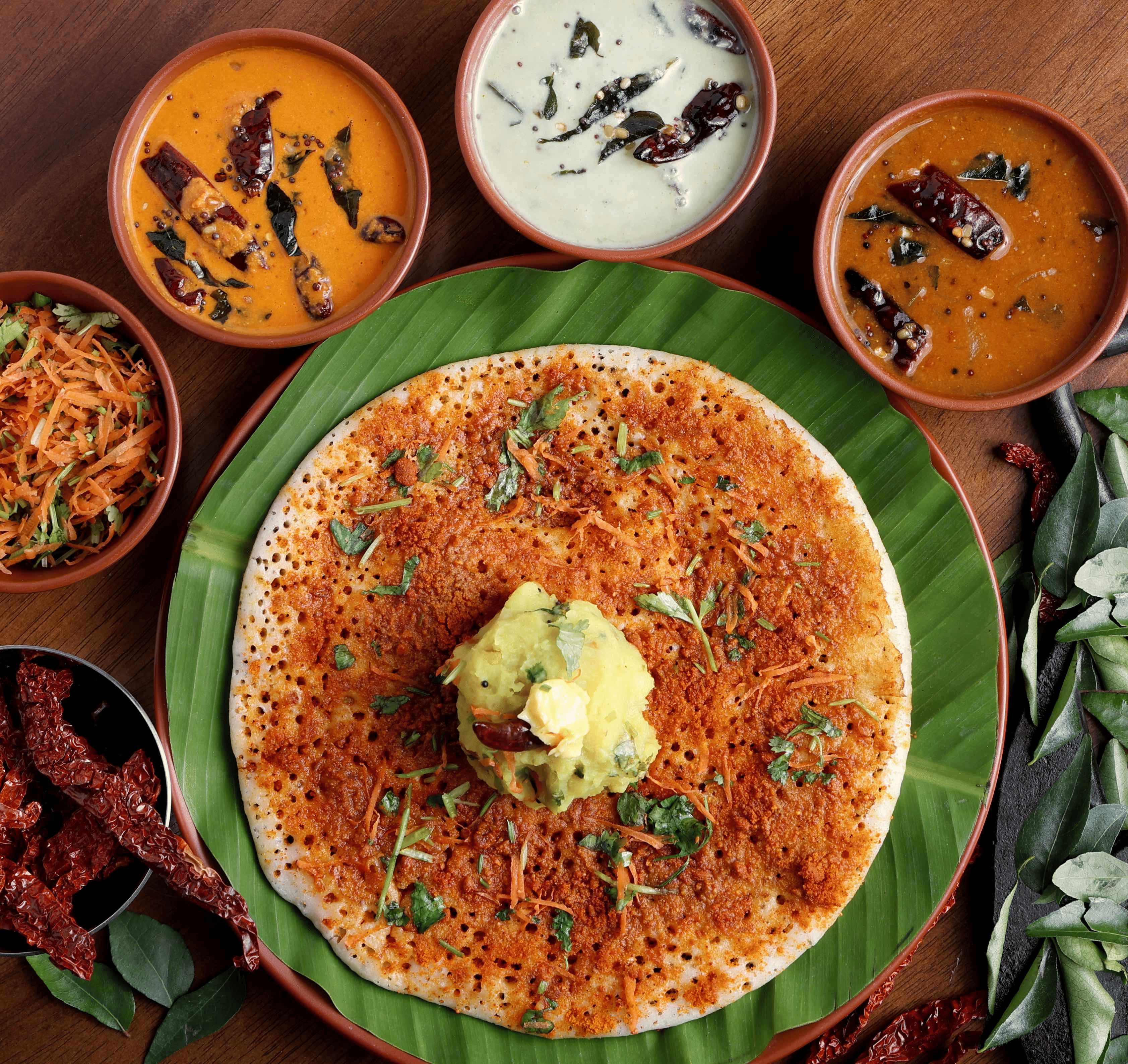
A healthier version of dosé made from wheat
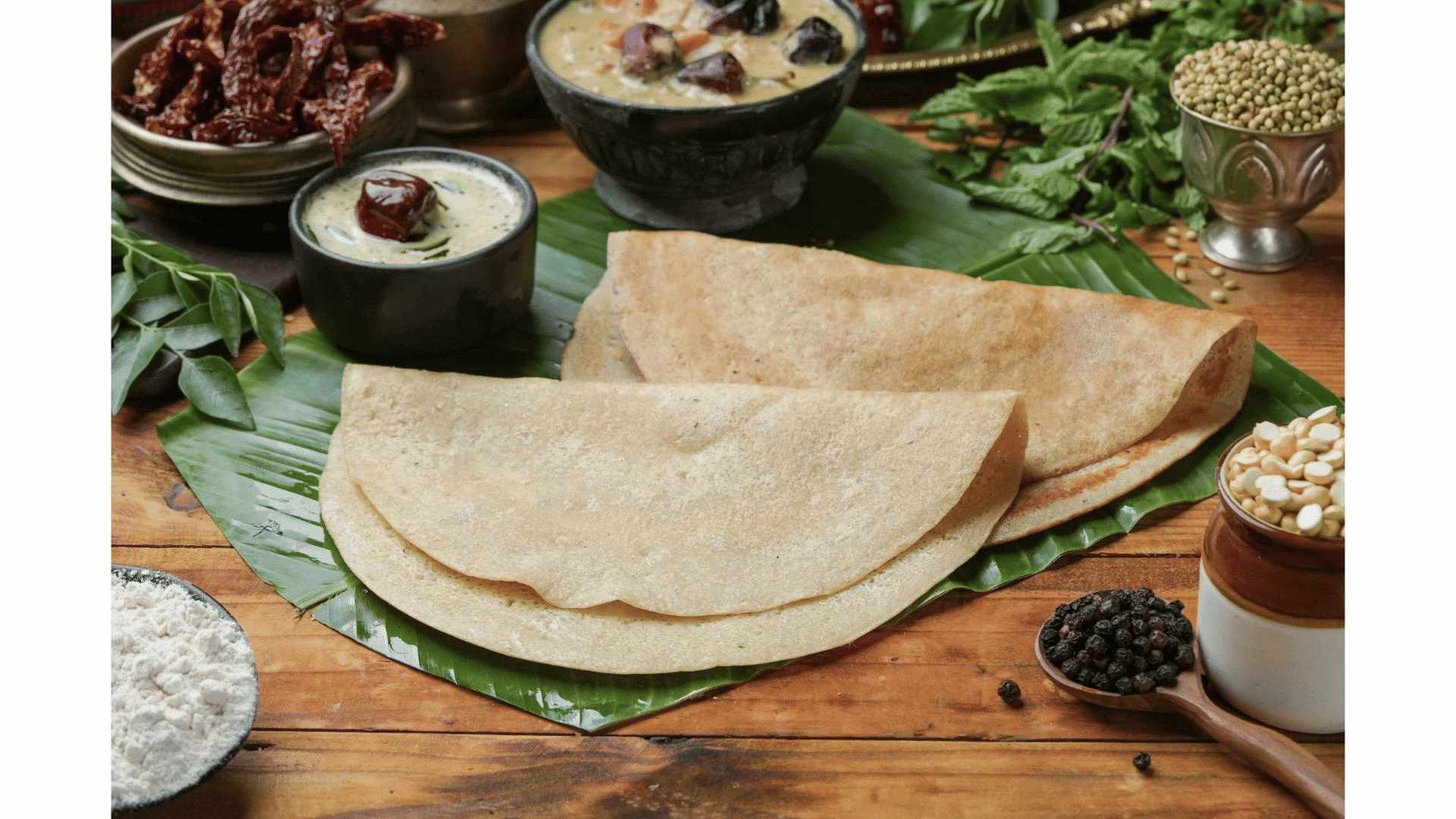
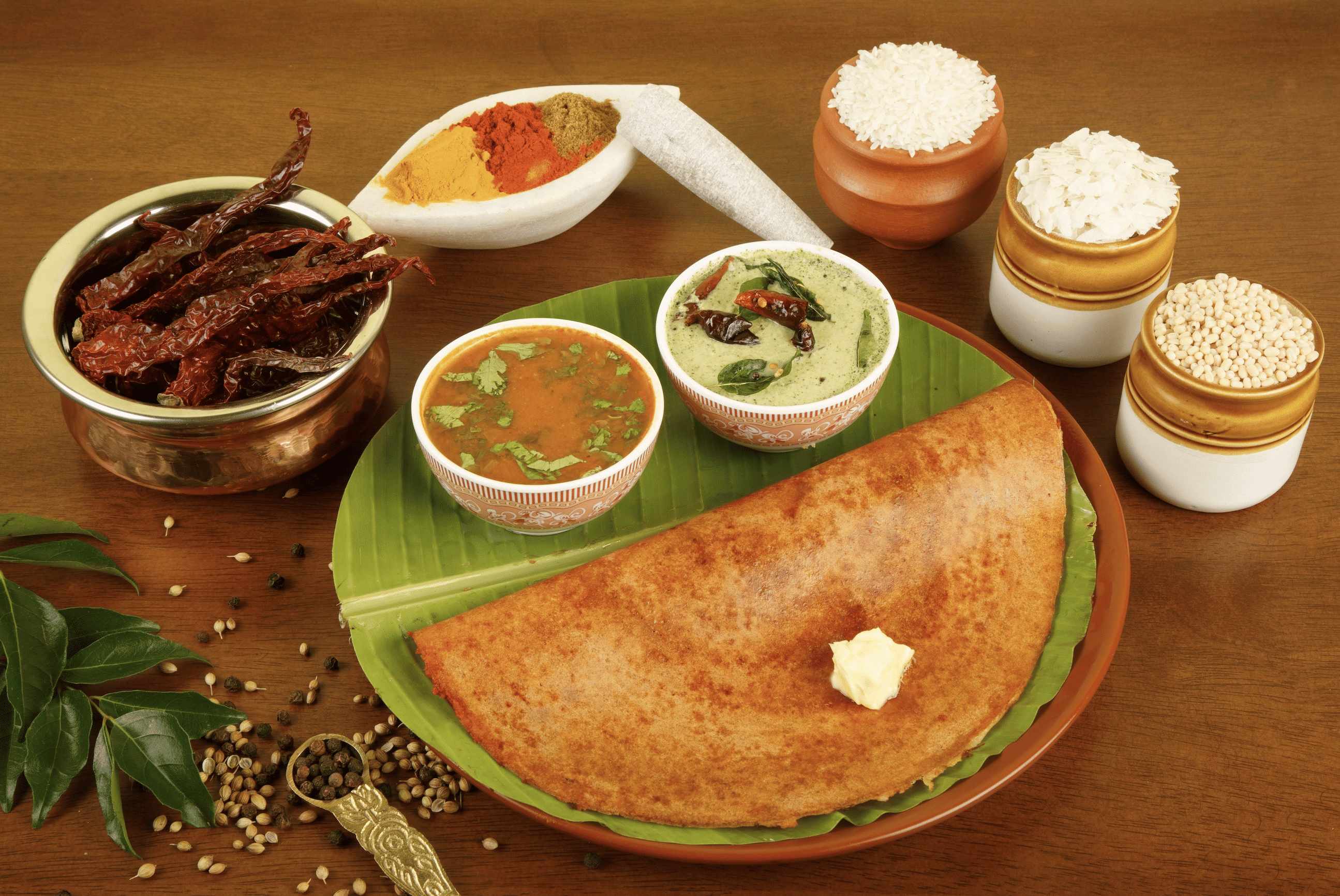
Masale refers to a combination of spices made into a paste. Dose is similar to crepe but without the eggs. Made with potato filling inside the dose. Served with chutney and sambar. Please note that we use only Indian cow ghee / butter for our dose items.
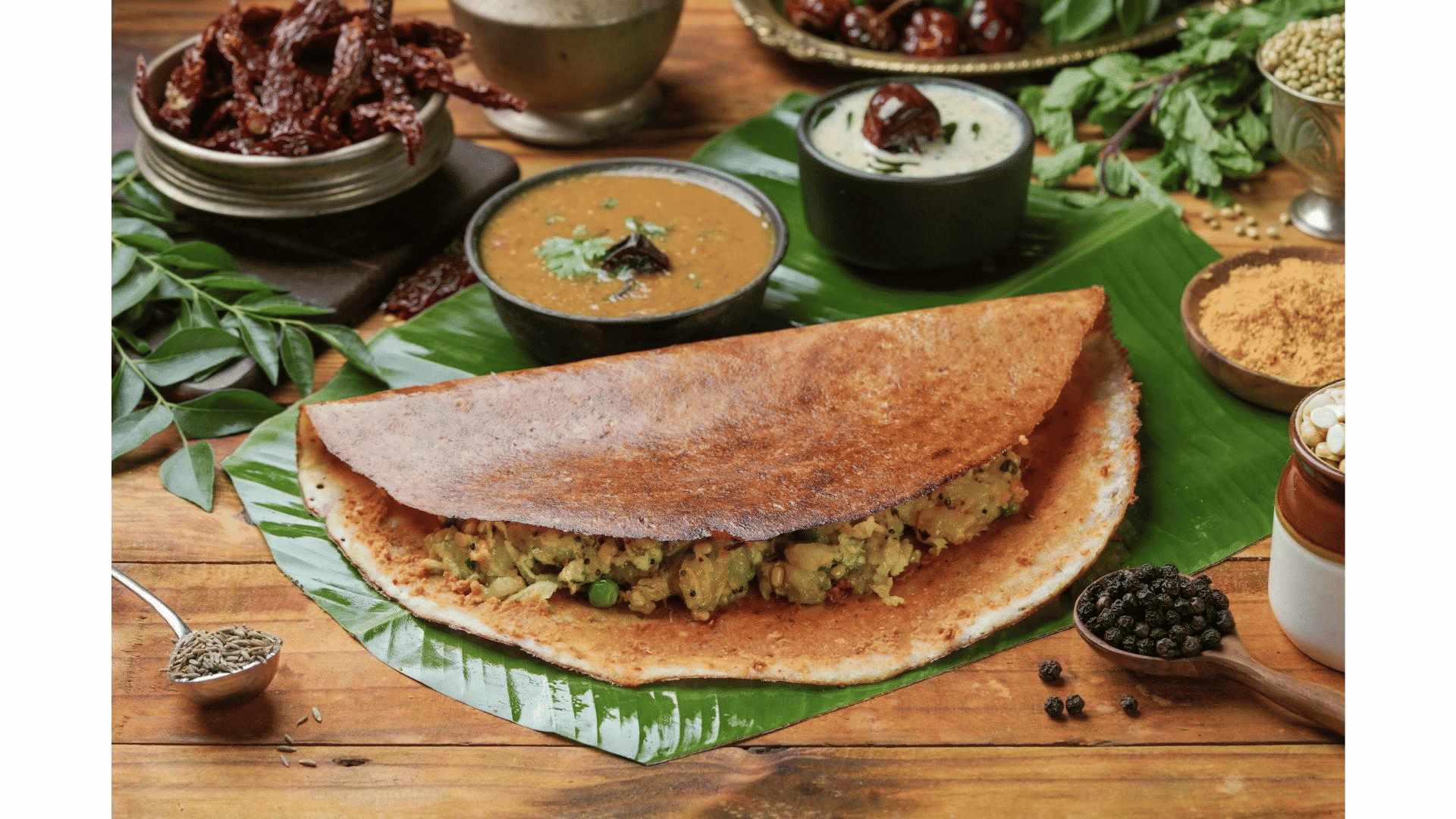
Also called ķhaali dosé in Karnataka
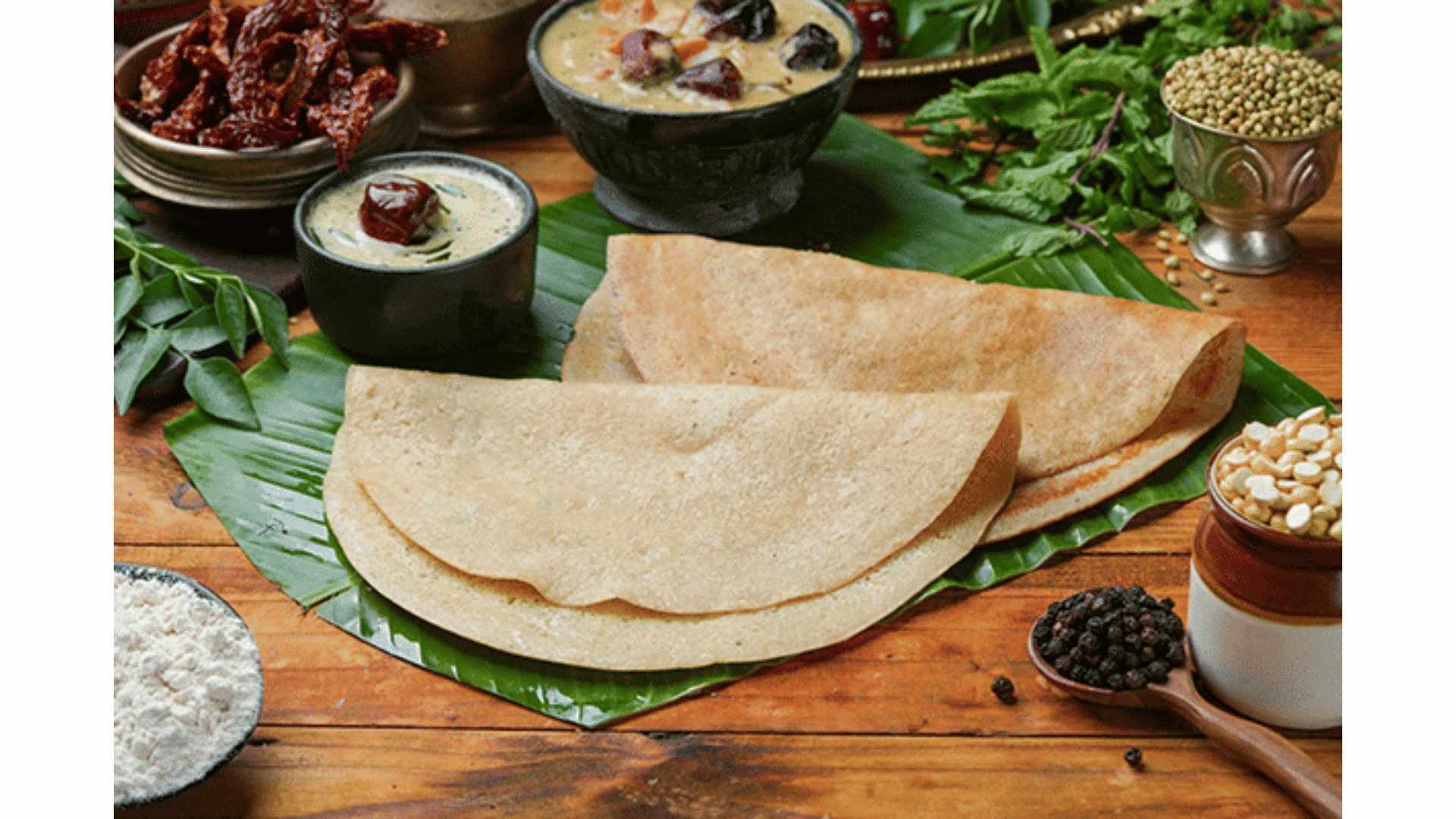
Masale refers to a combination of spices made into a paste. dosé is similar to crepe but without the eggs. Made with potato filling inside the dosé. Served with chutney and sambar. Please note that we use only Indian cow ghee / butter for our dosé items.
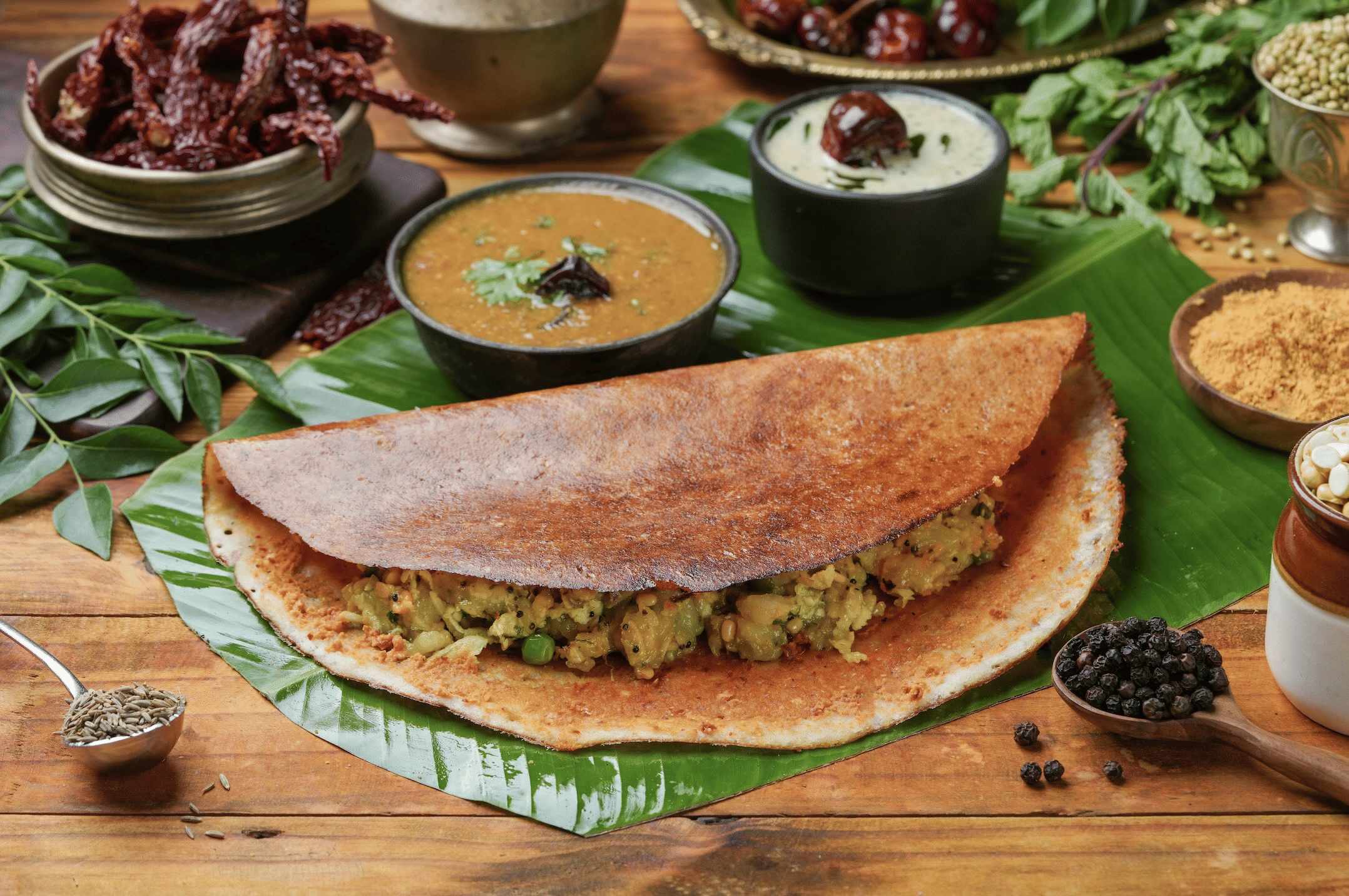
Simple plain dosé without the potato filling or the spice powder. Served with chutney and sambar.
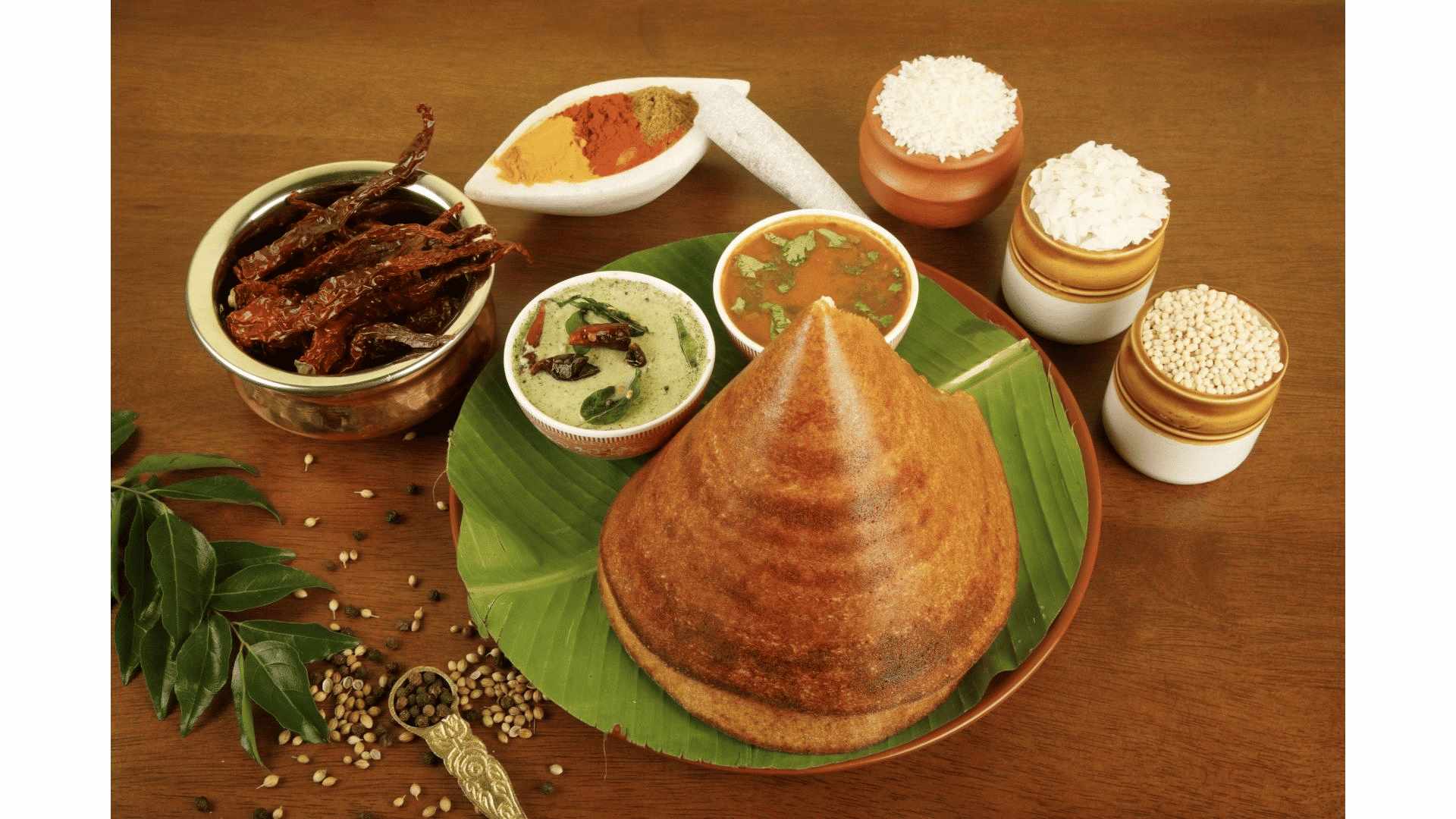
Same as the regular plain dosé but smaller.
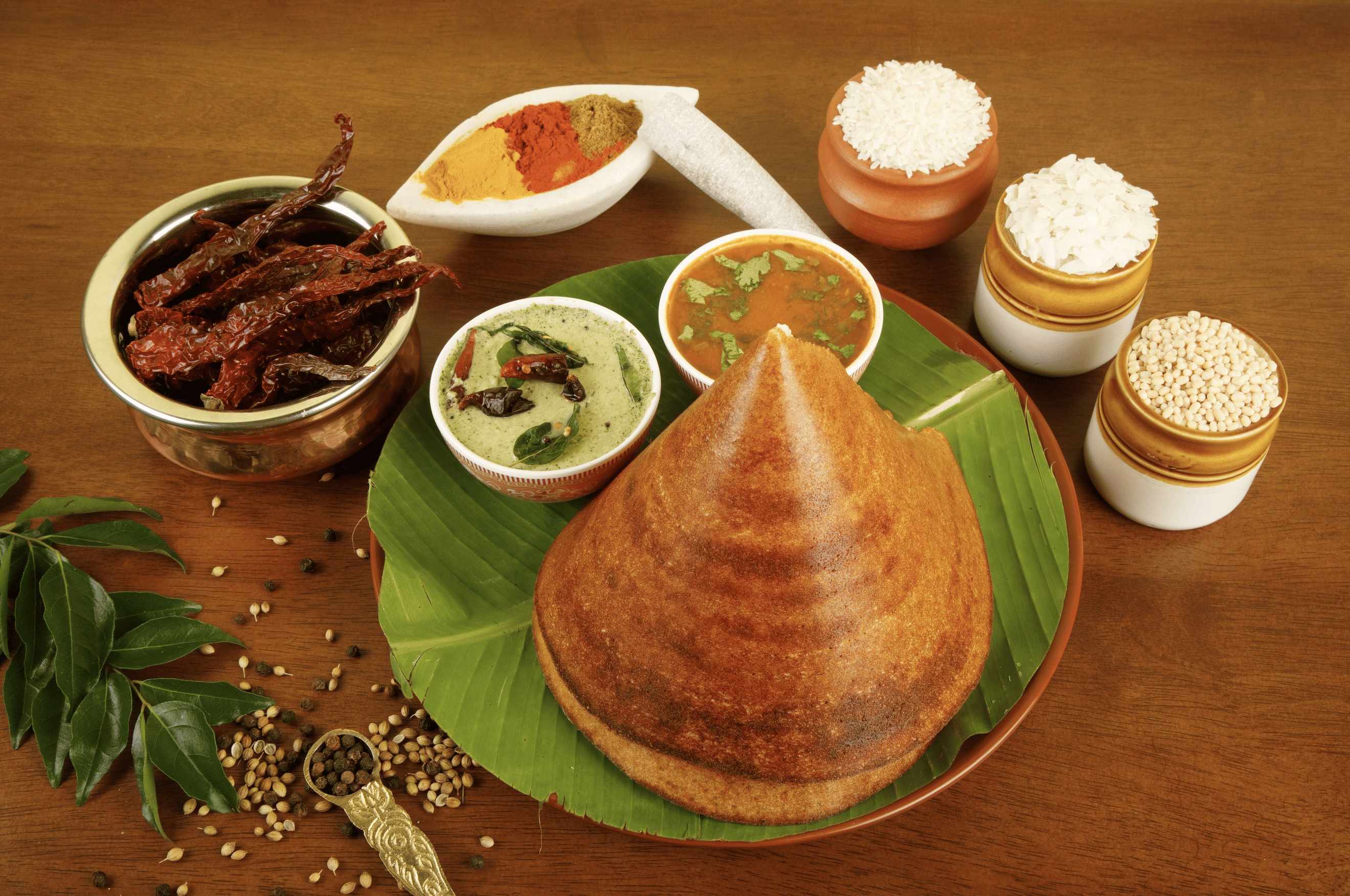
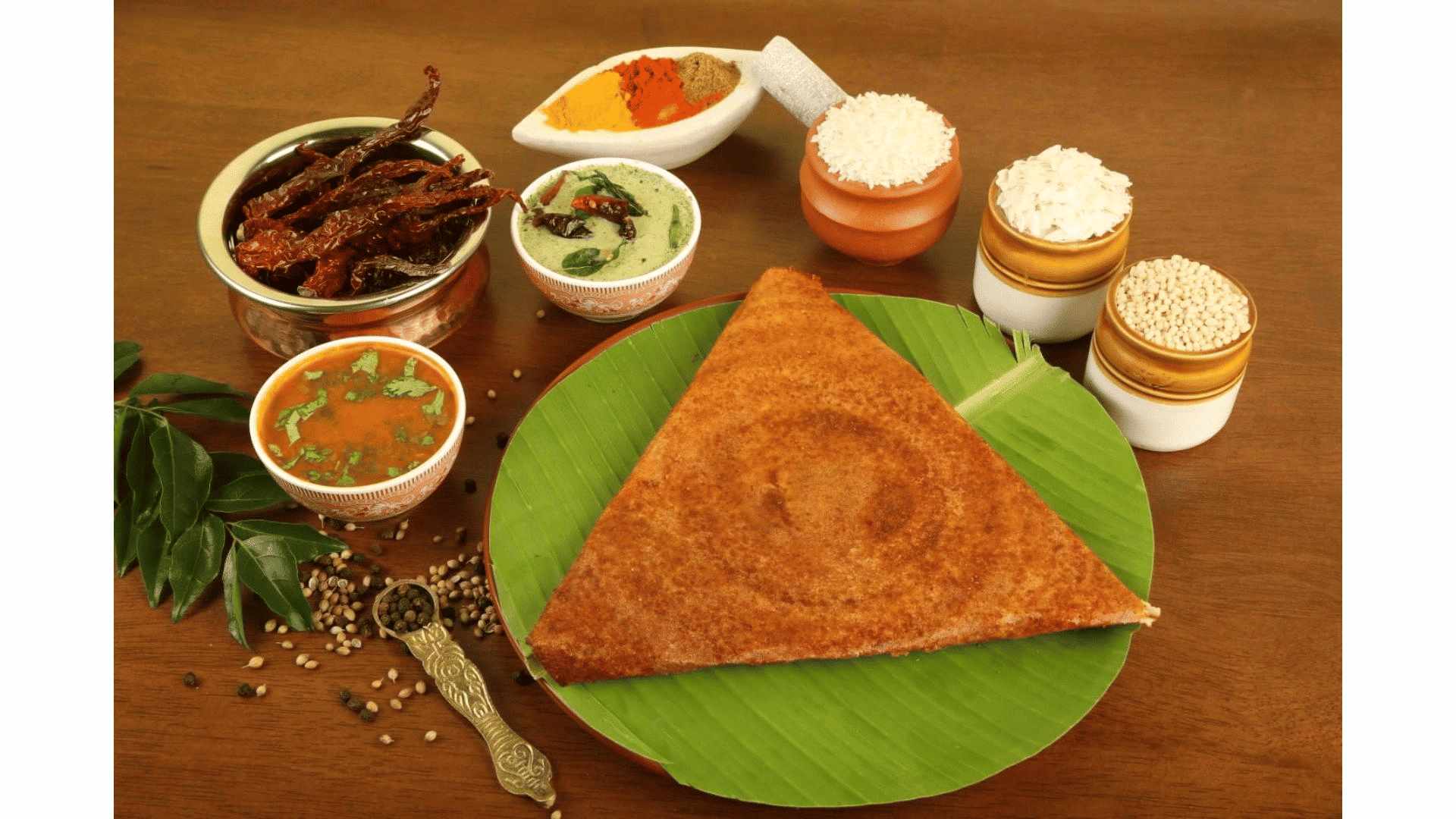
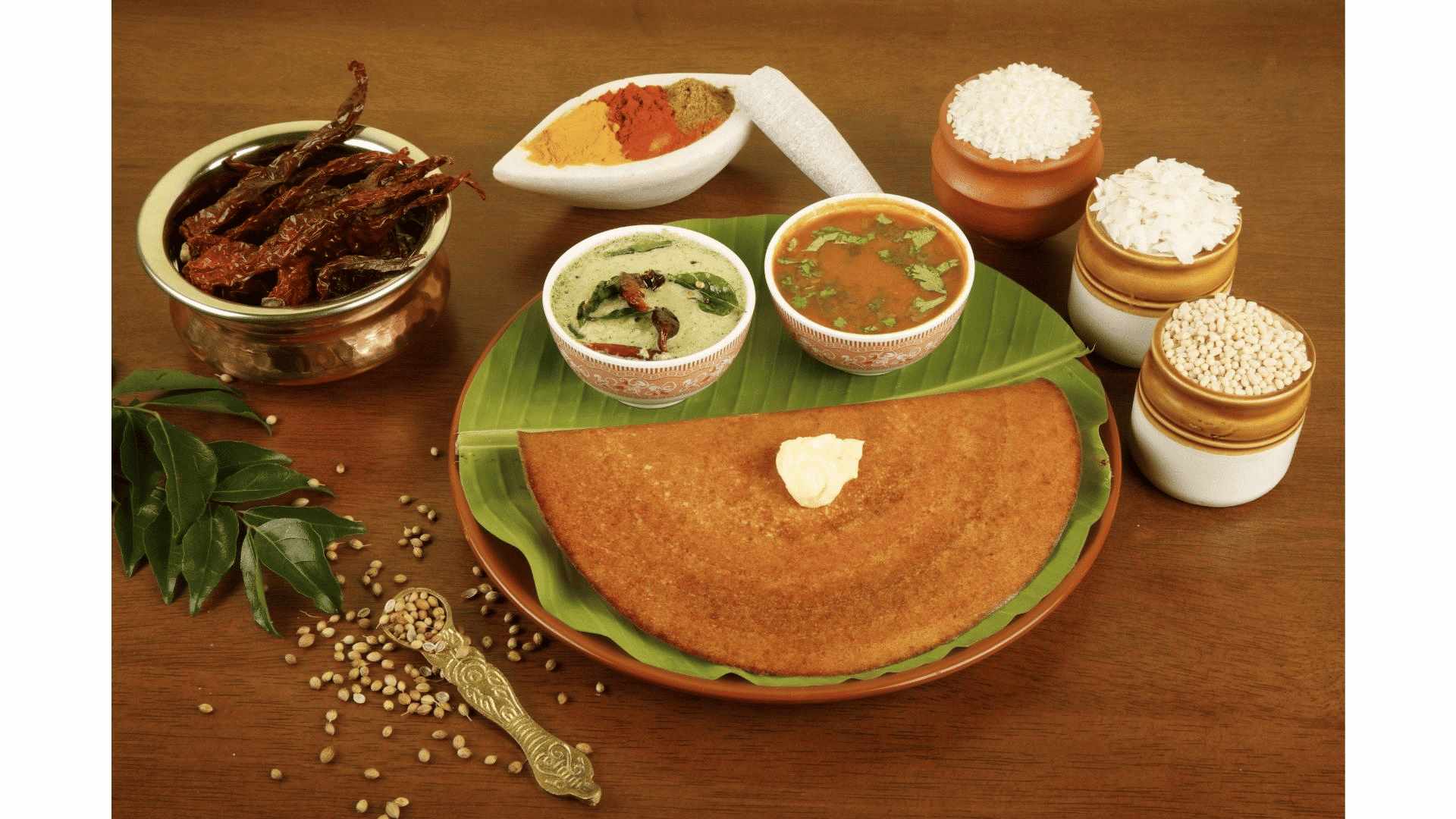
This is a combination of idli and vade. It is served with Huļi (sambar) and chutney.
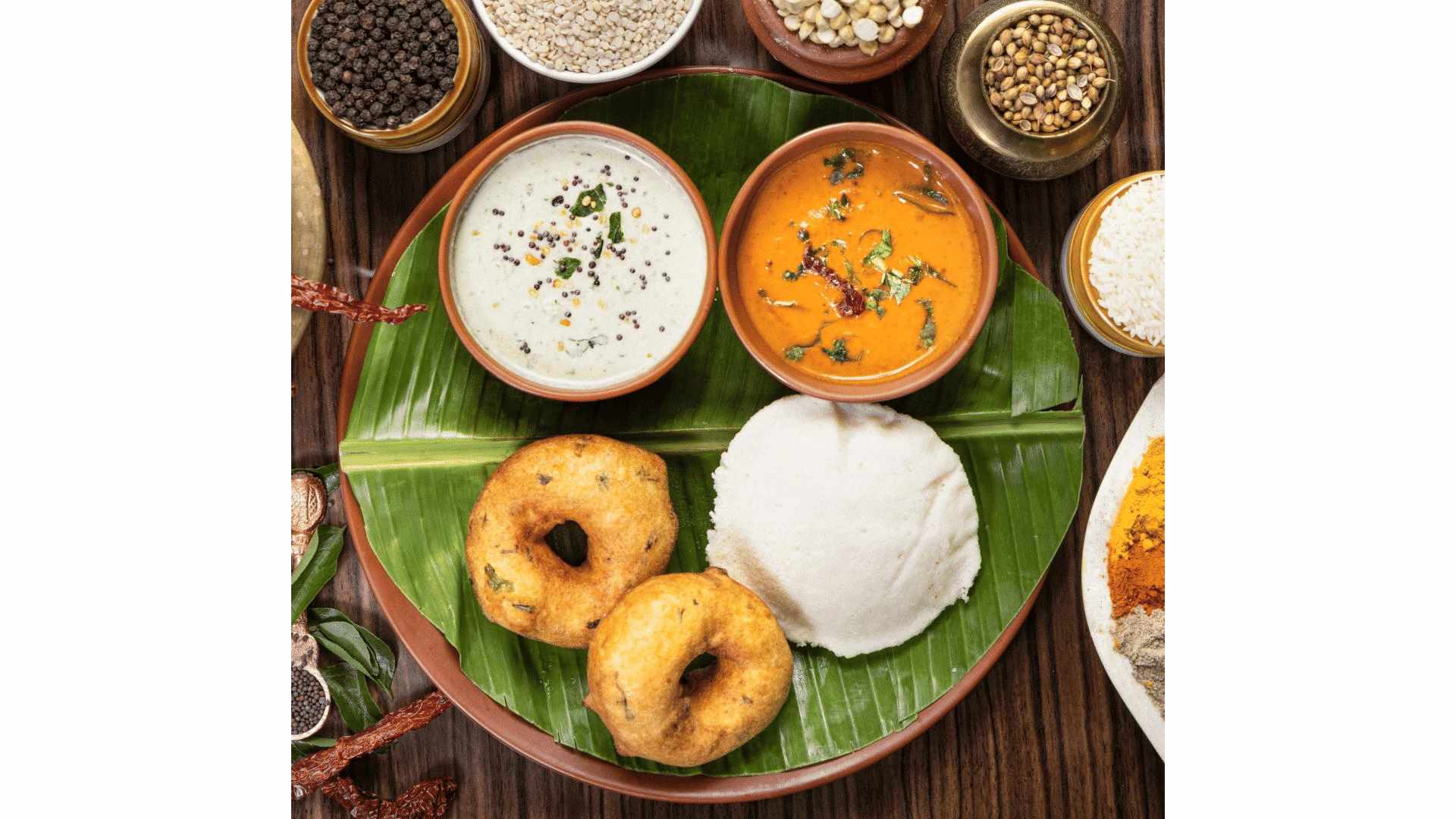
This is a combination of uppittu and vade. It is served with Huļi (sambar) and chutney.
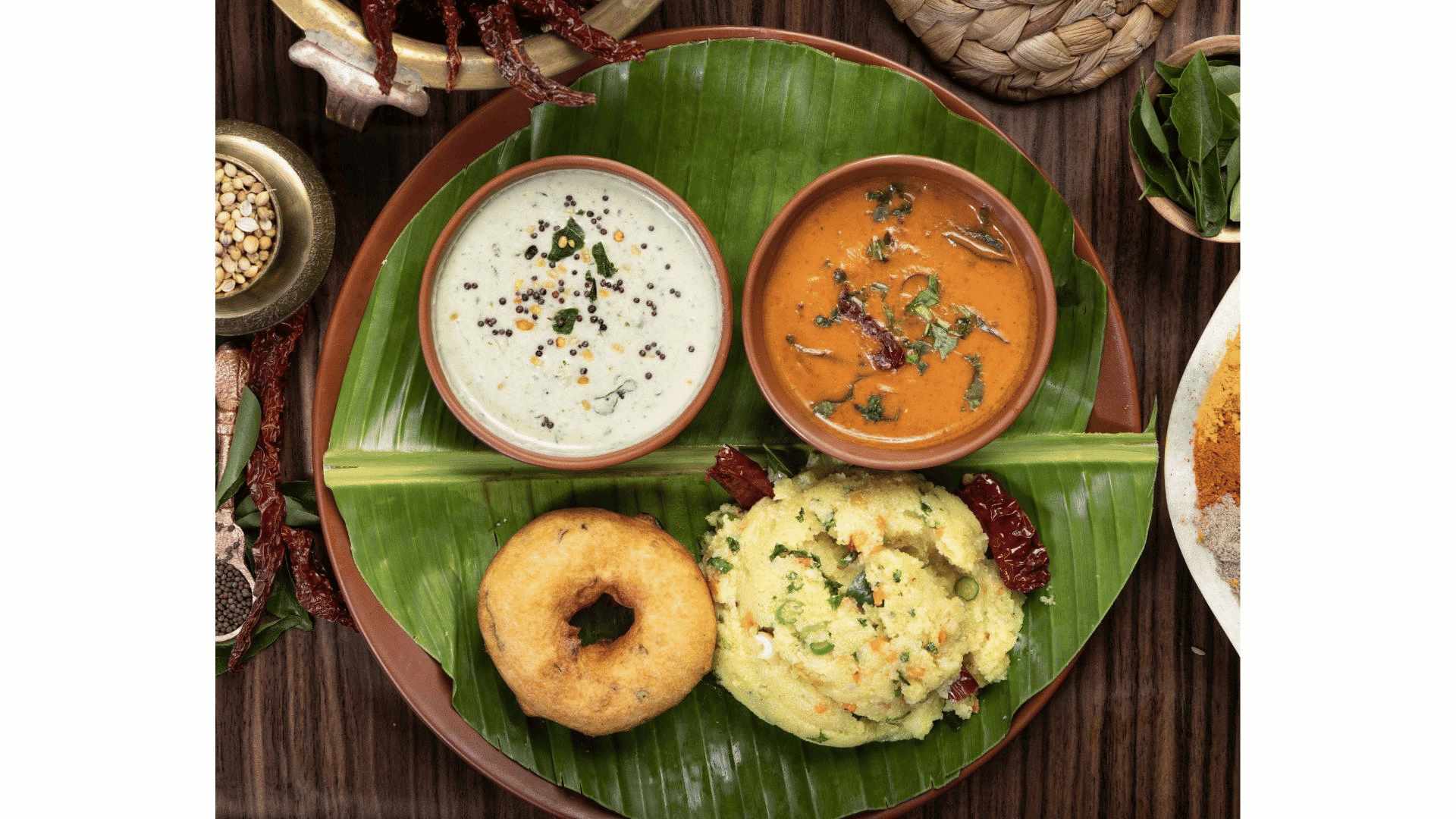
This is a combination of idli and vade. It is served with Huļi (sambar) and chutney.
A set breakfast containing one dose (or Pōri), idli, vade, uppittu, kesaribath and kaapi (or tea).
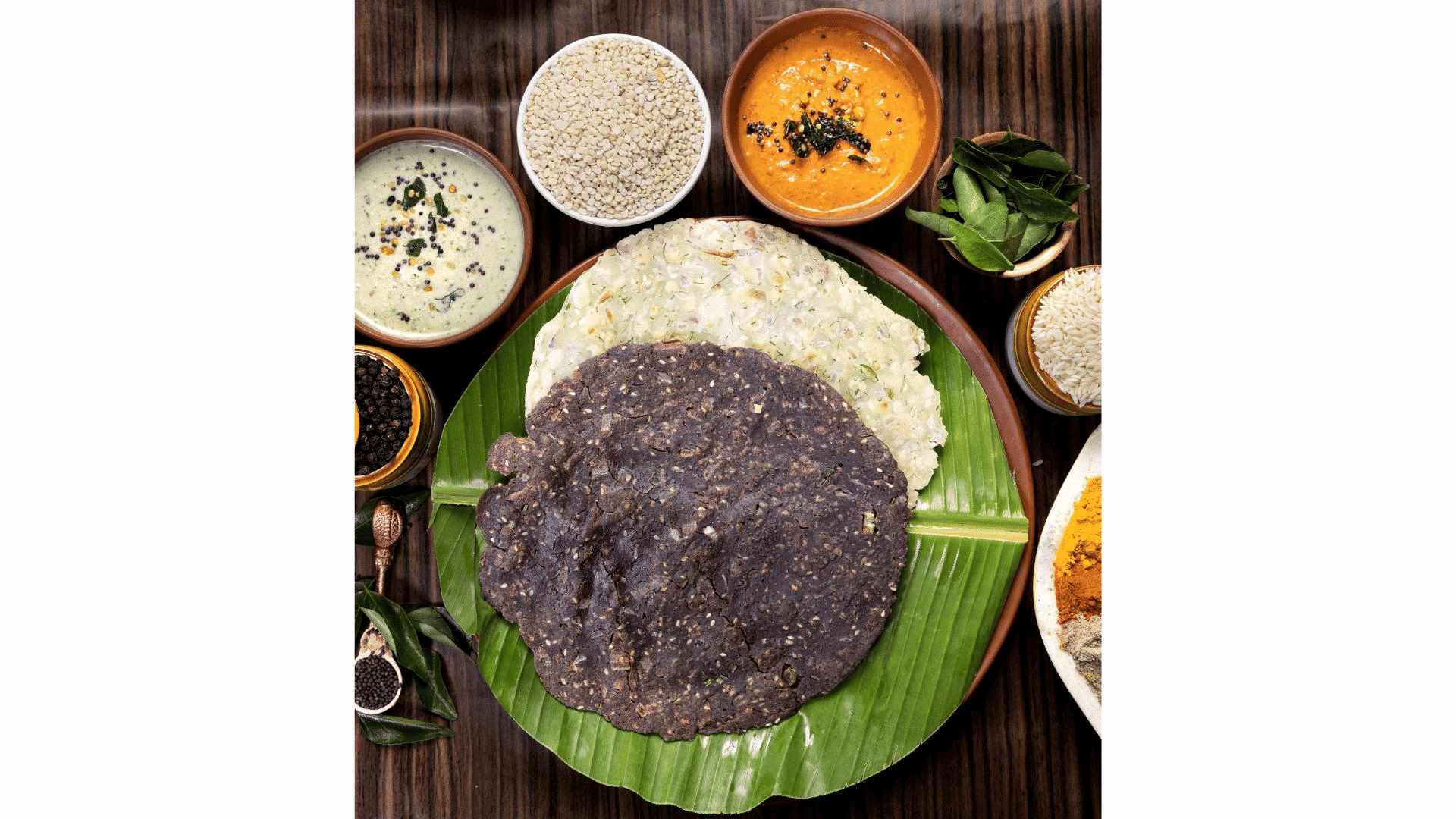
This is a combination of akki rotti and ragi rotti. Served with Kadalebele chutney
This is a combination of a spicy and cool dishes. Bisibelebath is spicy while mosaranna gives an opposing taste and is an ideal choice for variety seekers. Very popular in karnataka.
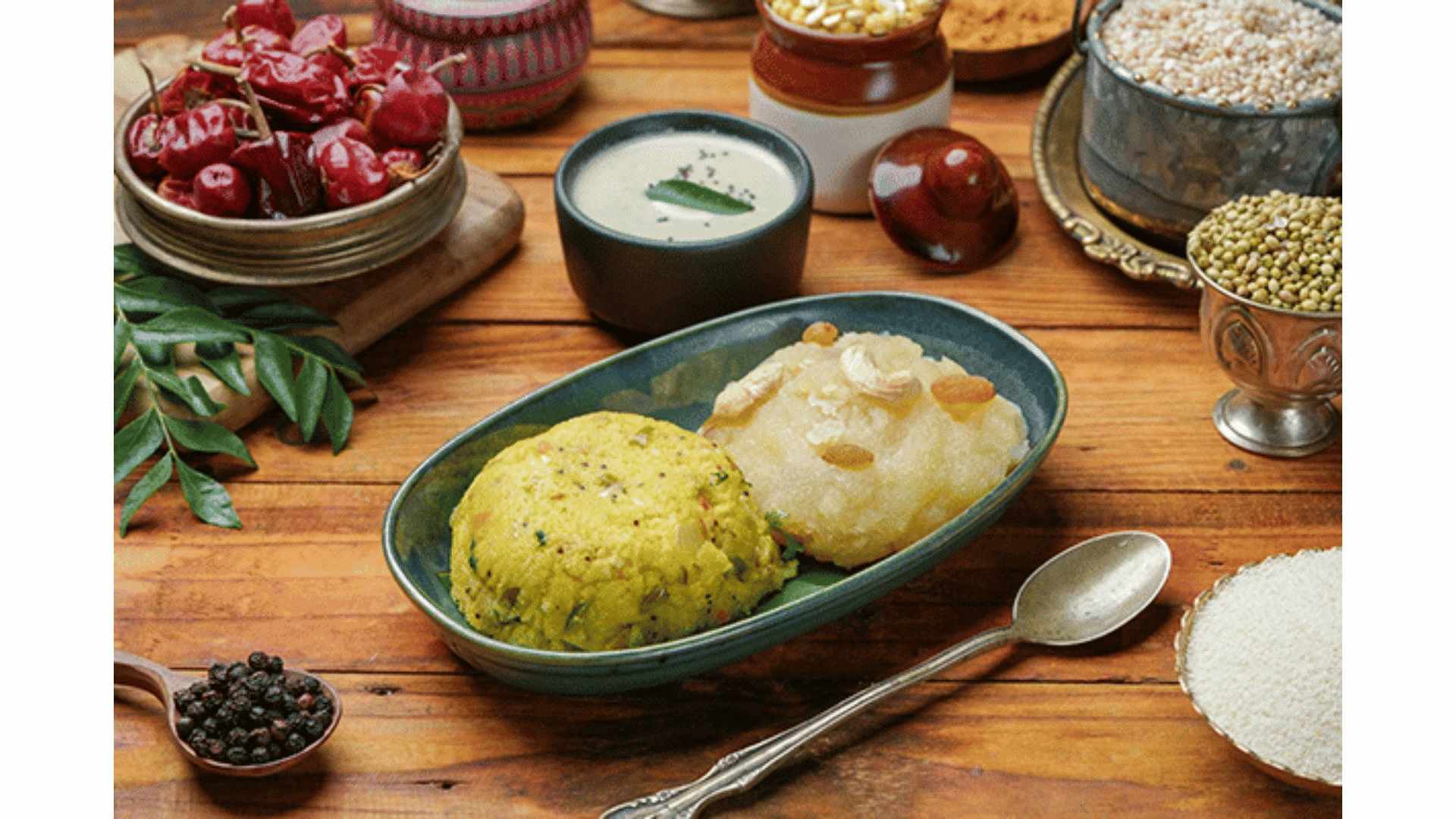
Really unsure of the chinese sounding name!! However, chowchowbath is an extremely famous karnataka product which features a combination of upma and shira (kesaribath).
This is a combination of upma and vade. Served with sambar and chutney.
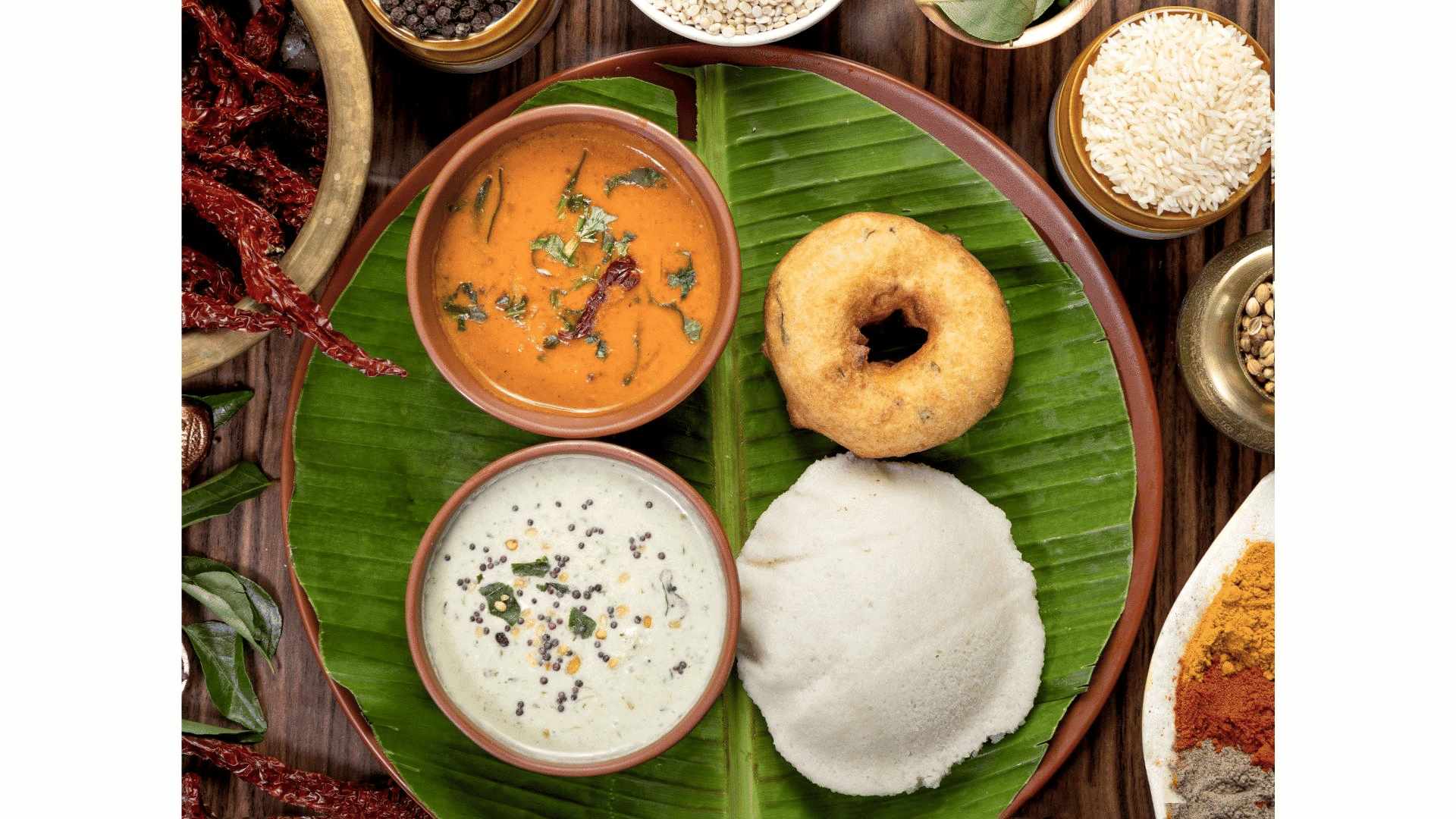
This is a combination of idli and vade. It is served with Huļi (sambar) and chutney.
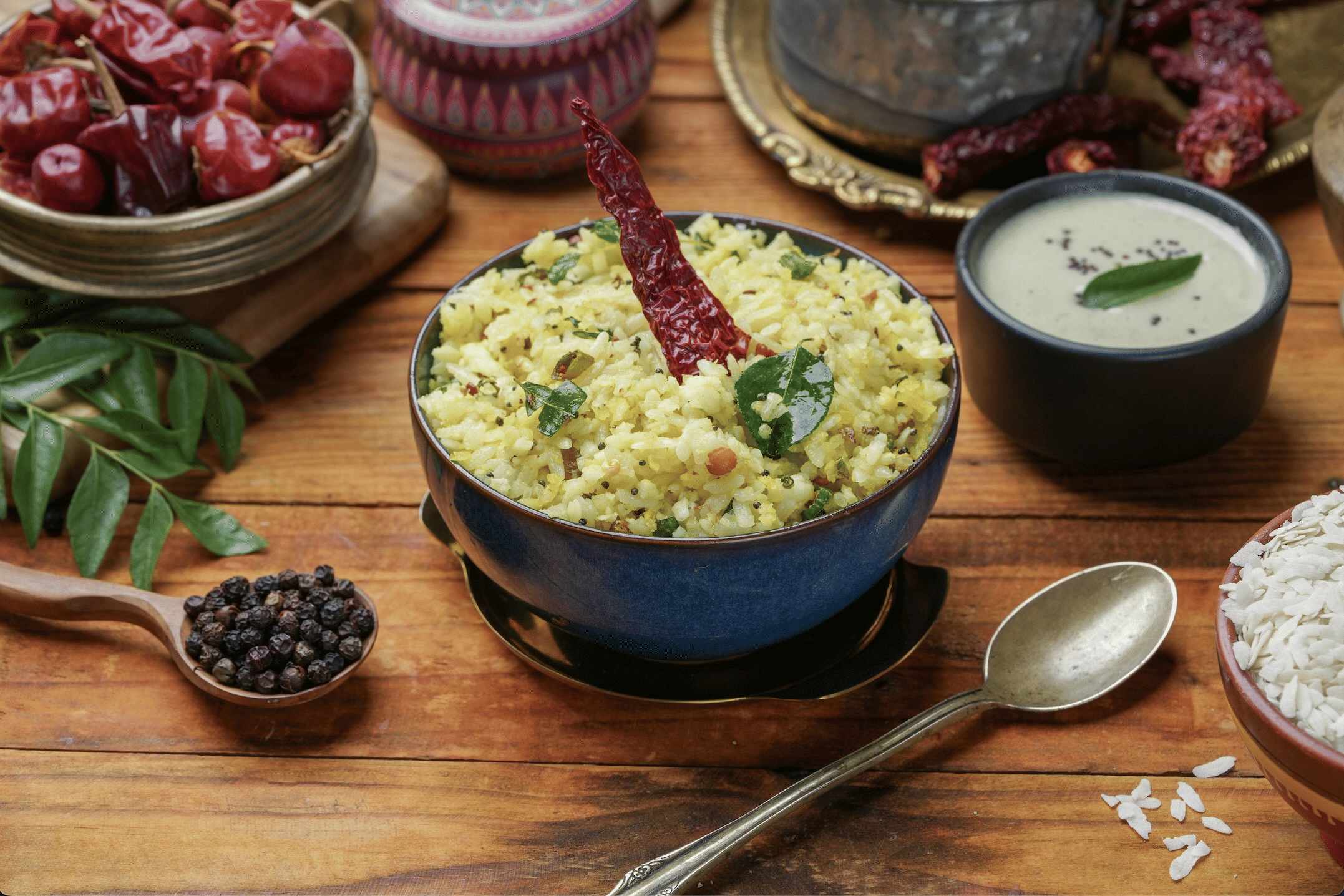
Gojjavalakki is a specific flattened spiced dish (with little sweetness added for the Udupi flavour). It is extremely popular in karnataka - especially in Mysore - Bangalore region. This dish has roasted peanuts, mustard seeds and curry leaves. Served with chutney.
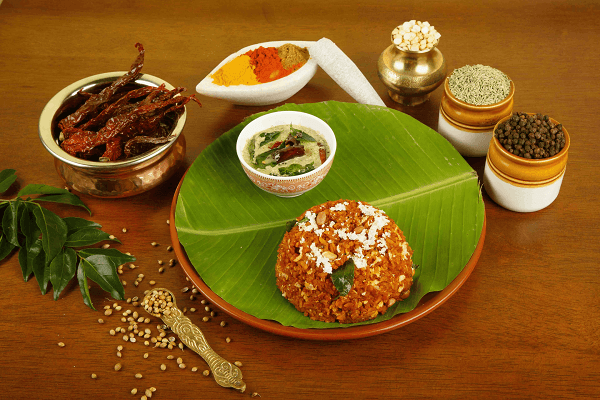
‘Bāth’ means rice in Kannada. Depending on time and day of week, cut brinjal or capsicum is tossed in a pan and mixed with cooked rice, curry leaves and spices. Eaten across Mysore - Bangalore, the spiced and tangy preparation gives the name ‘vangi’.
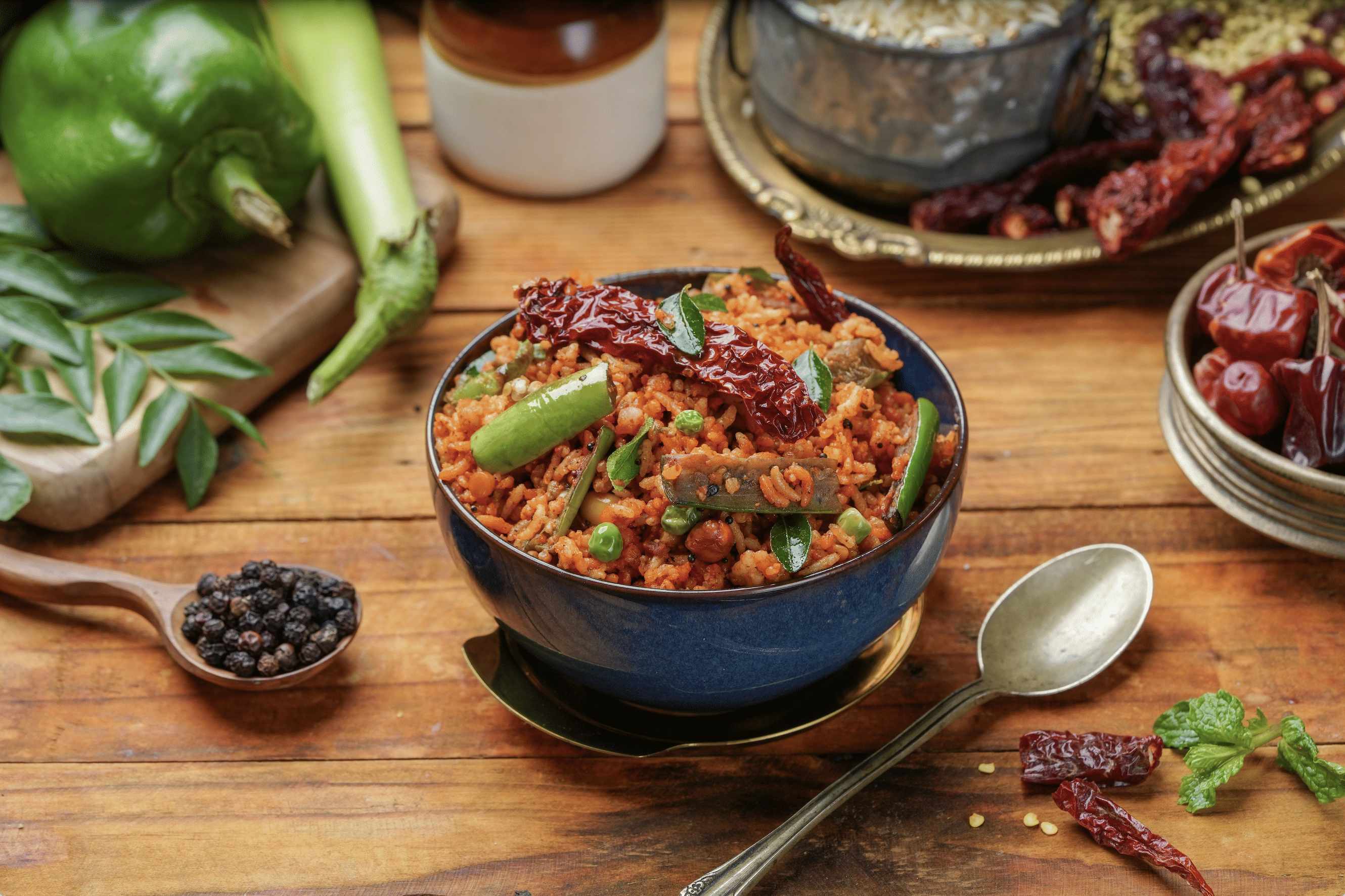
‘Bāth’ means rice in Kannada. Depending on time and day of week, cut brinjal is tossed in a pan and mixed with cooked rice, curry leaves and spices. Eaten across Mysore - Bangalore, the spiced and tangy preparation gives the name ‘vangi’.
‘Bāth’ means rice in Kannada. Depending on time and day of week, cut capsicum is tossed in a pan and mixed with cooked rice, curry leaves and spices. Eaten across Mysore - Bangalore, the spiced and tangy preparation gives the name ‘vangi’.
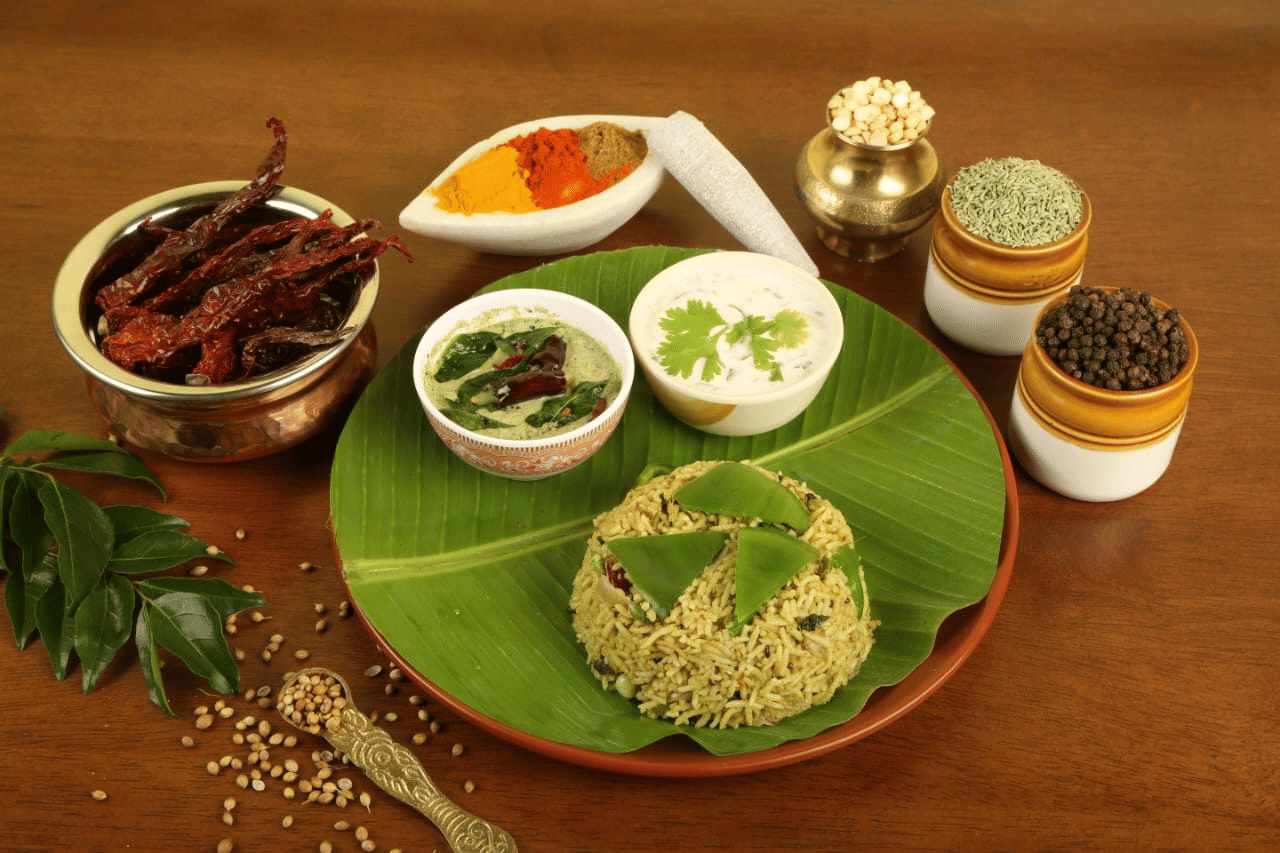
A methi flavoured rice with spices. Eaten across Mysore - Bangalore.
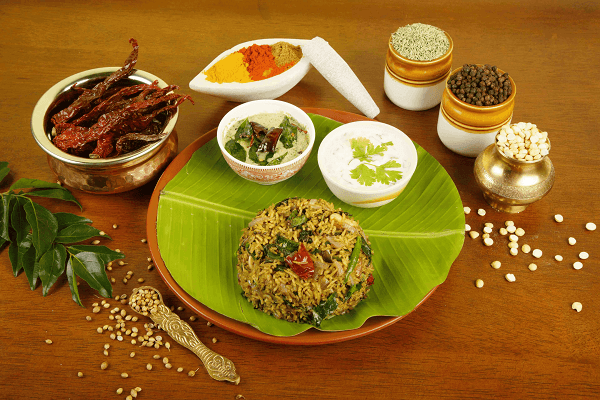
‘Bāth’ means rice in Kannada. Depending on time and day of week, soaked peas are tossed in a pan and mixed with cooked rice, curry leaves and spices. Eaten across Mysore - Bangalore, the spiced and tangy preparation gives the name ‘vangi’.
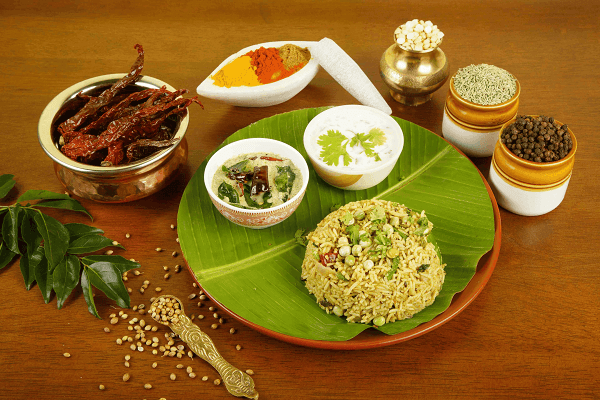
A unique south indian flavoured rice.
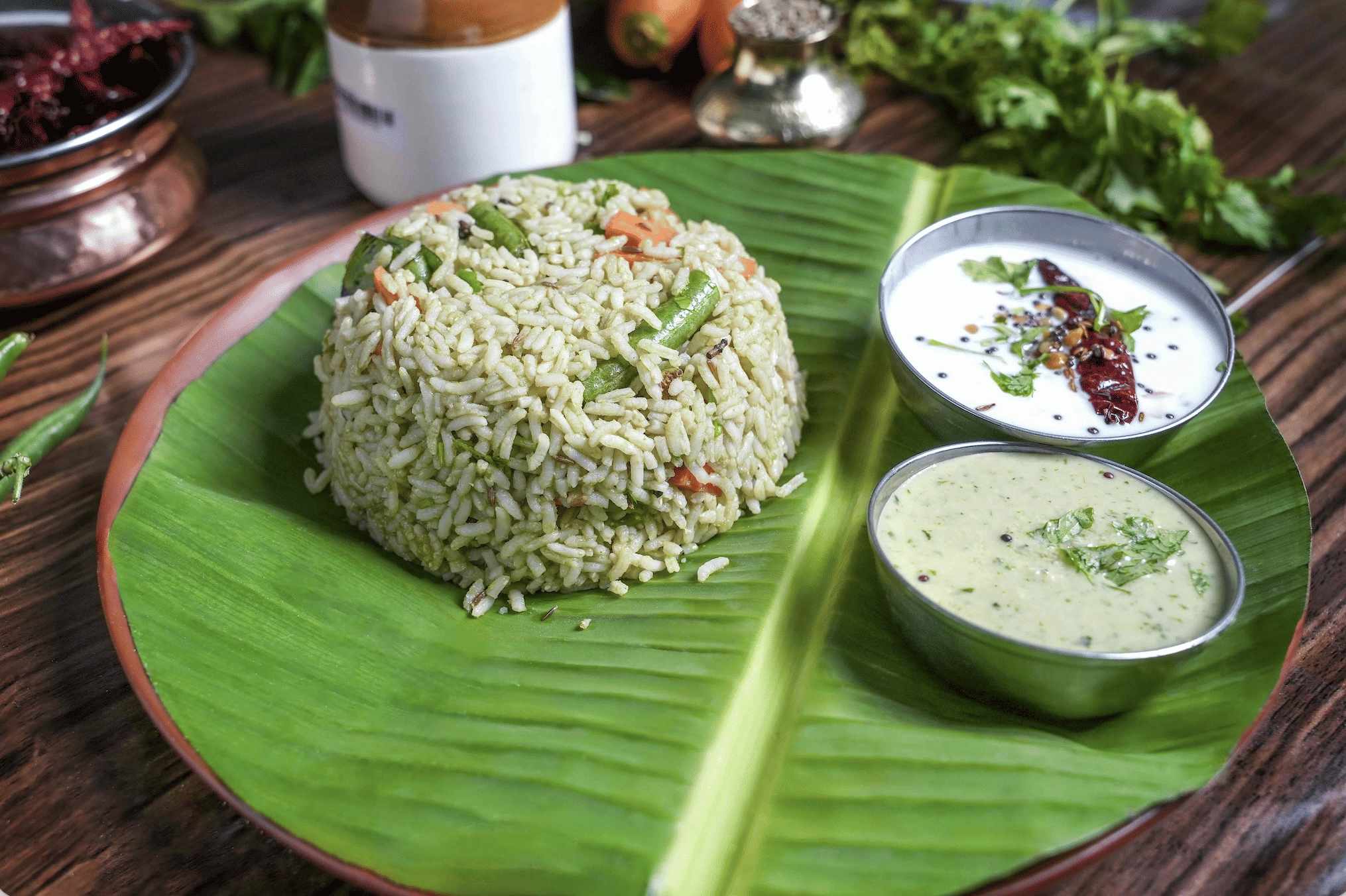
Very common in Brahmin and Iyengar families of Karnataka, this flavoured rice includes peanuts.
Simple, nourishing white boiled rice. Can be eaten with sambar or just with ghee and salt.
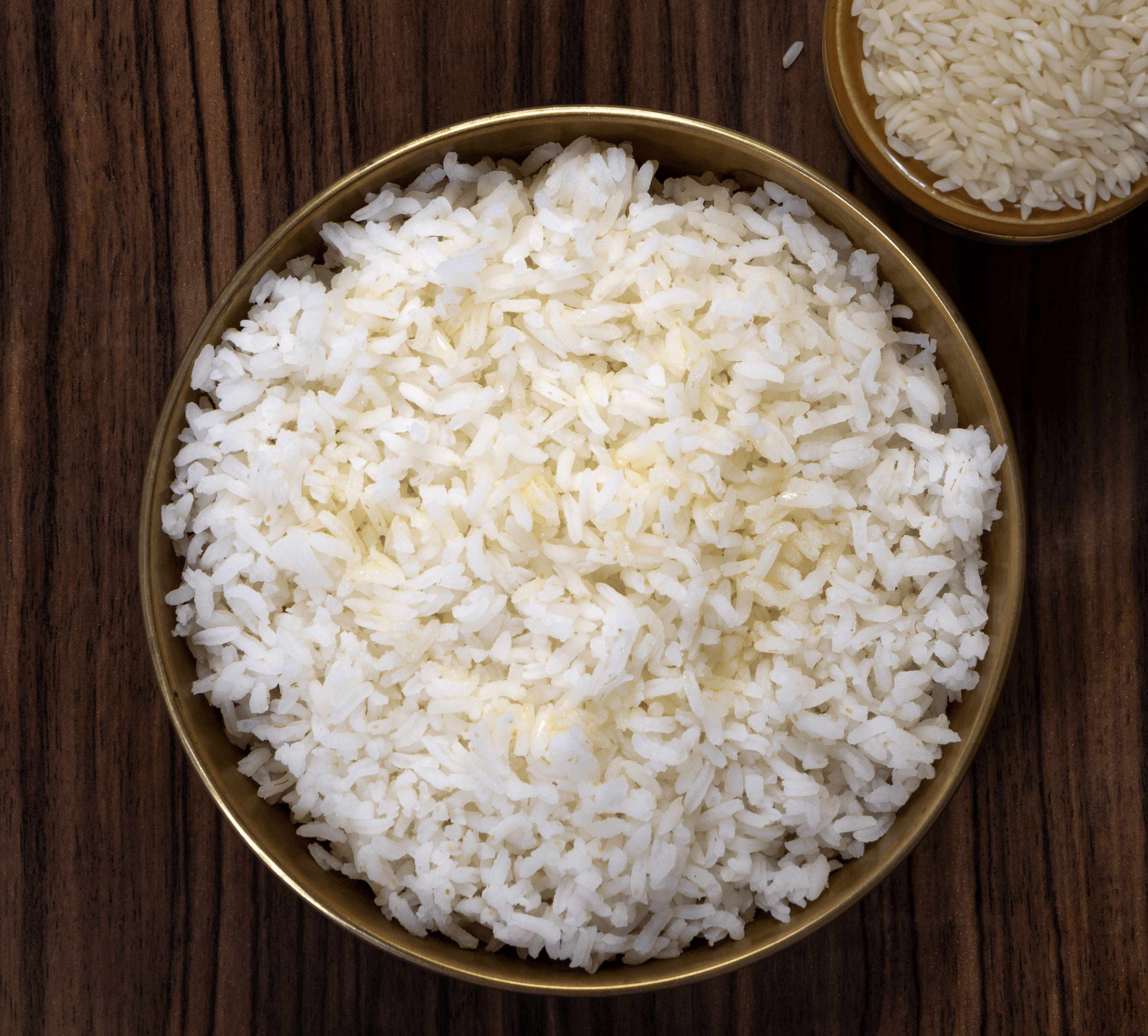
Thuppa (ghee in kannada) is mixed with boiled rice. This dish is made from pure Indian cow ghee and is popular in karnataka. Served with saagu.
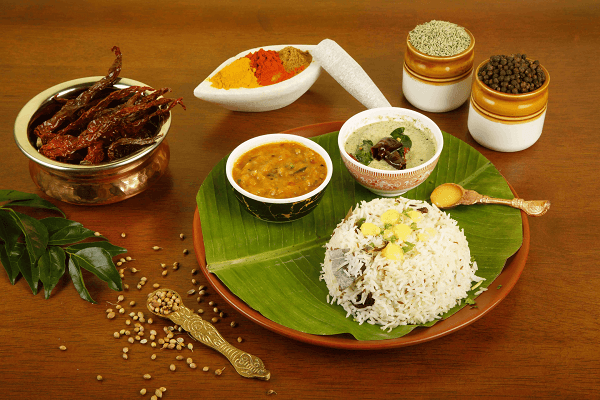
Very unique to South Canara region. An item similar to the pulao known across India. Served with curd raitha.
Very unique to Bangalore - Mysore region, this is boiled lentils mixed with spice powder. Served with curd raitha.
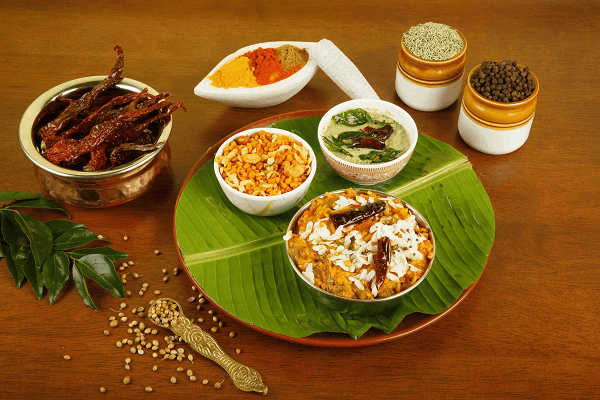
This is a variant of the brinjal rice but made with potato instead.
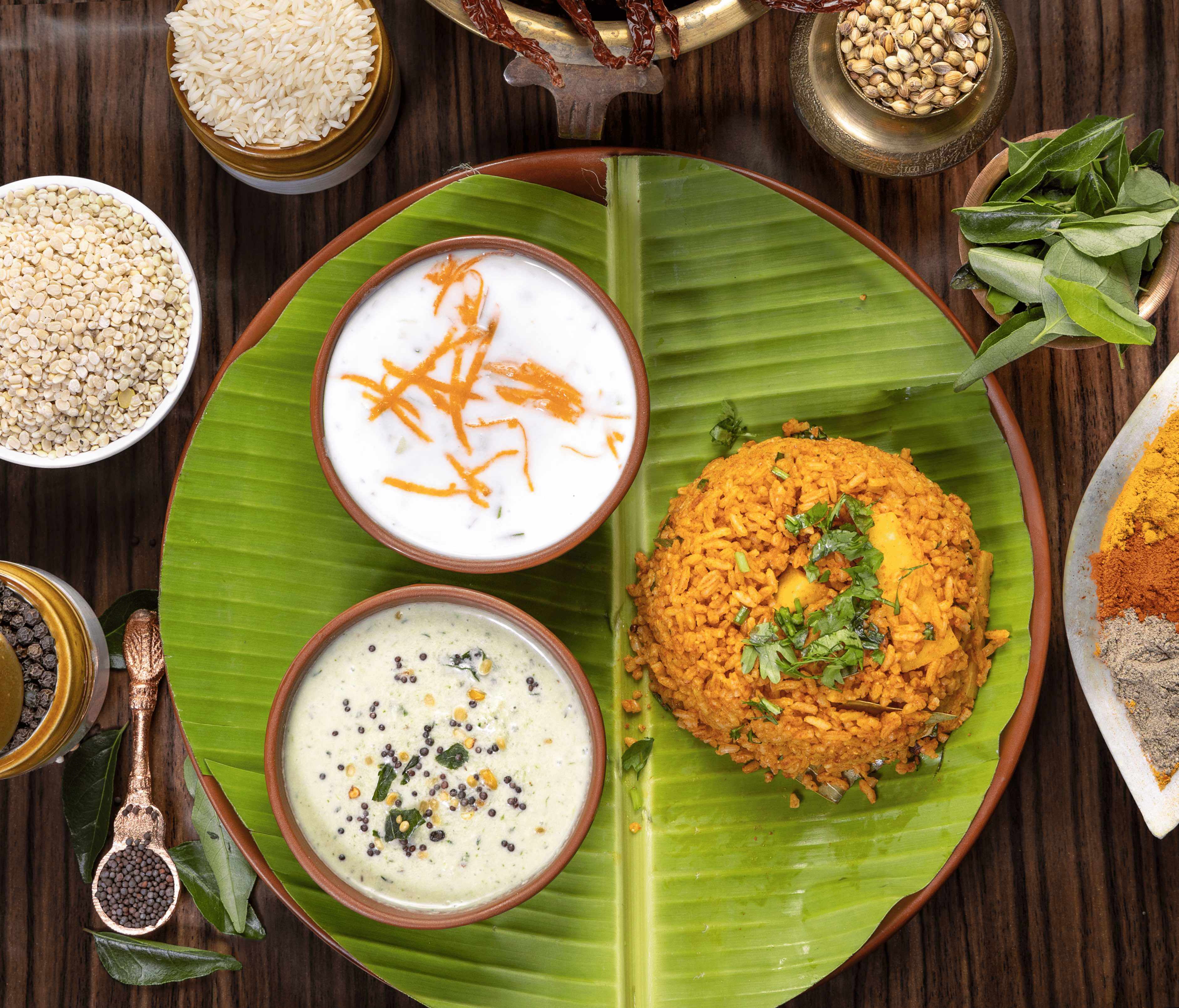
Raw mango is grated and added to the chithranna. Chithranna is prepared by mixing cooked rice with lemon juice, fried mustard, peanuts and curry leaves.
A healthy on the stomach product made by mixing yoghurt / curd and boiled rice. We enhance the flavour by adding pomegranate seeds, chopped chillies and coriander leaves.
Chithranna is prepared by mixing cooked rice with lemon juice, fried mustard, peanuts and curry leaves. It is very popular in Karnataka and across the south of india.
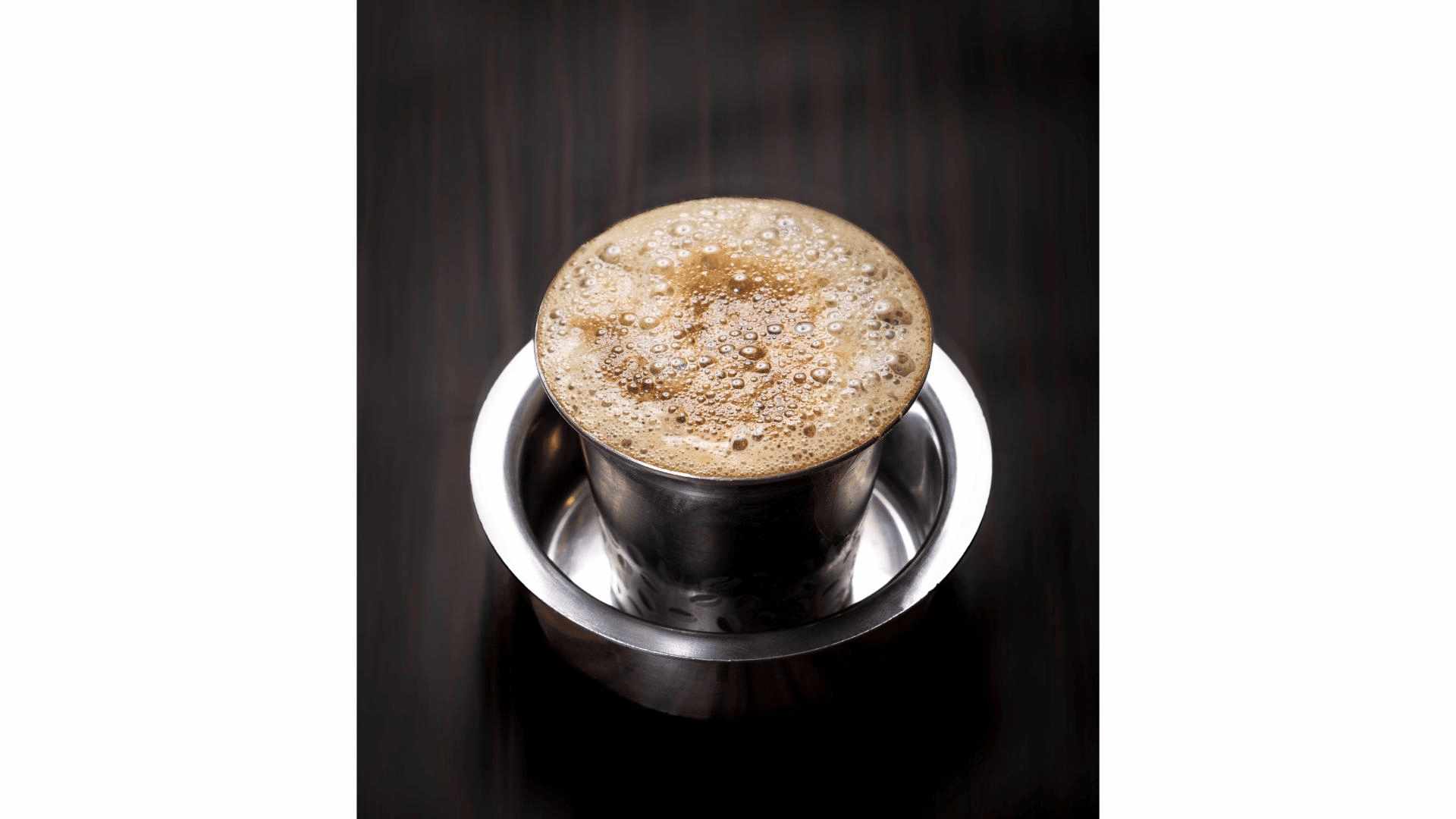
Bella means jaggery while kaapi just is an kannadiga way of referring to coffee. This kaapi is consumed with milk (instead of water like almost every other country) and jaggery - a healthier version. Very famous in Karnataka.
Healthy drink made with water
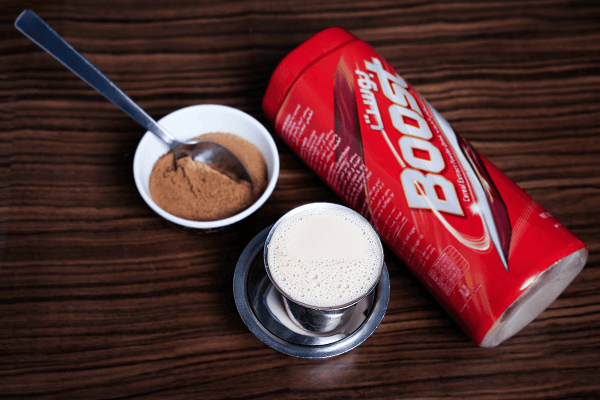
For kids who prefer a chocolate based drink instead of coffee or tea.
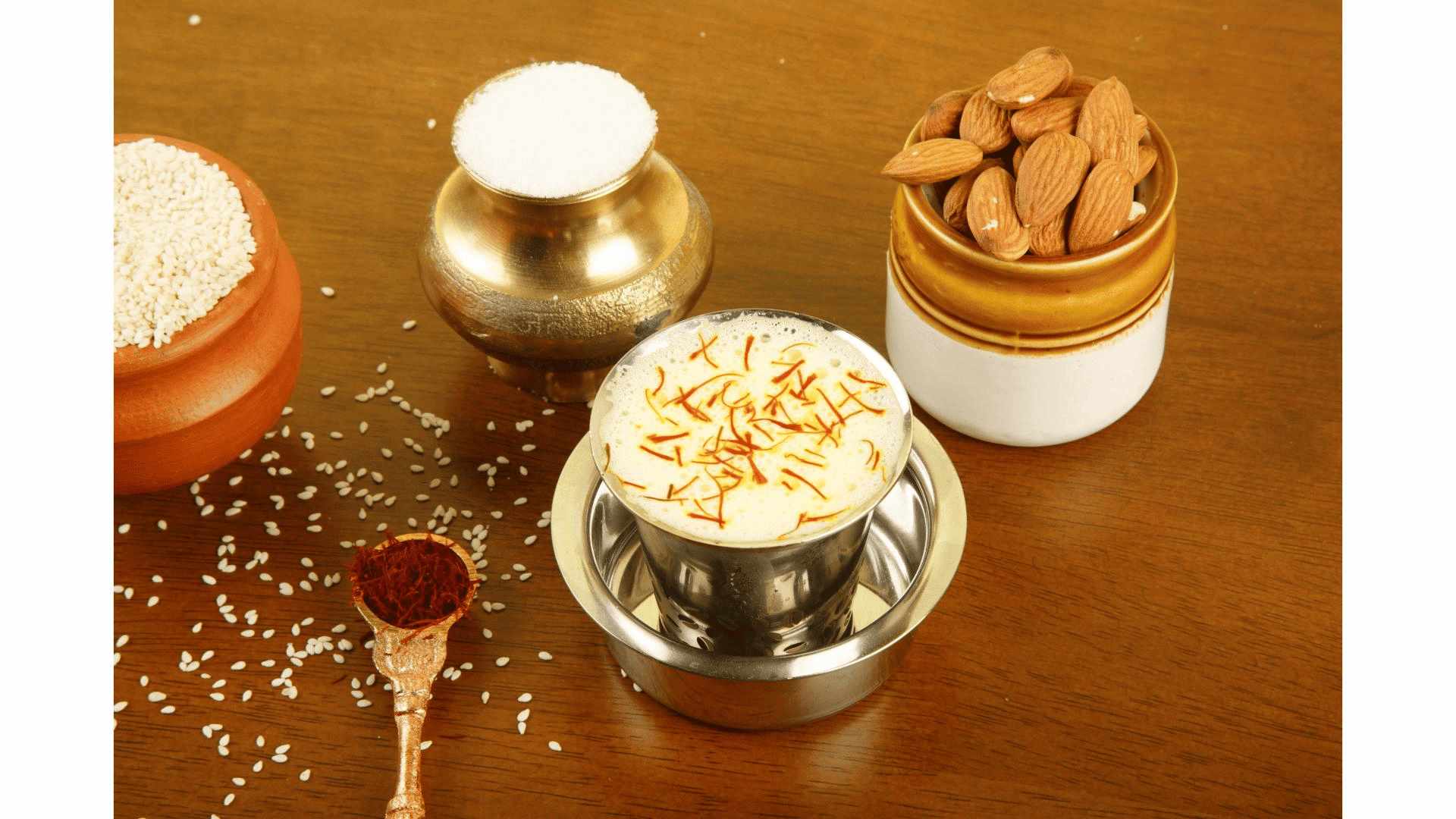
Milk boiled with almond powder, sugar and turmeric. This simple, plain and unpretentious milk is a very healthy drink and is consumed as per ayurvedic recommendation across india.
Elakki (cardamom) is boiled with chā (tea). While chā in rest of world is boiled with water, in India - it is made with milk.
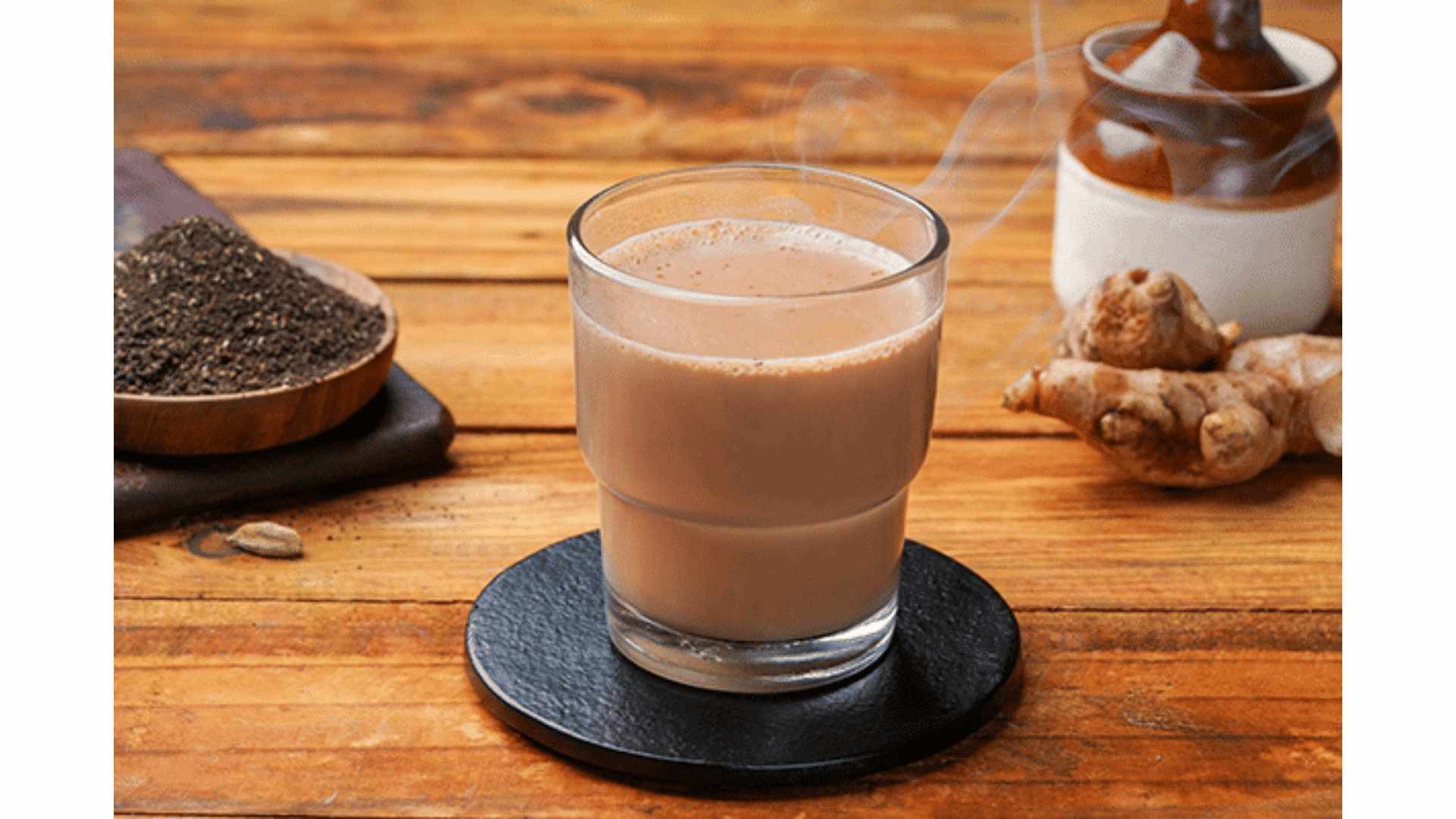
Shunti (ginger) is boiled with chā (tea). While chā in rest of world is boiled with water, in India - it is made with milk.
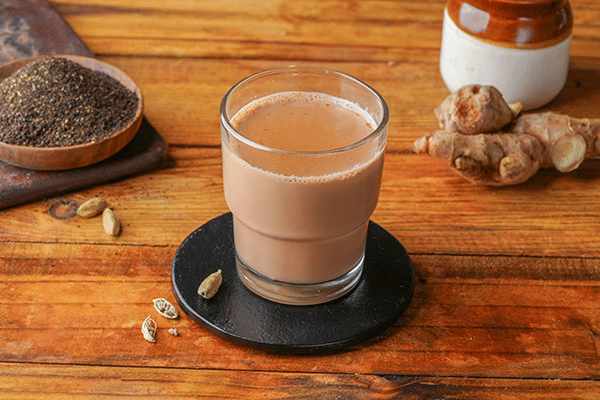
Milk is boiled with chā (tea). While chā in rest of world is boiled with water, in India - it is made with milk.
Majjige means buttermilk in kannada - served as a drink during hot weather (unlike kaapi / chā during cold weather). This item has several medicinal properties and is slightly salted. Very popular in karnataka.
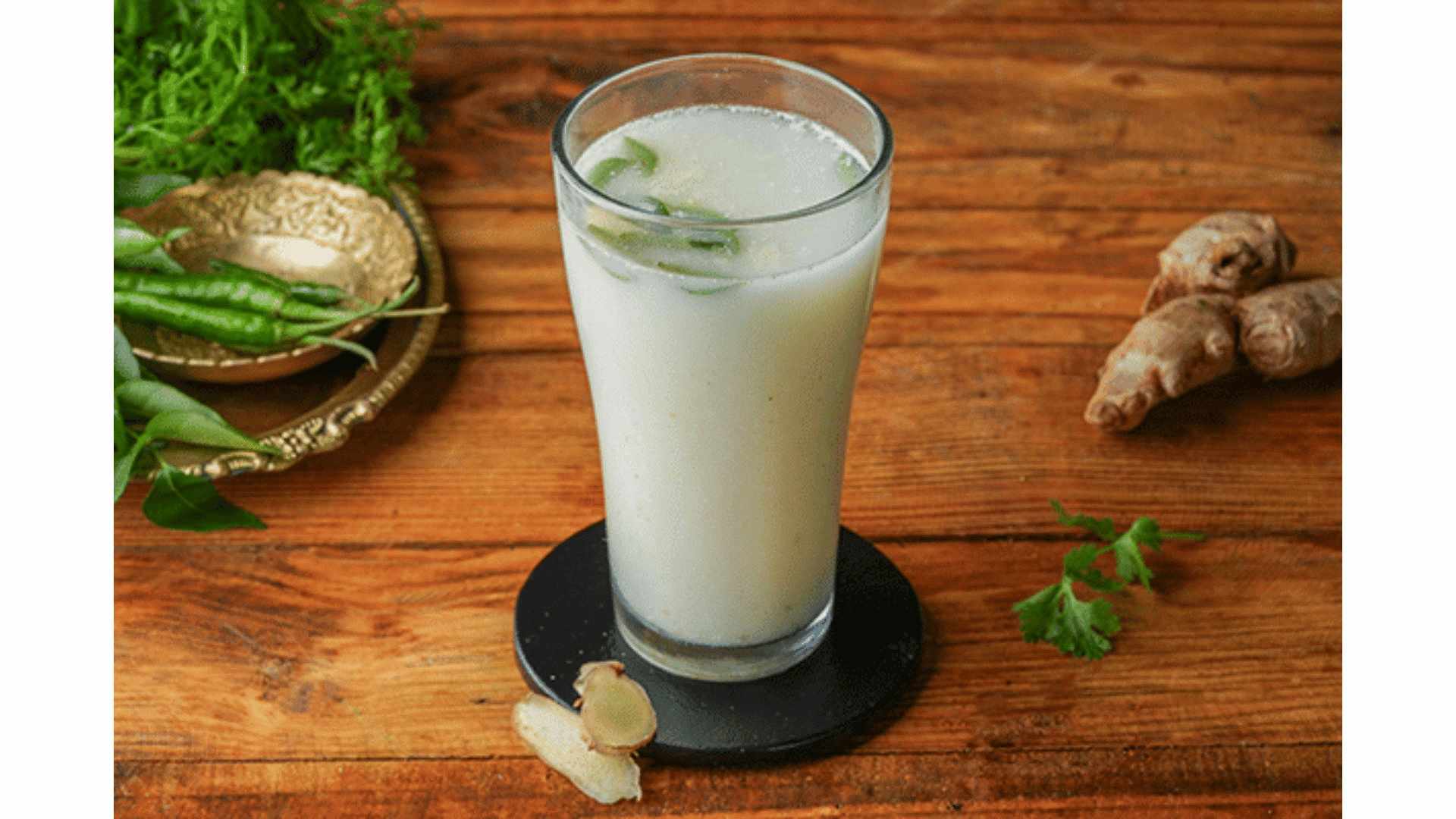
Simple straight natural tender coconut which is amazing for health and free of any chemicals. Nature's own summer replenishment. We only use the Indian variant.
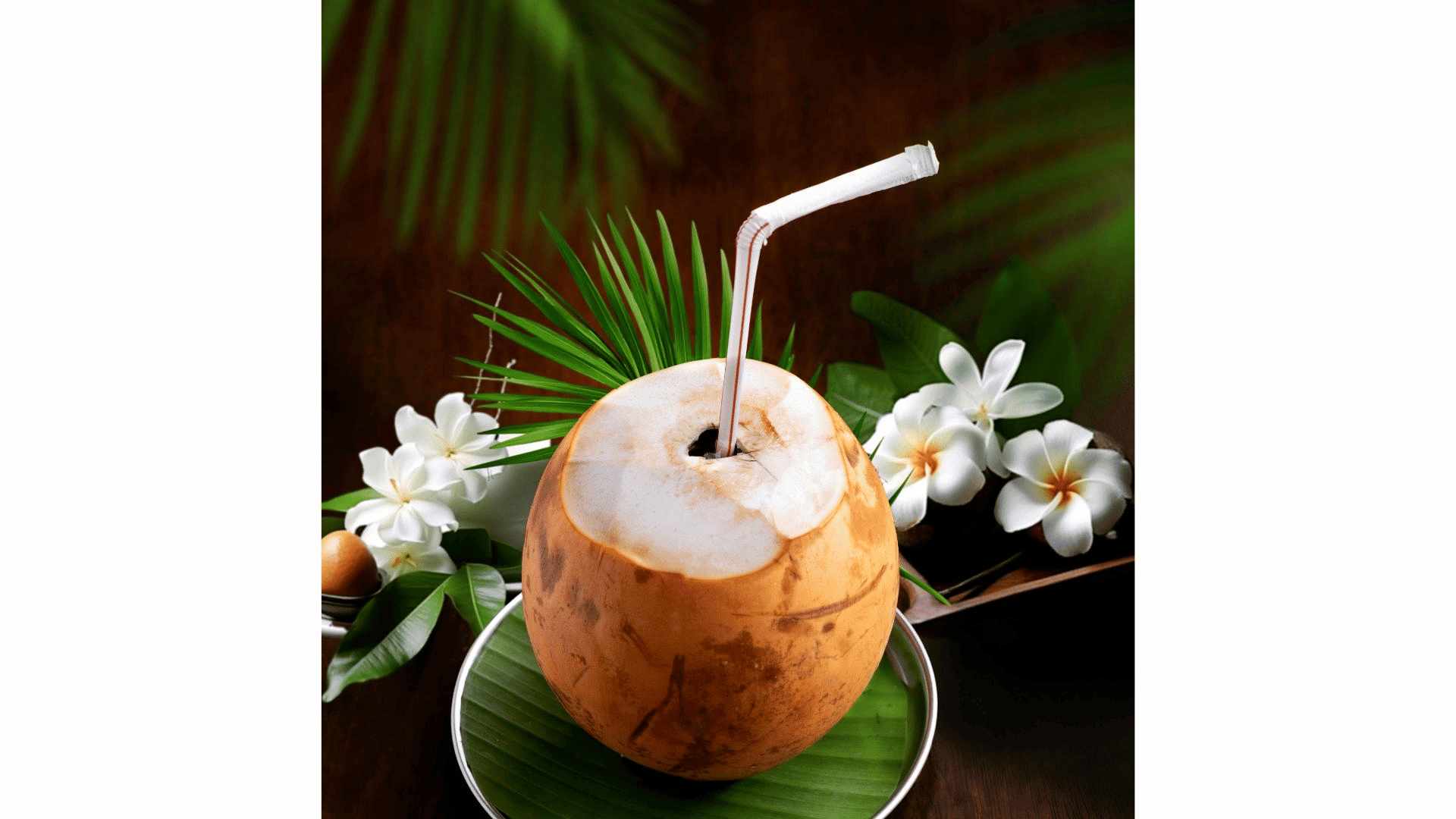
There used to be a time when a person was considered to be rich if s/he could afford this drink!. It is cold almond milk and ideal for hot weather. Do check out the hotter variant.
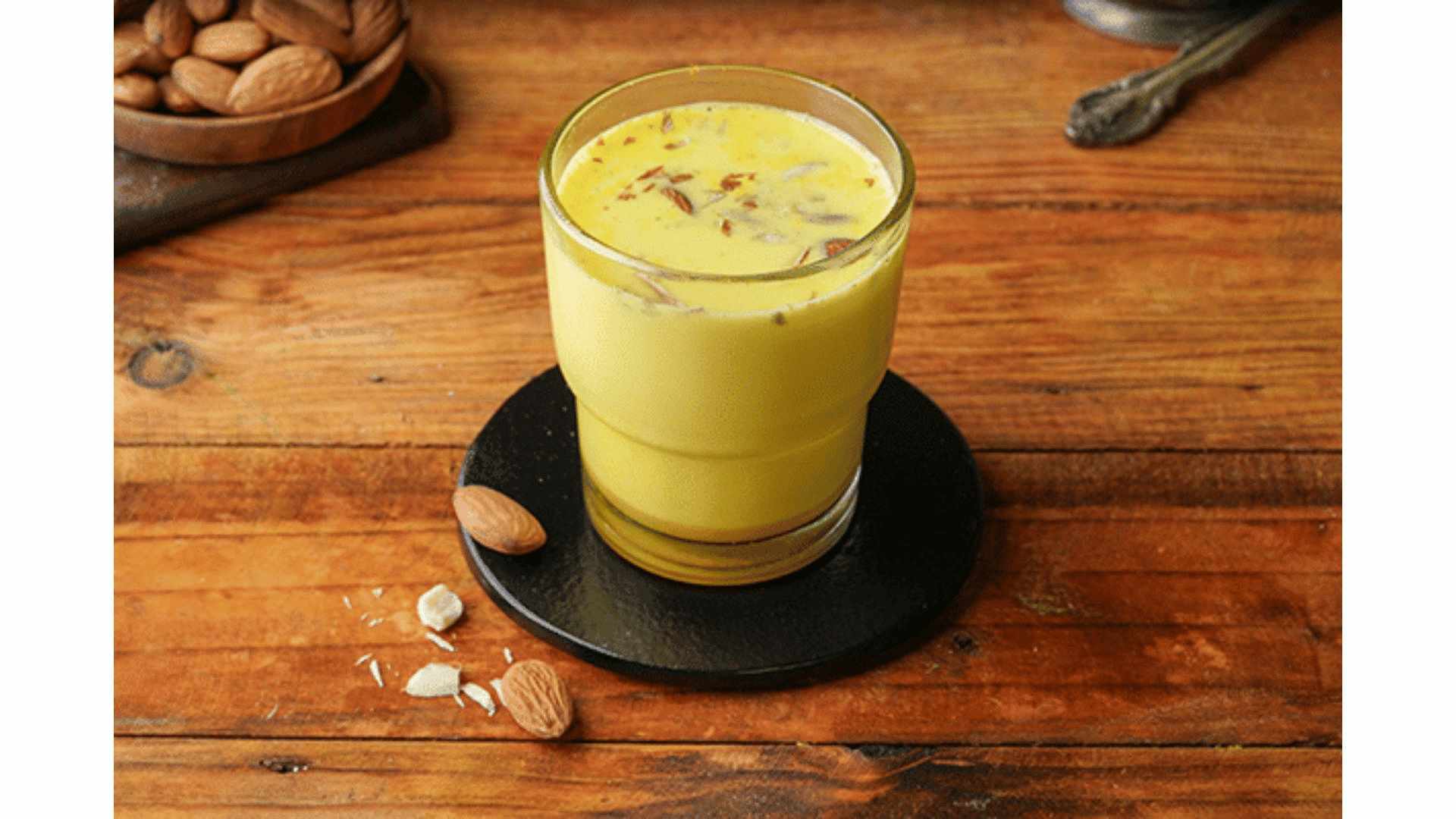
This is a cool drink made from green gram and is especially consumed in the Udupi region during summer.
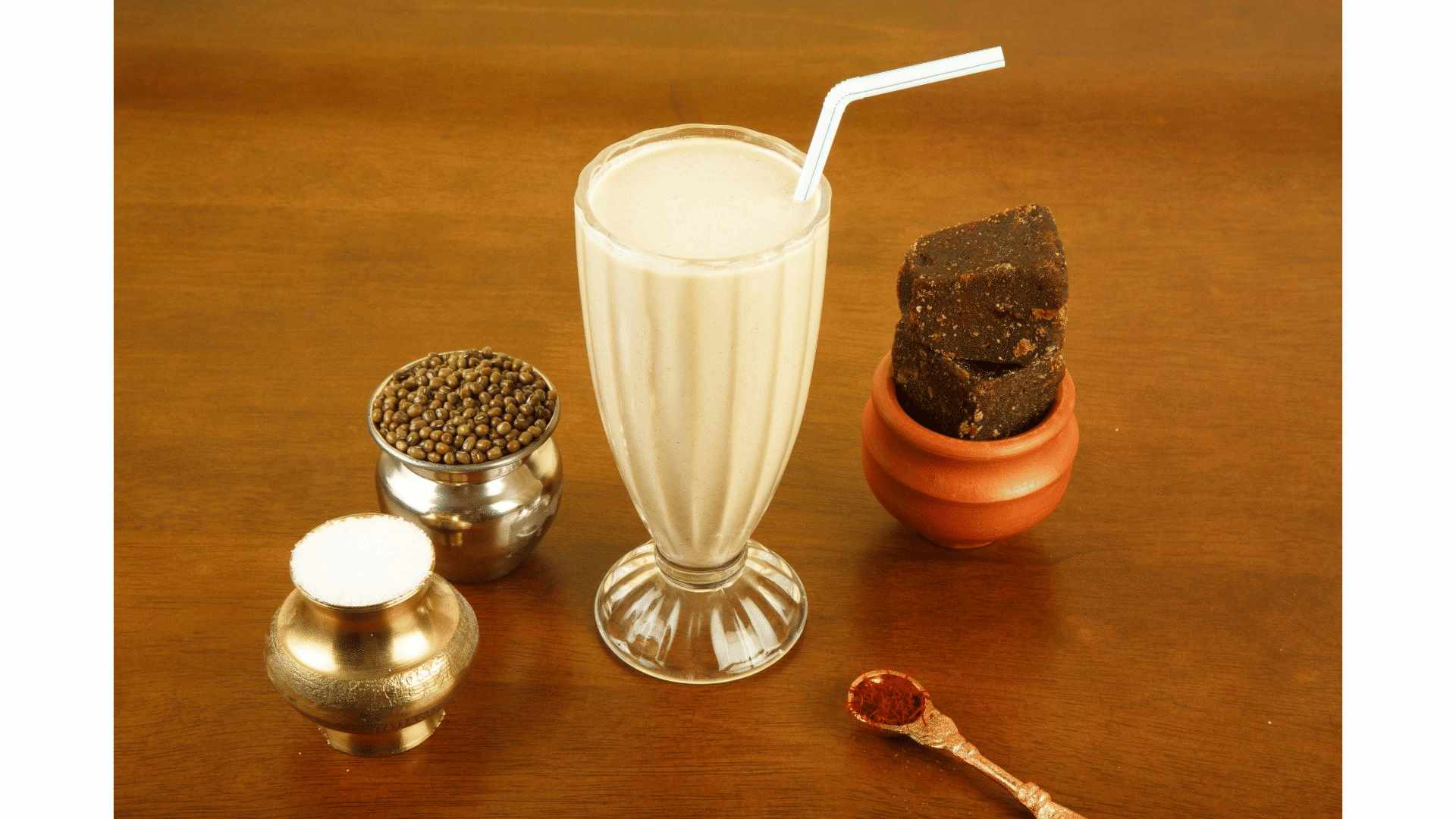
Traditional yoghurt available all over in india - without sugar.
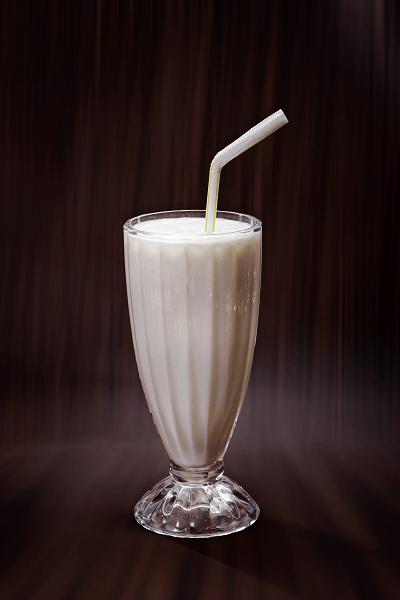
This is a variant of the majjige but is spicier!
Traditional yoghurt available all over in india - without salt.
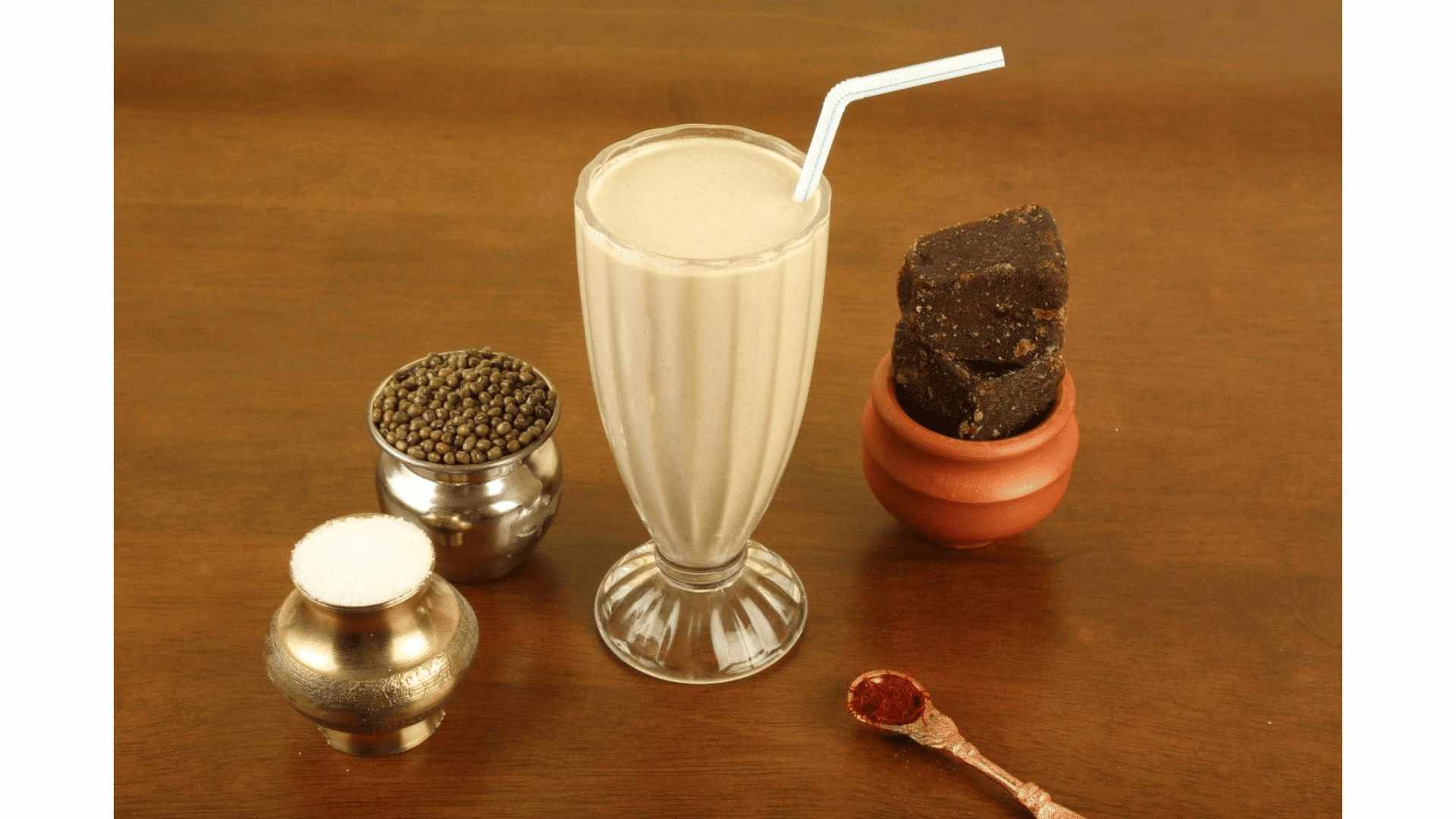
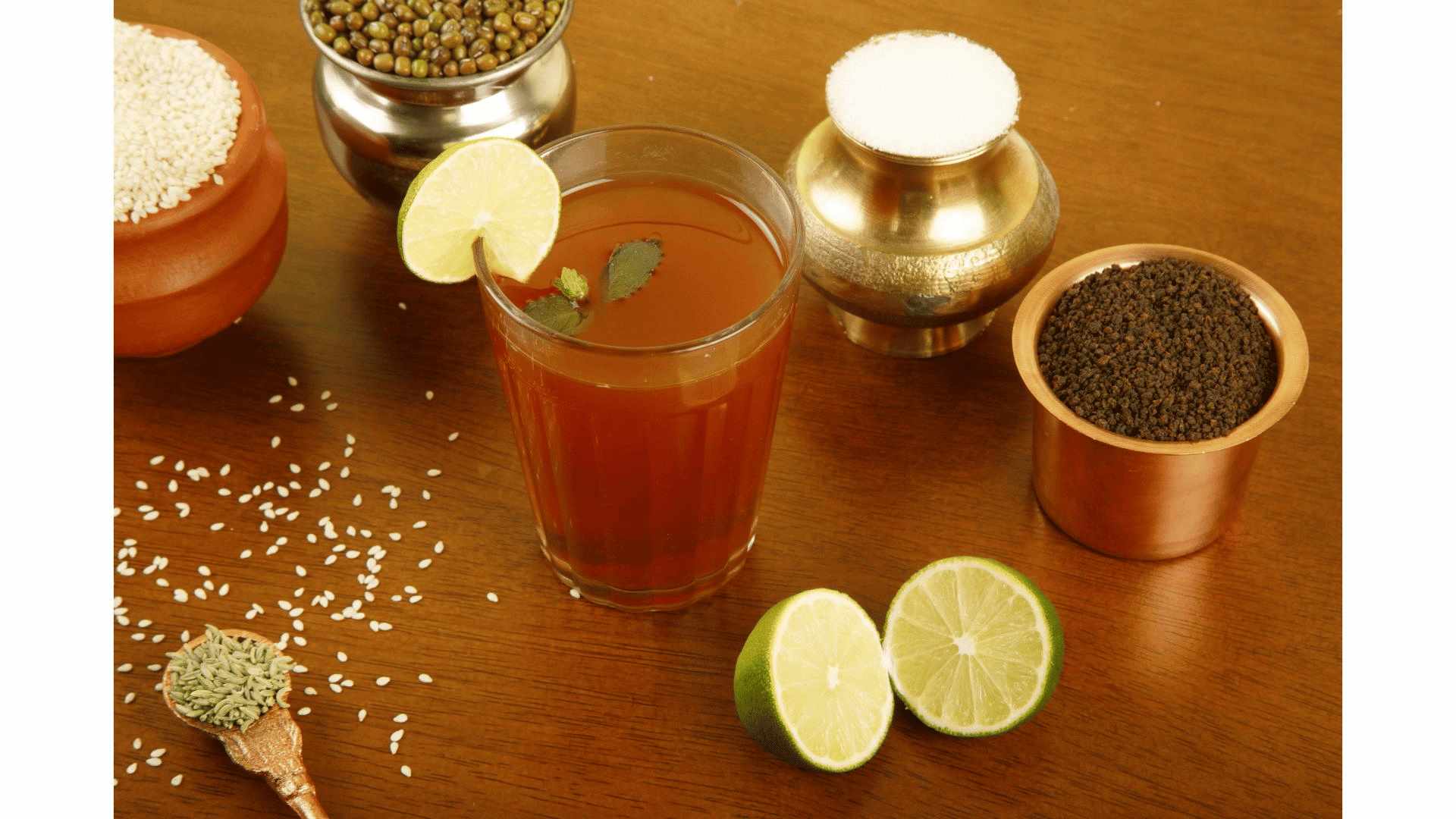
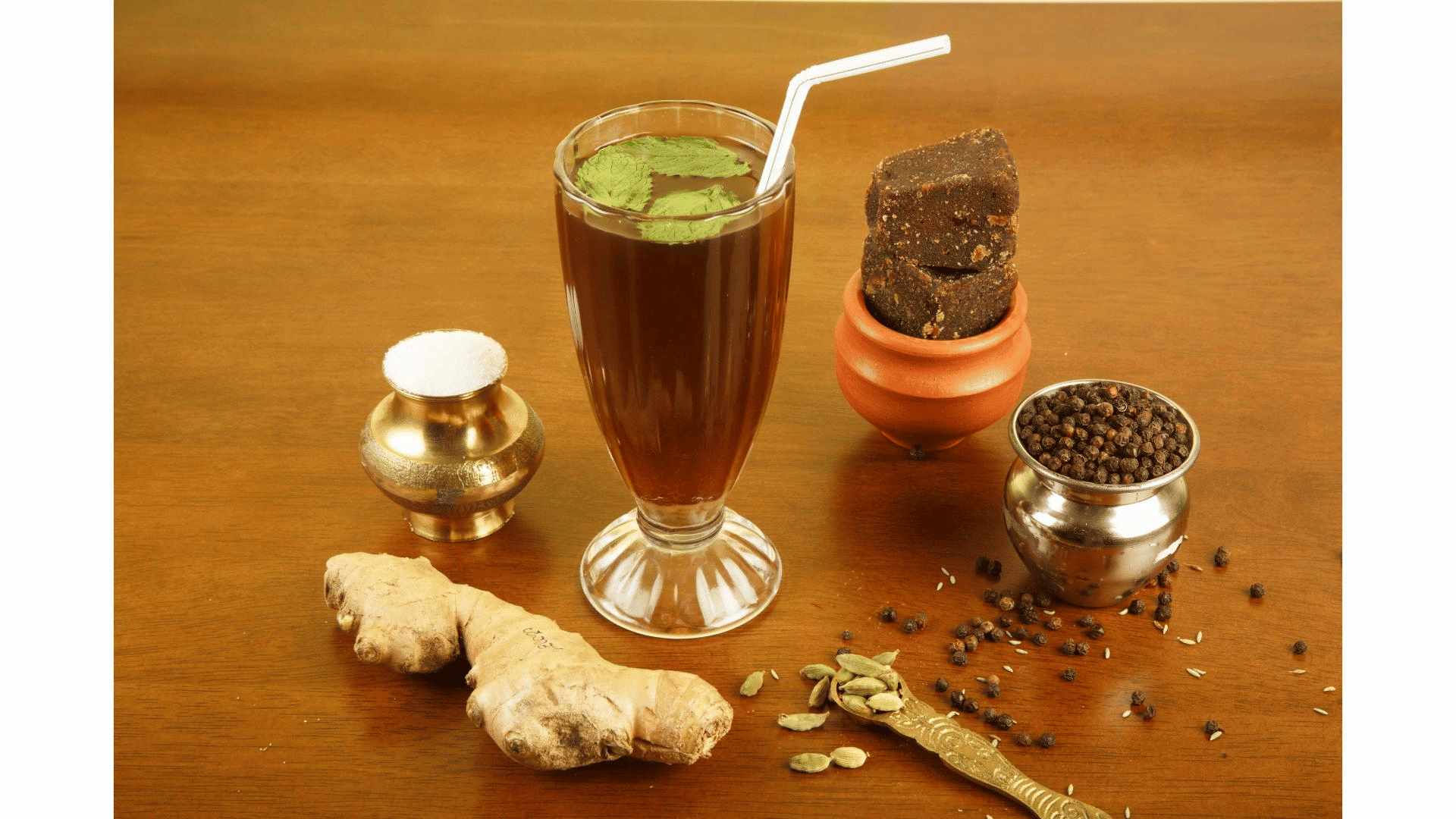
A popular karnataka origin drink that is popular during summer and religious occasions. It is a cool drink made from water, jaggery, cardamom and other spices - definitely recommended over carbonated drinks!
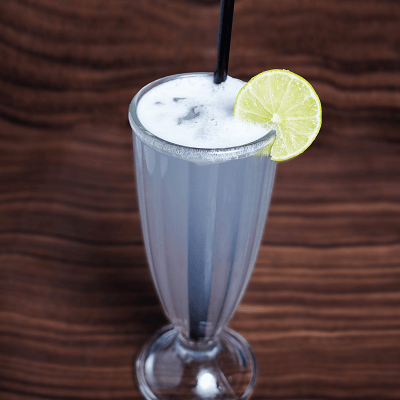
Lemon juice perfect for the hot weather, way better healthy than carbonated drinks!
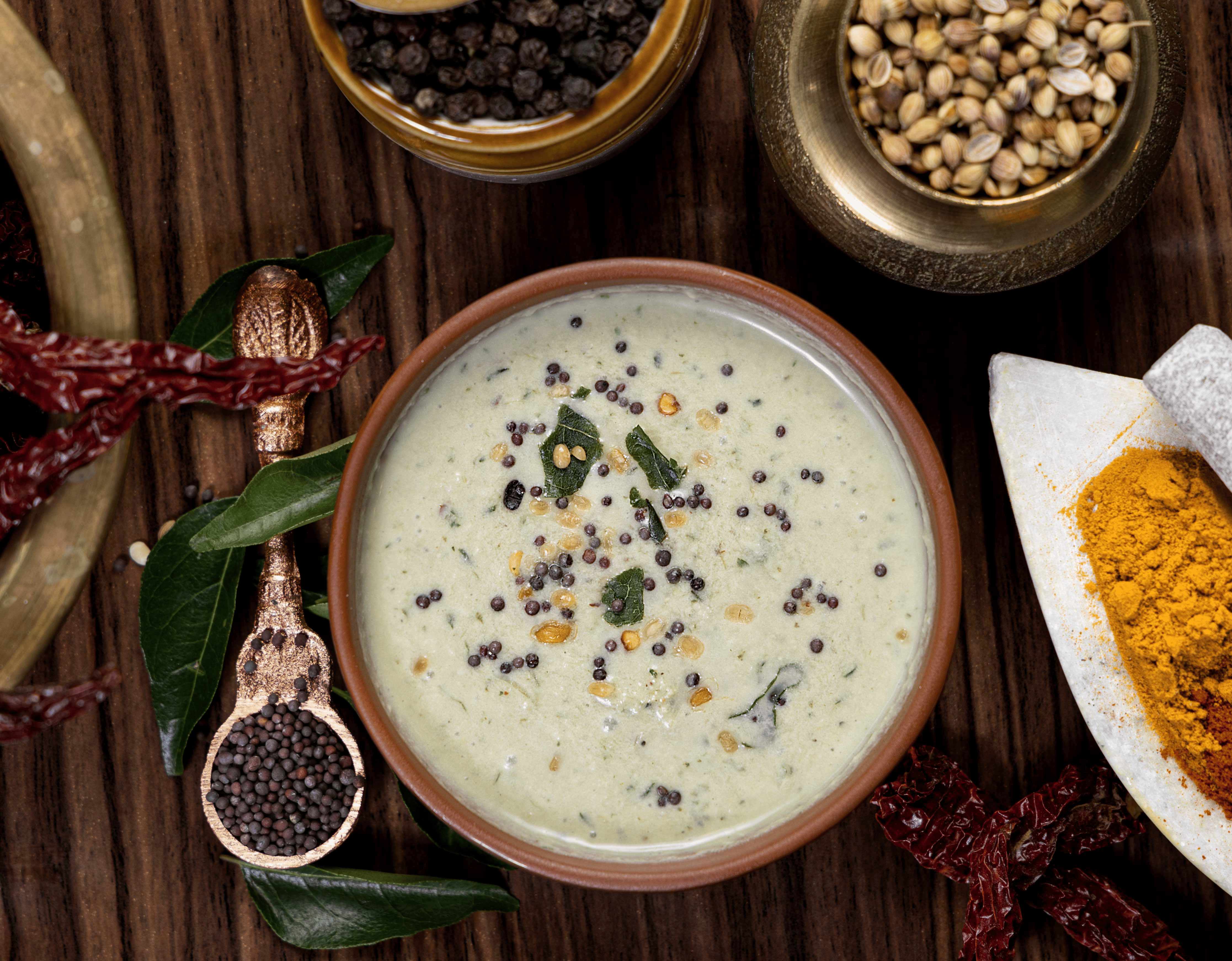
Coconut chutney made with indian coconut, salt, chillies and coriander. It is a standard component of pretty much most foods (dose, idli, uppittu, etc.). To keep it fresh, we make this chutney several times on the same day.
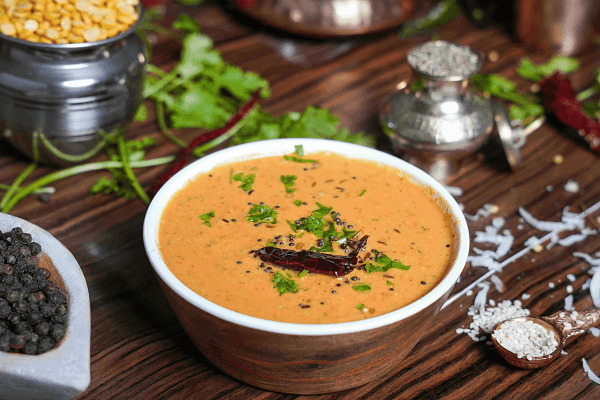
A chutney made using friend lentils, coconut and red chillies. Often eaten with rotti.
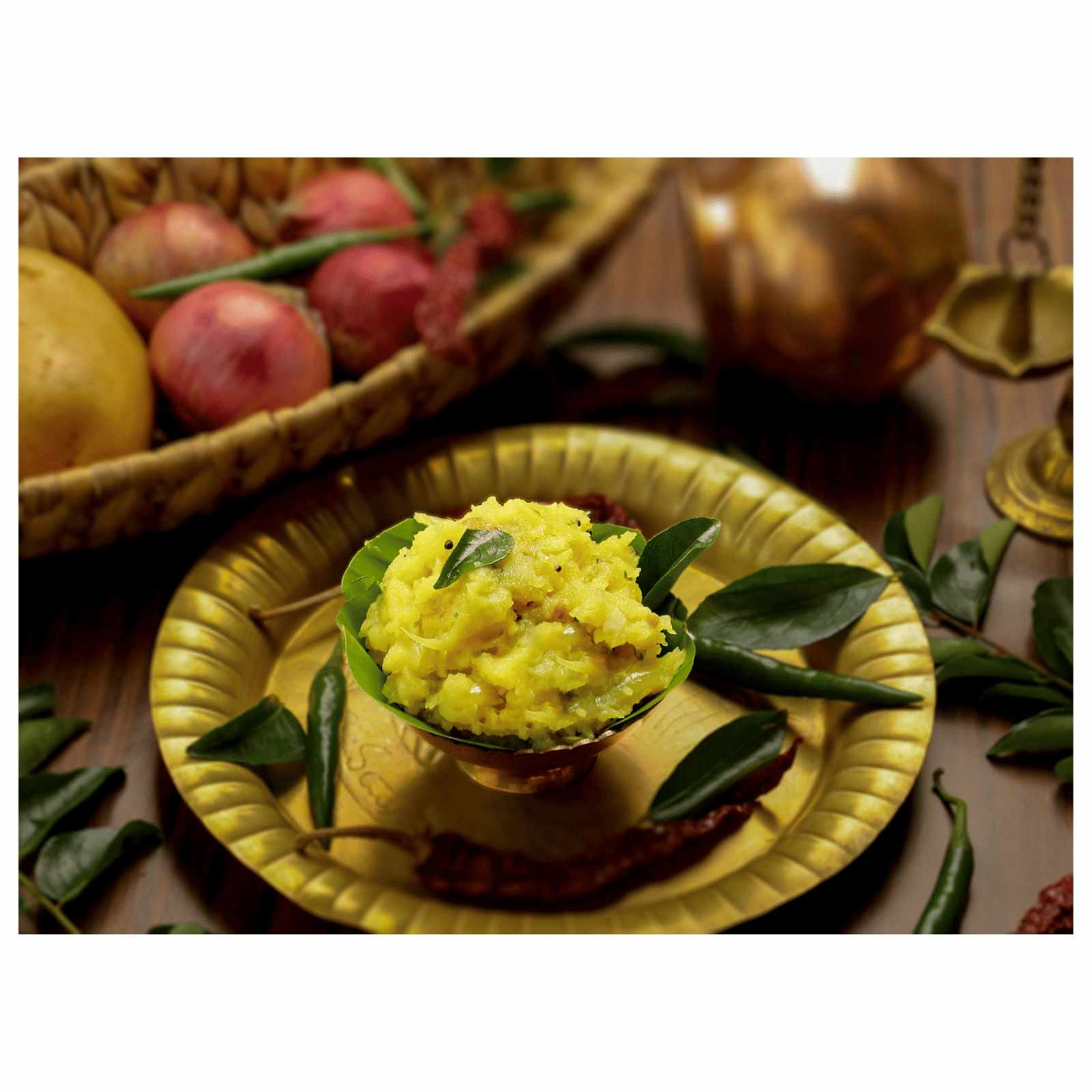
This is a dish made by cooking potato, turmeric, chillies, coriander and salt. Eaten usually with dose and Pōri.
Huļi in kannada (sambar in tamil) is a staple eaten with almost all foods. We cook with fresh vegetables sourced daily and add a little jaggery which is unique to udupi region. You can request the unsweetened version during lunch and dinner times only by specifying in the order details.
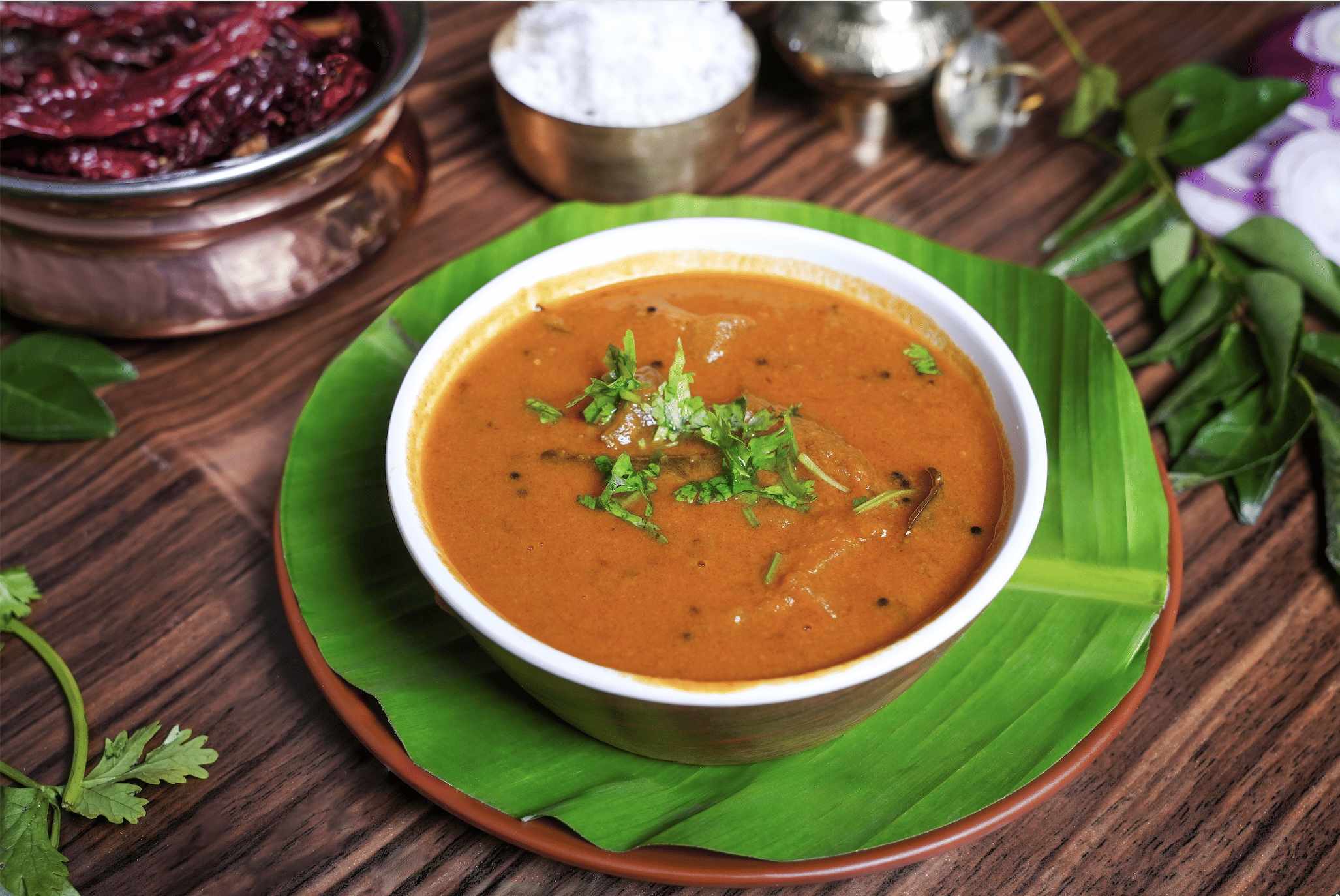
Emirates Water
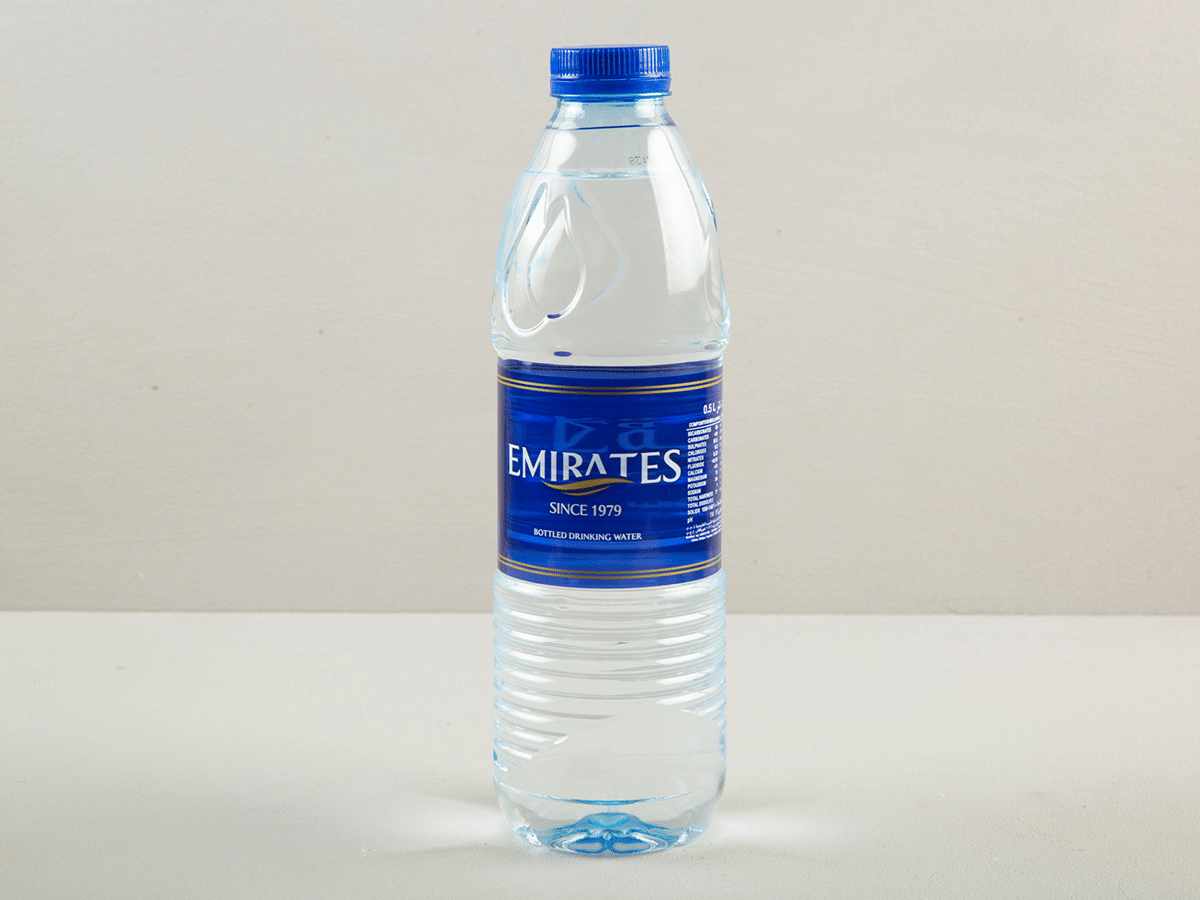
Emirates Water
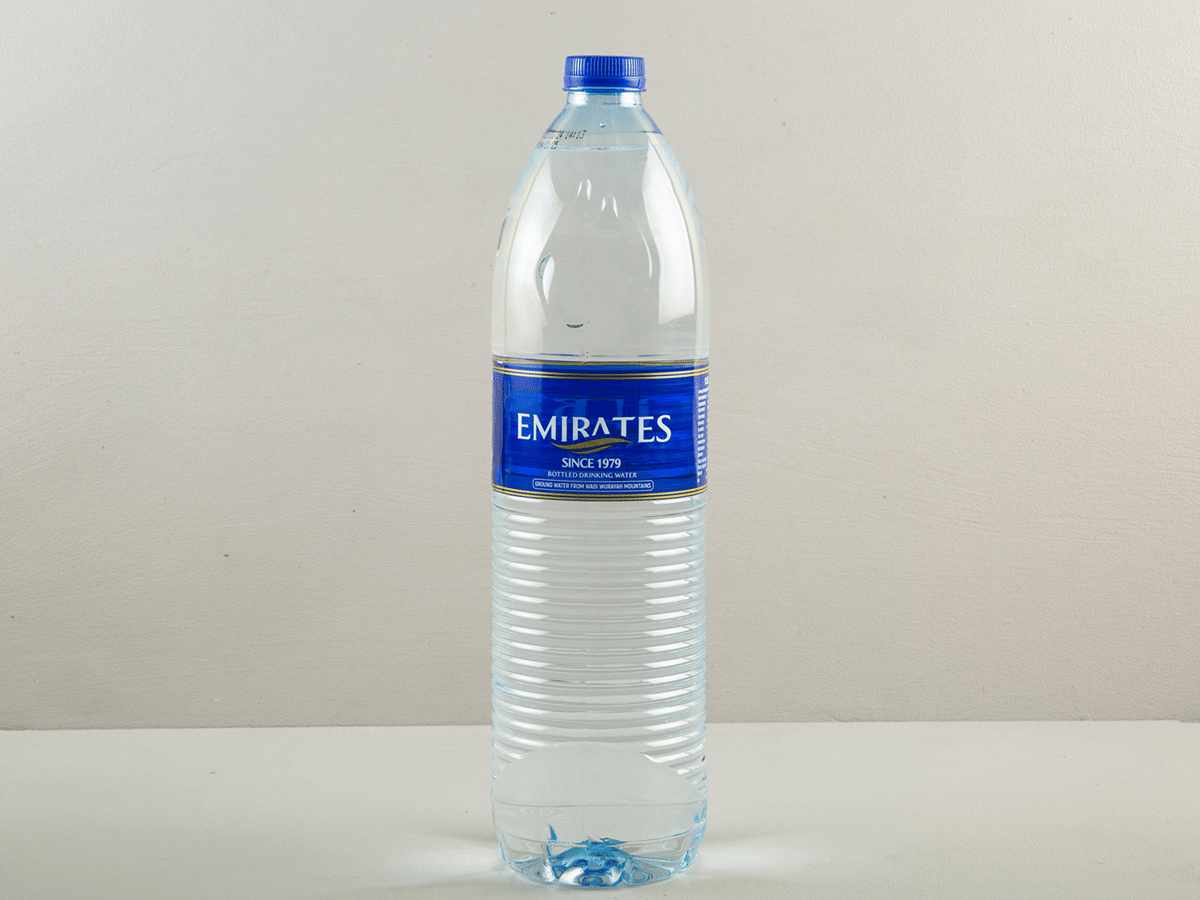
A sticky accompaniment to dosé, chapathi, idli and Pōri. Also called gojju in Mysuru region
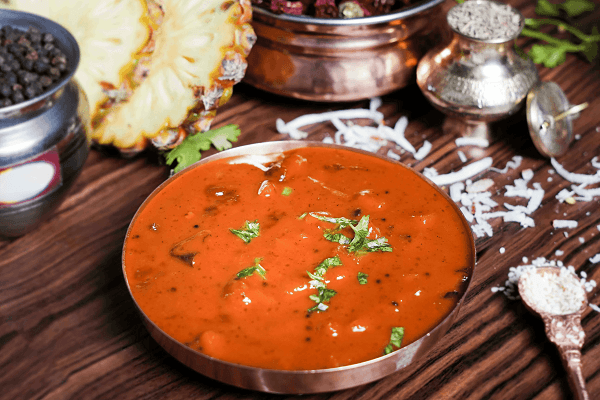
Huļi in kannada (sambar in tamil) is a staple eaten with almost all foods. We cook with fresh vegetables sourced daily and add a little jaggery which is unique to udupi region. You can also select the sweet version any time during the day.
Huļi in kannada (sambar in tamil) is a staple eaten with almost all foods. We cook with fresh vegetables sourced daily and add a little jaggery which is unique to udupi region. You can request the unsweetened version during lunch and dinner times only by specifying in the order details.
Huļi in kannada (sambar in tamil) is a staple eaten with almost all foods. We cook with fresh vegetables sourced daily and add a little jaggery which is unique to udupi region. You can also select the sweet version any time during the day.
A delicious Karnataka sweet
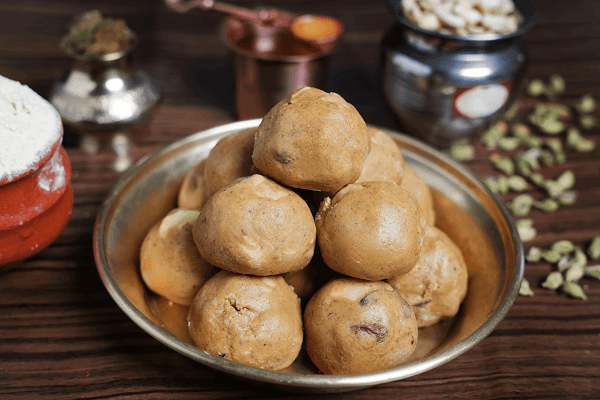
A delicious Karnataka sweet
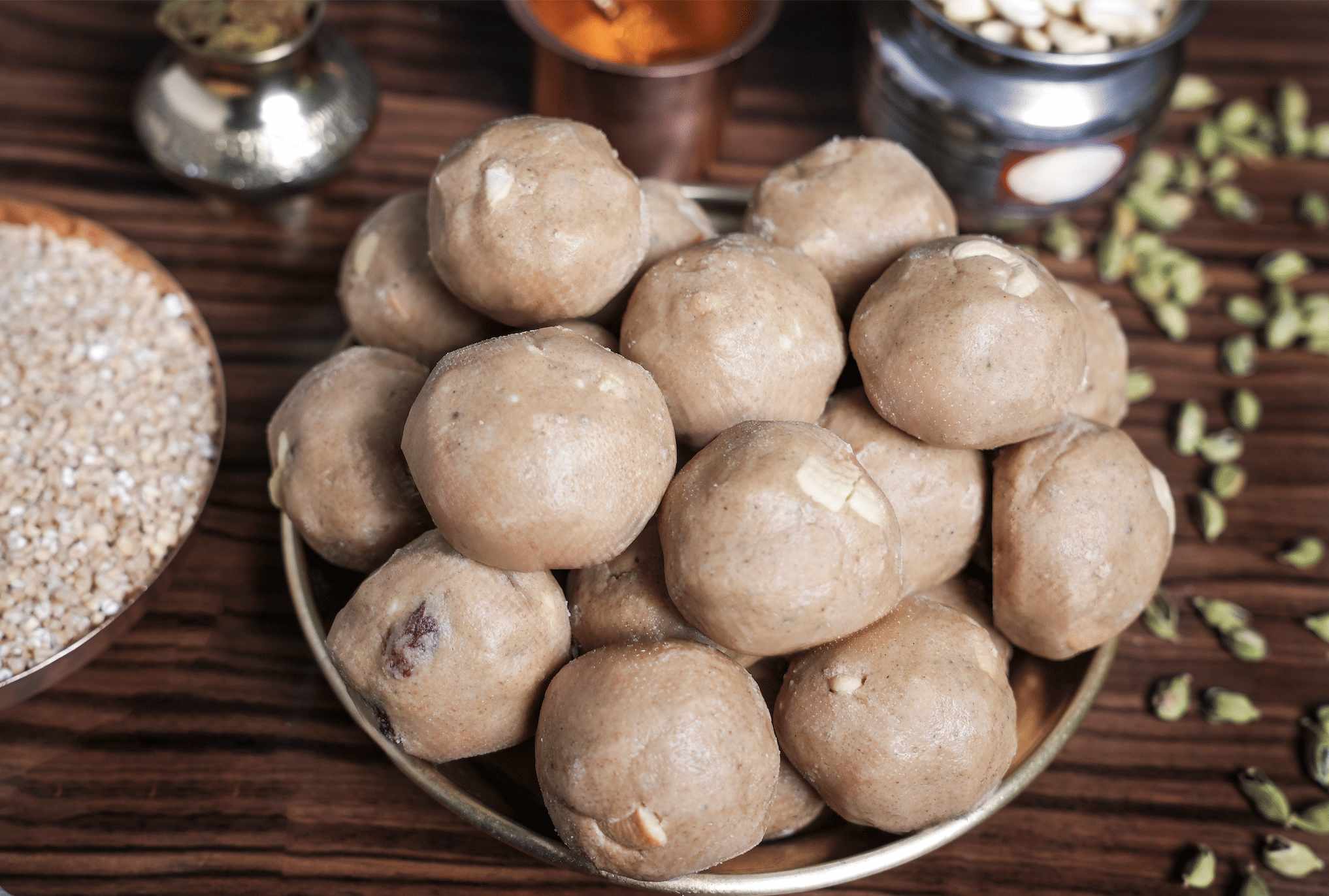
Grated pineapple or bottlegourd which is boiled with sugar and cardomom added to taste.
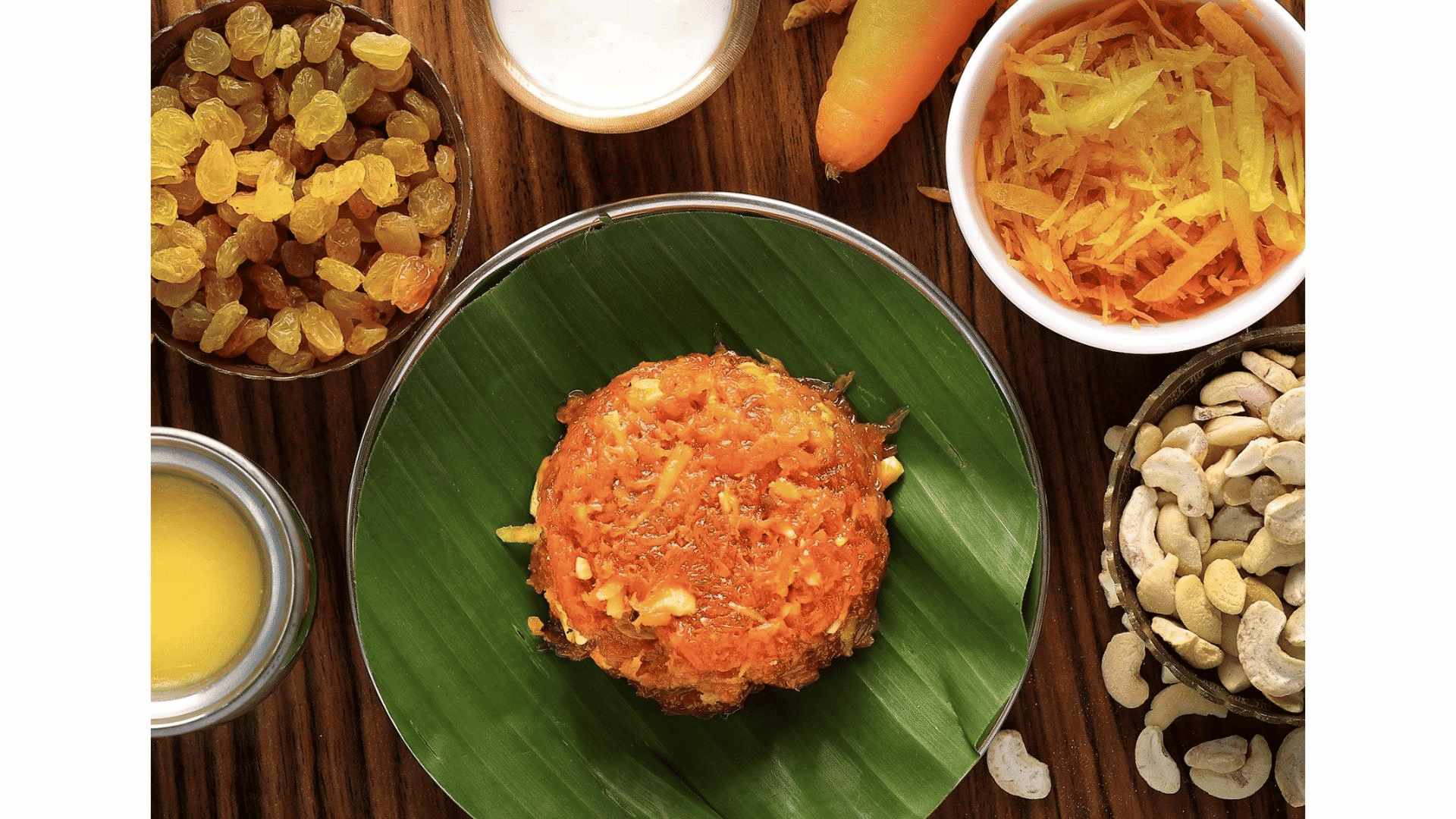
A sweet crepe that is made usually with coconut and usually eaten during festivals. Extremely tasty with ghee.
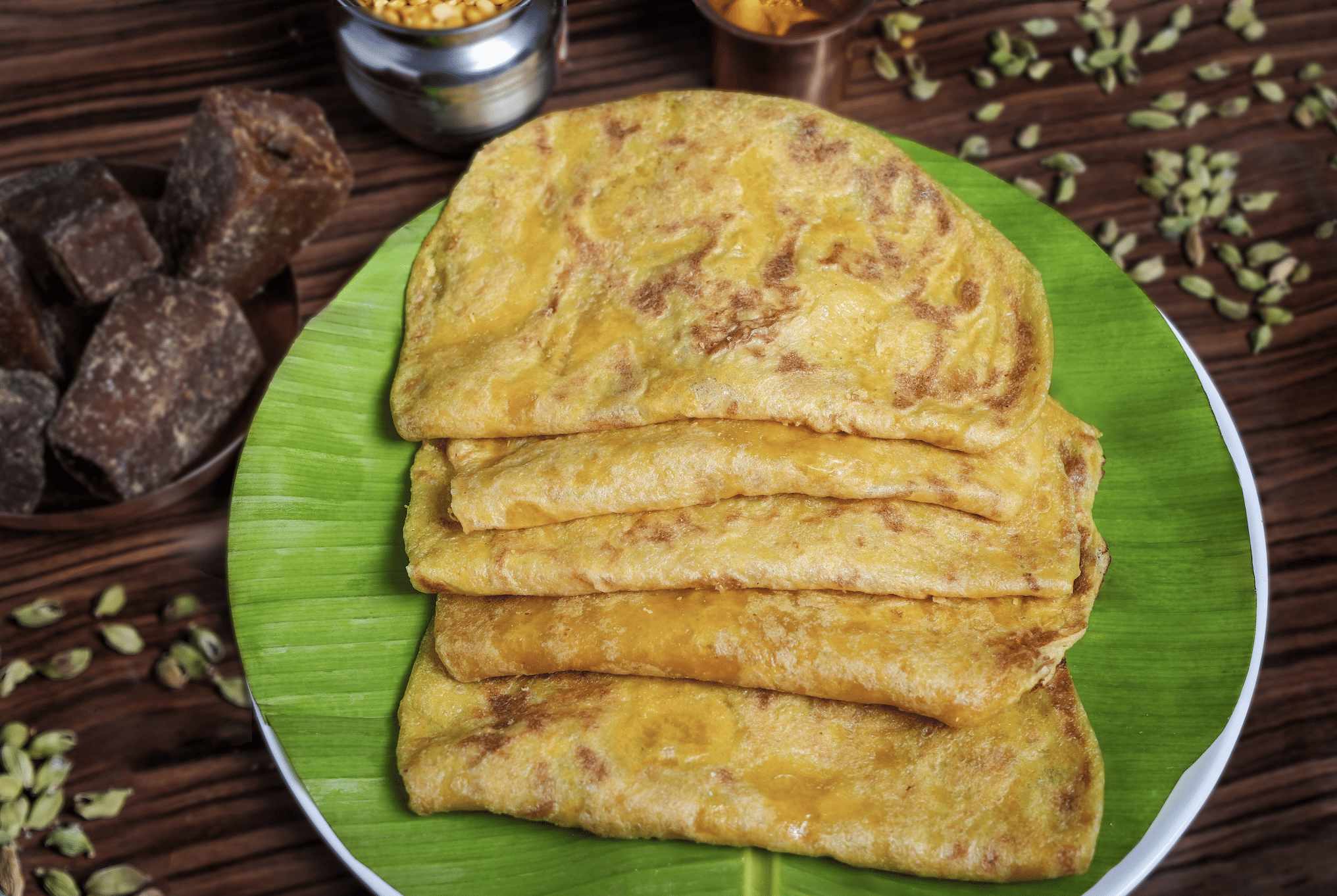
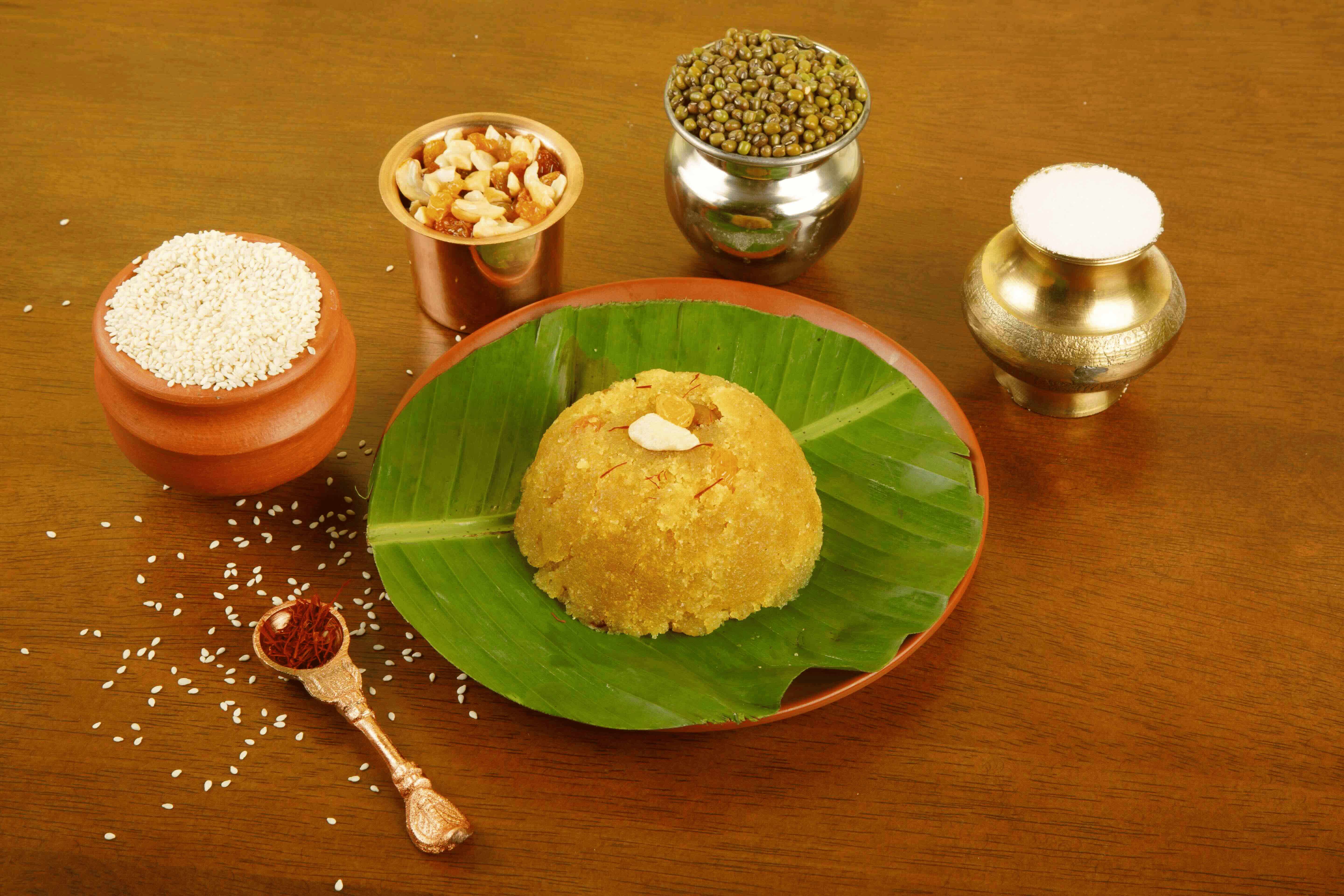
Called Kesaribath in Bangalore - Mysore region, this sweet semolina based dish is made with jaggery instead of sugar.
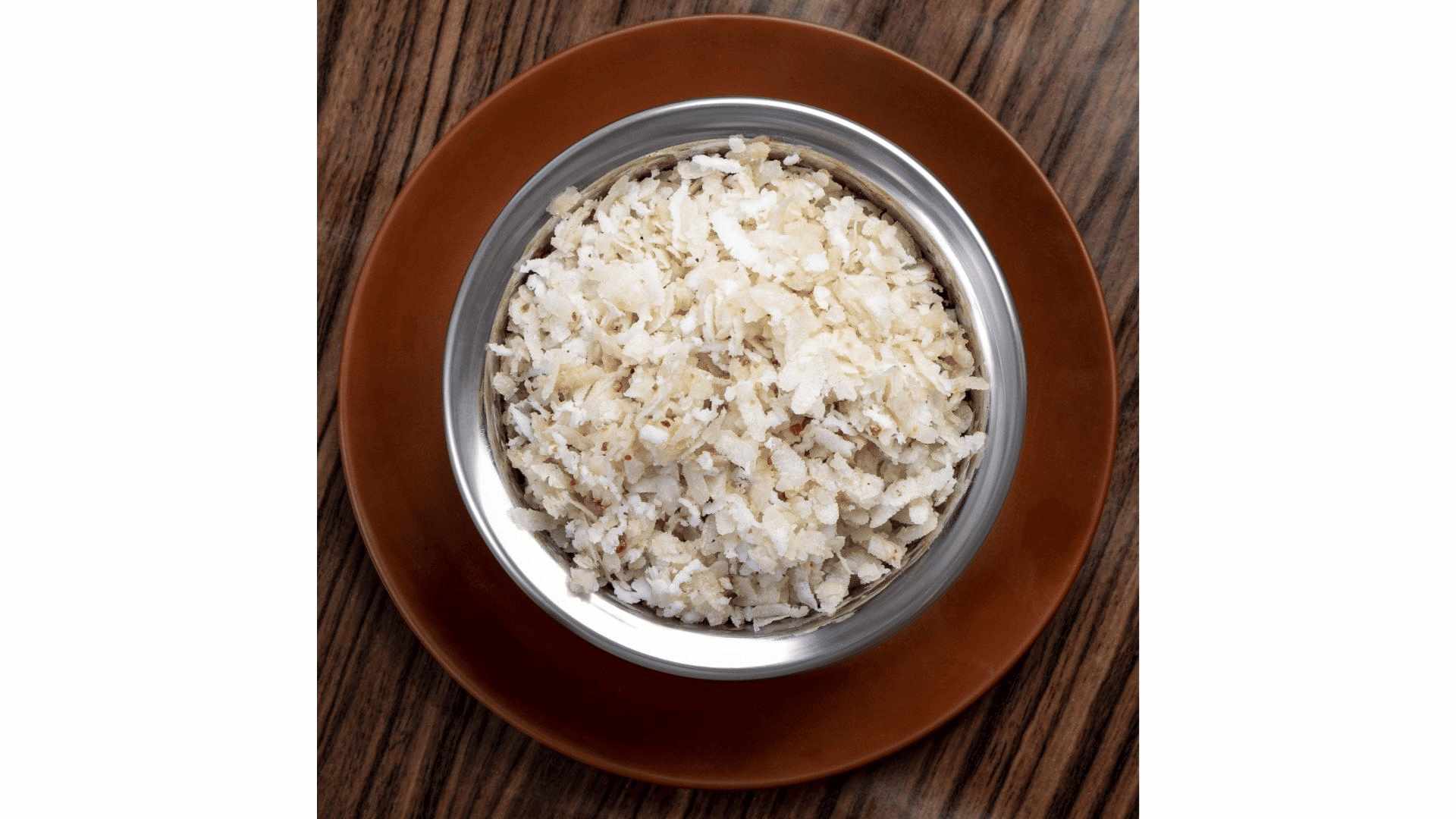
Flattened rice is soaked in water to make it soft, then mixed with jaggery, grated coconut.
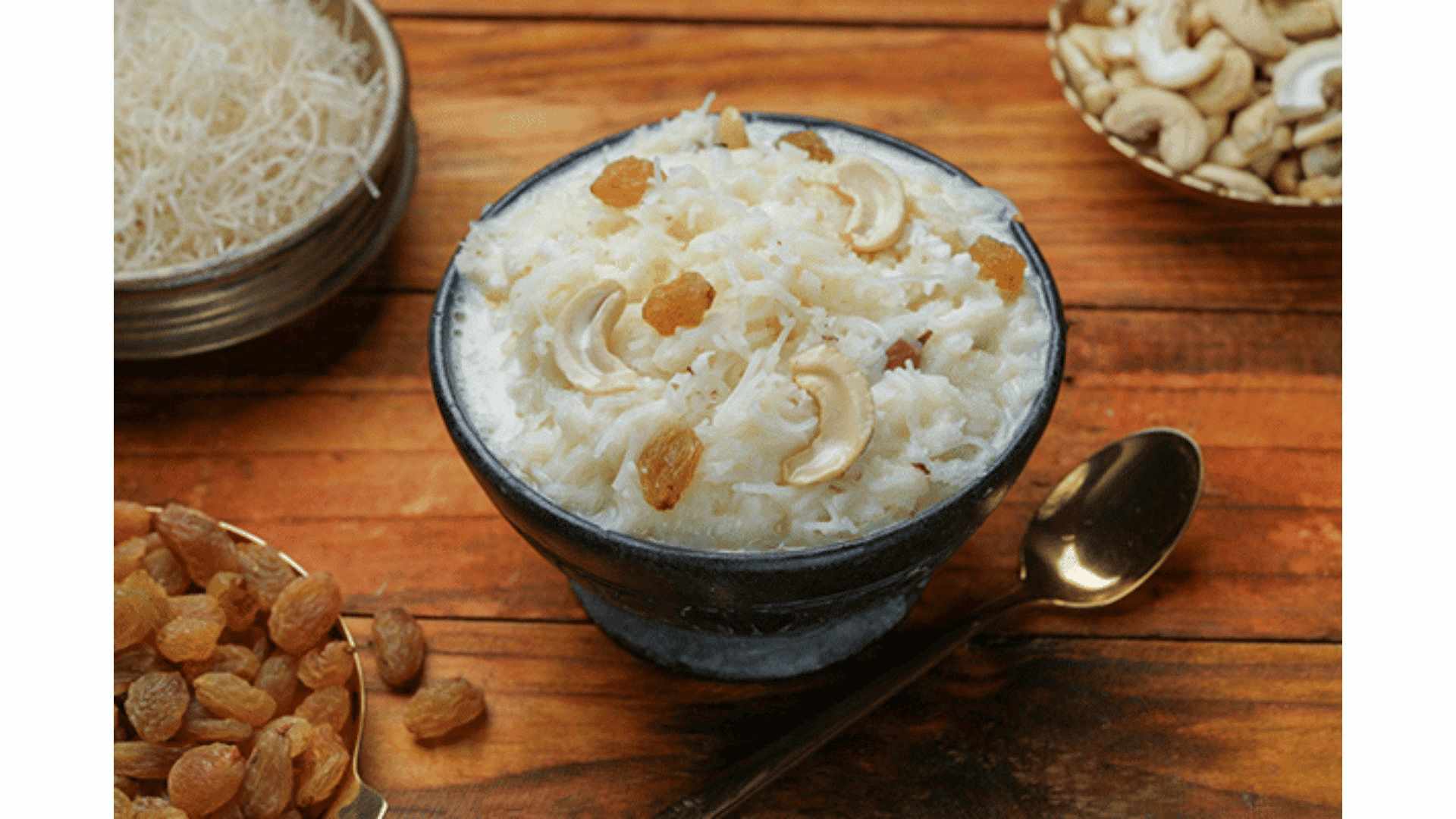
Vermicilli is soaked in water and then grated jaggery added to it, along with cardomom and cashewnuts.
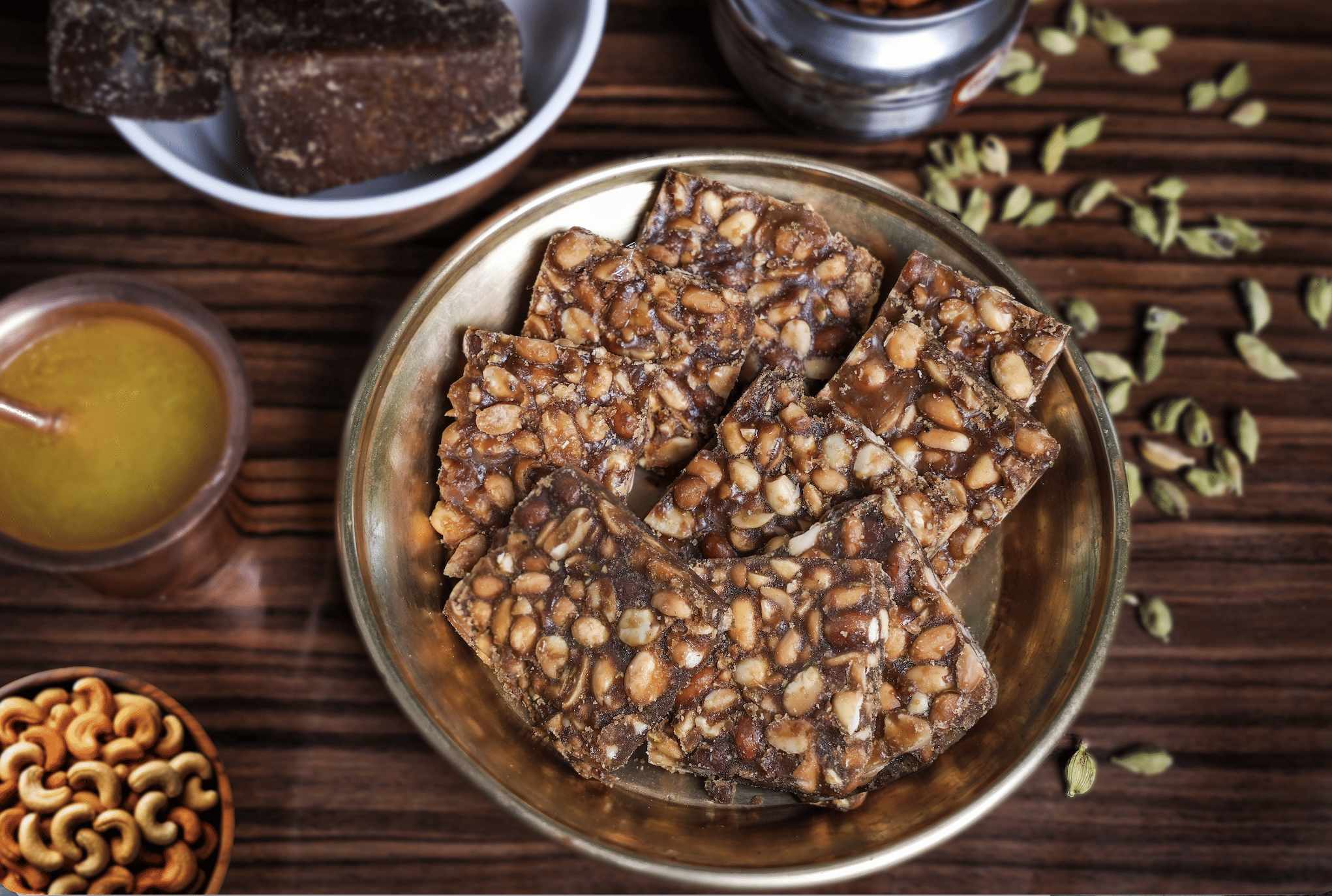
A classic barfi made wih peanut and jaggery (not glucose powder as is in most shops)
A small barfi that is made from flour and sugar.
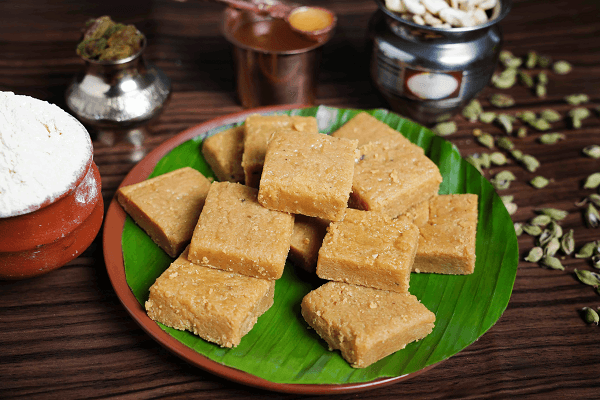
A sweet crepe that is made usually with lentil and usually eaten during festivals. Extremely tasty with ghee.
A sweet that is eaten either on its own, or usually as an accompaniment to lunch / dinner. We change the ingredients regularly - sometimes made from sabbakki, vermicilli, etc.
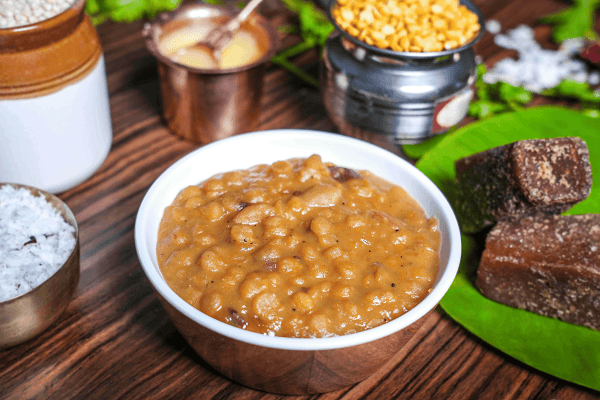
Called Kesaribath in Bangalore - Mysore region, this sweet semolina based dish is made with pineapple or banana depending on the time of day.
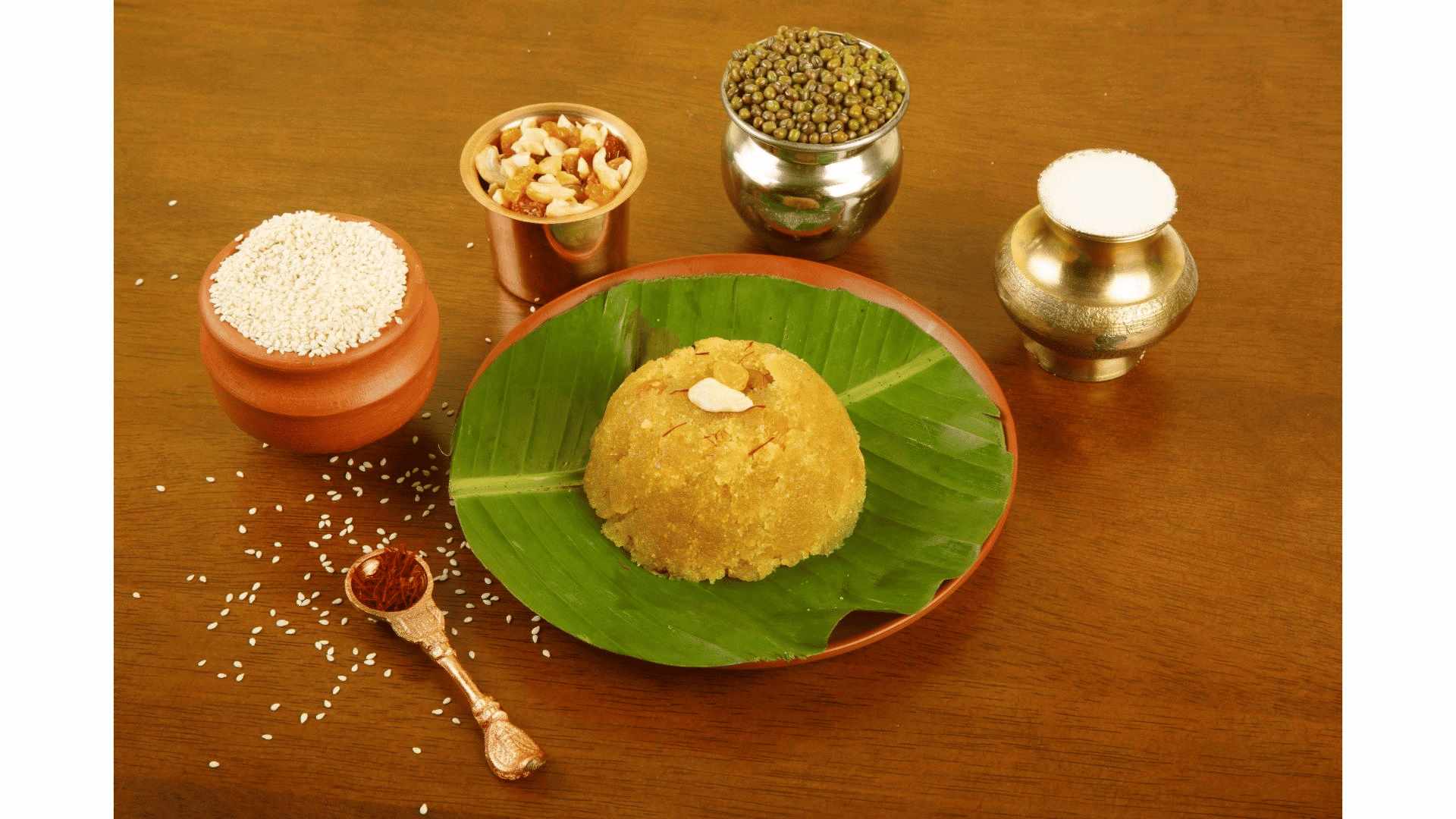
Invented in Mysore, this sweet is 50g pieces but unlike the North Indian version, it is harder and less ghee.
Traditional indian spices made in our restaurant.
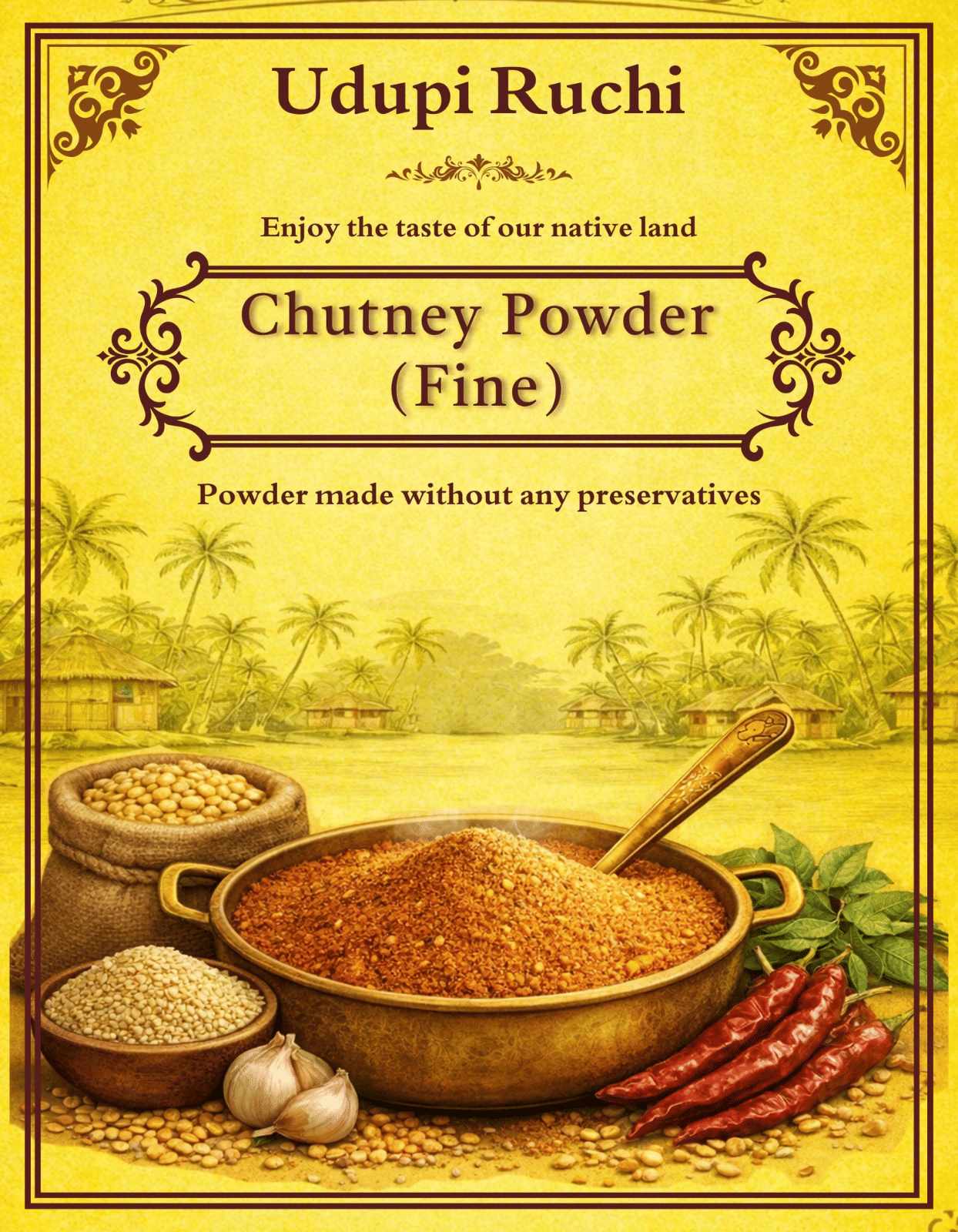
Traditional indian spices made in our restaurant.
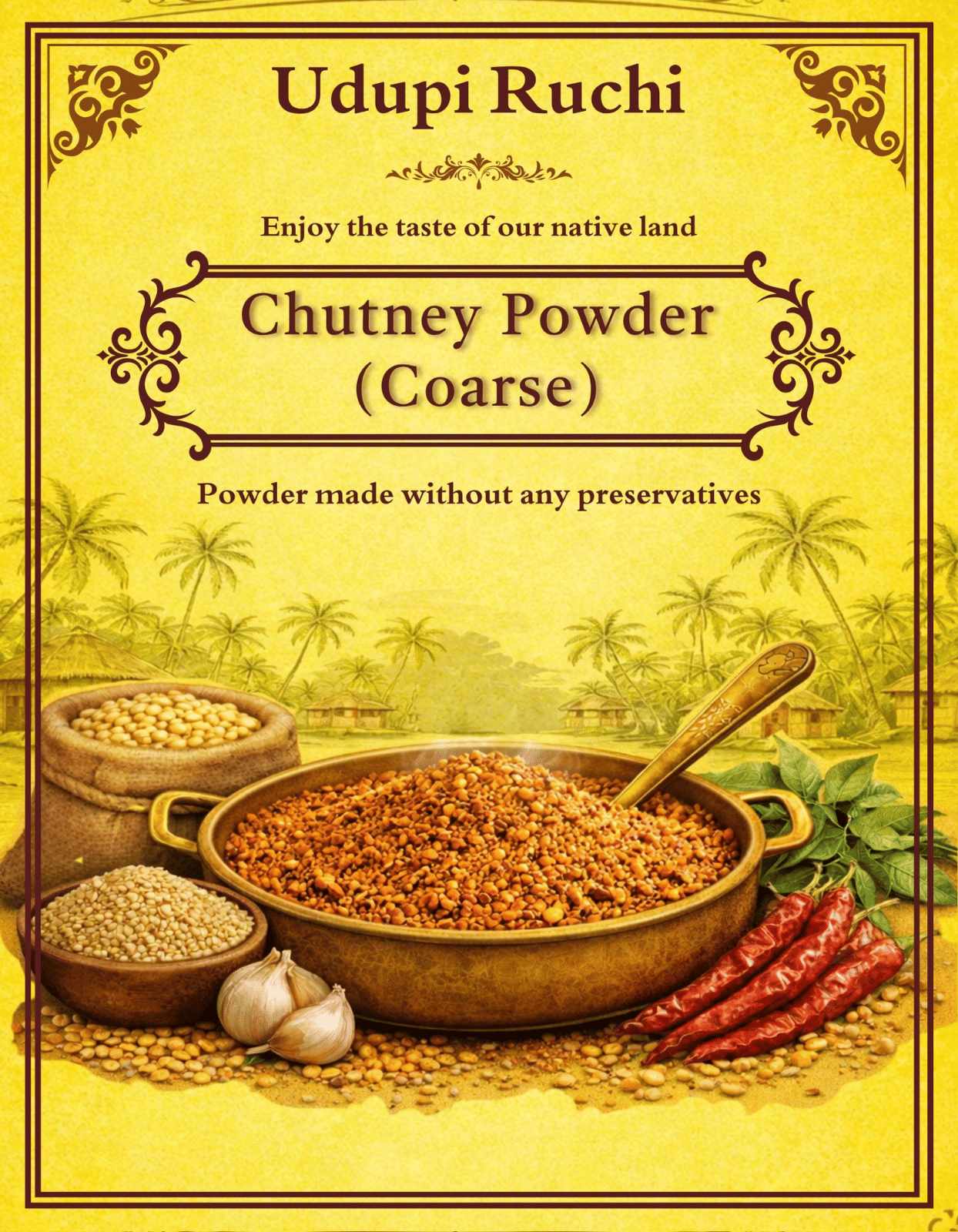
Traditional indian spices made in our restaurant.
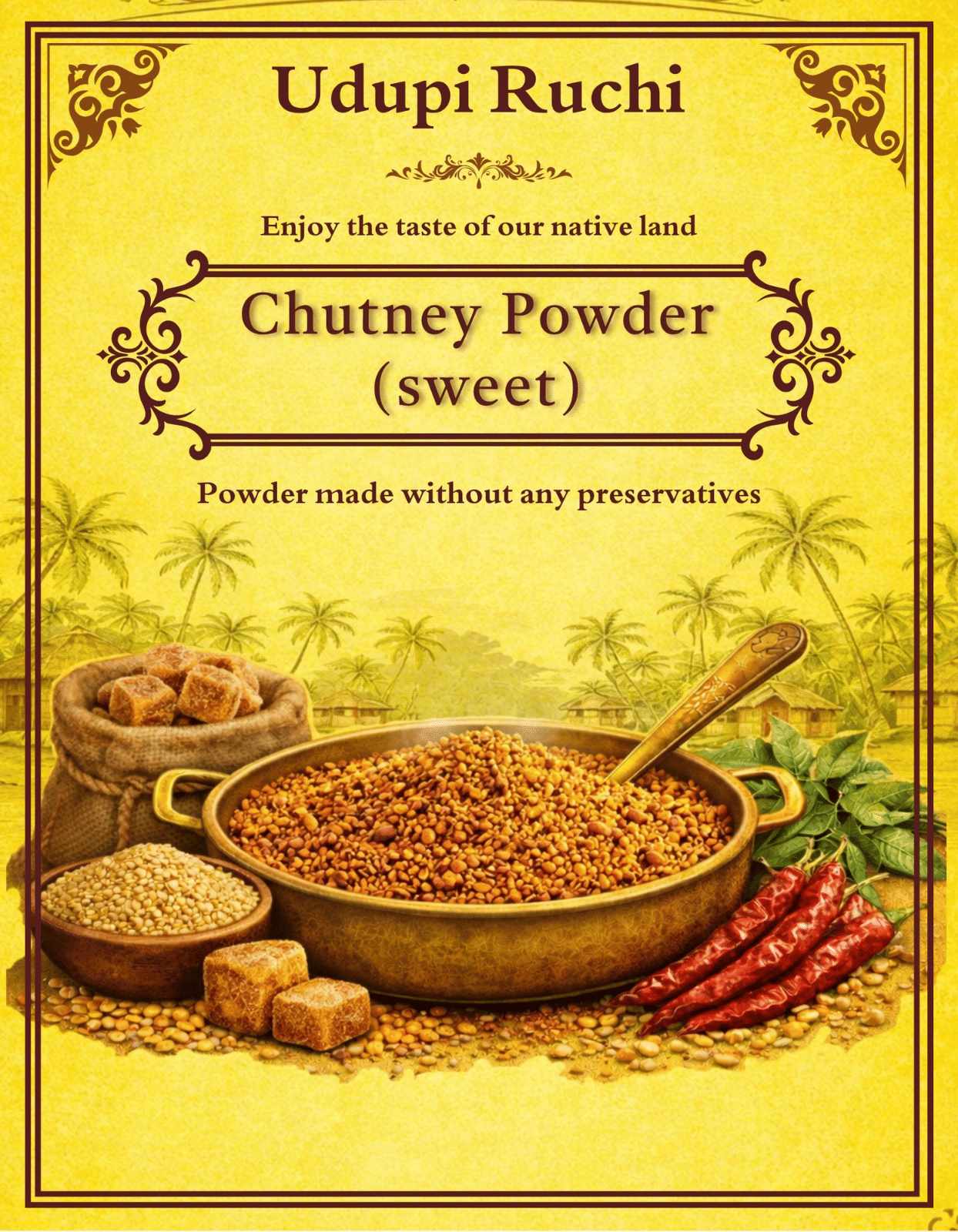
Traditional indian spices made in our restaurant.
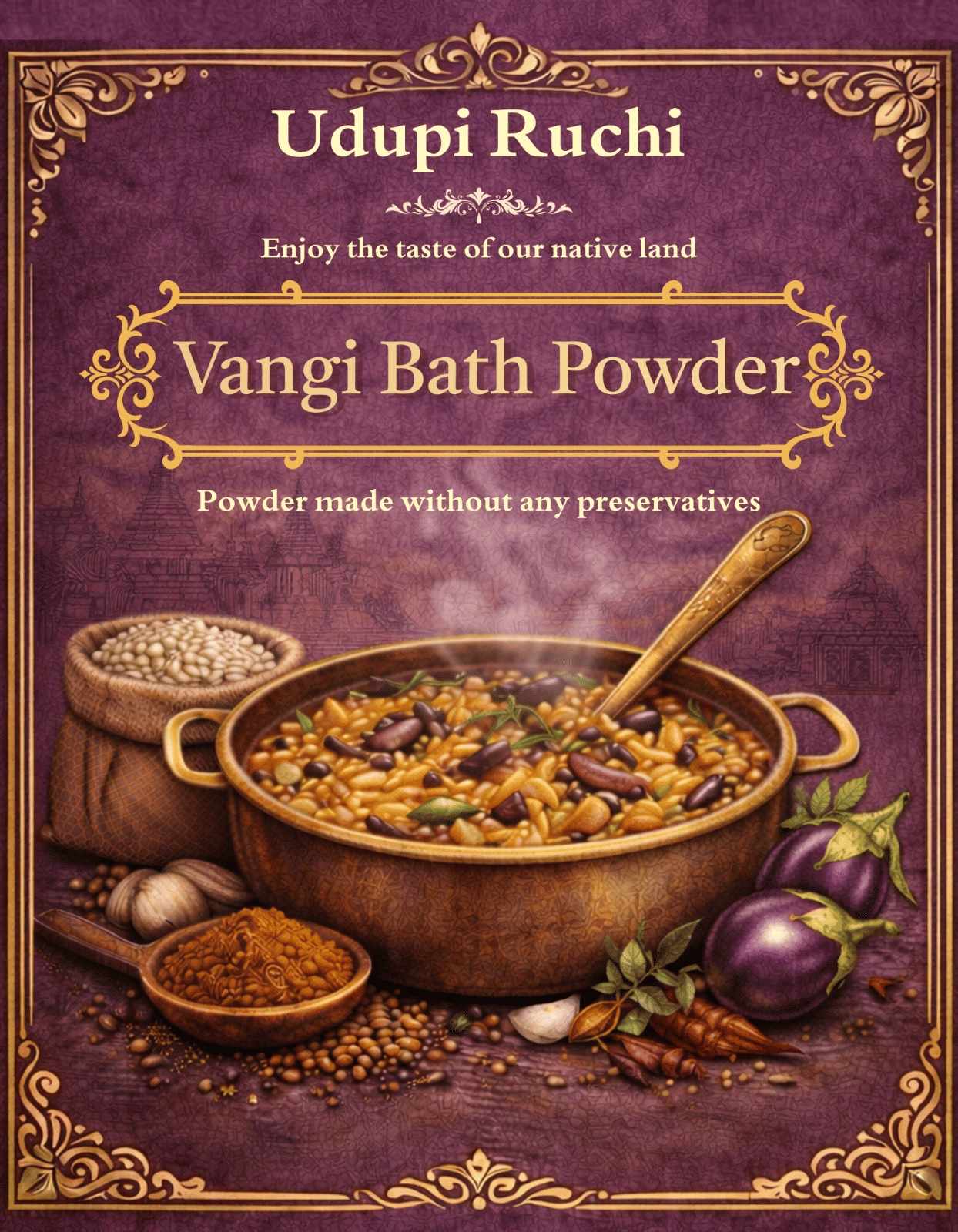
Traditional indian spices made in our restaurant.
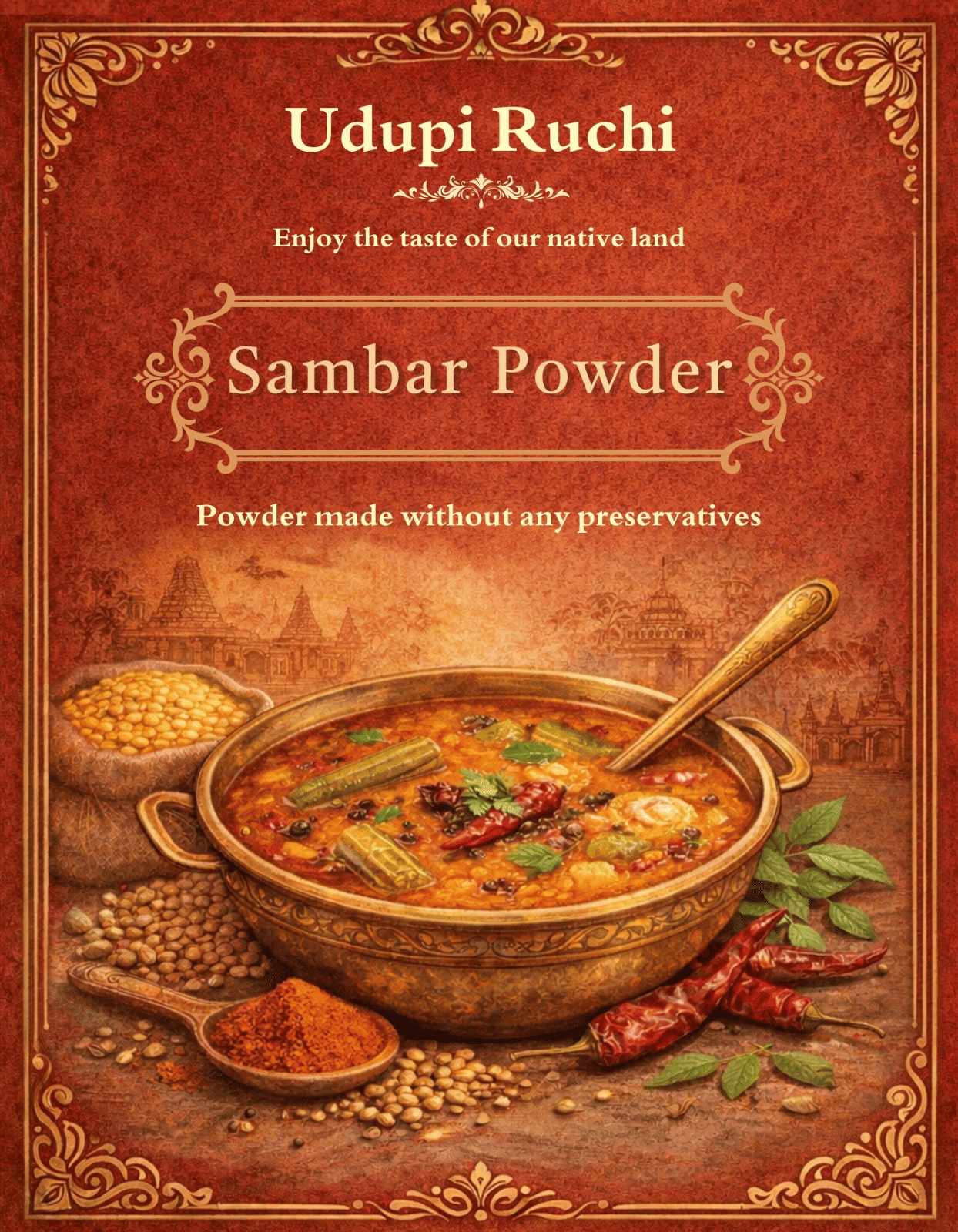
Traditional indian spices made in our restaurant.
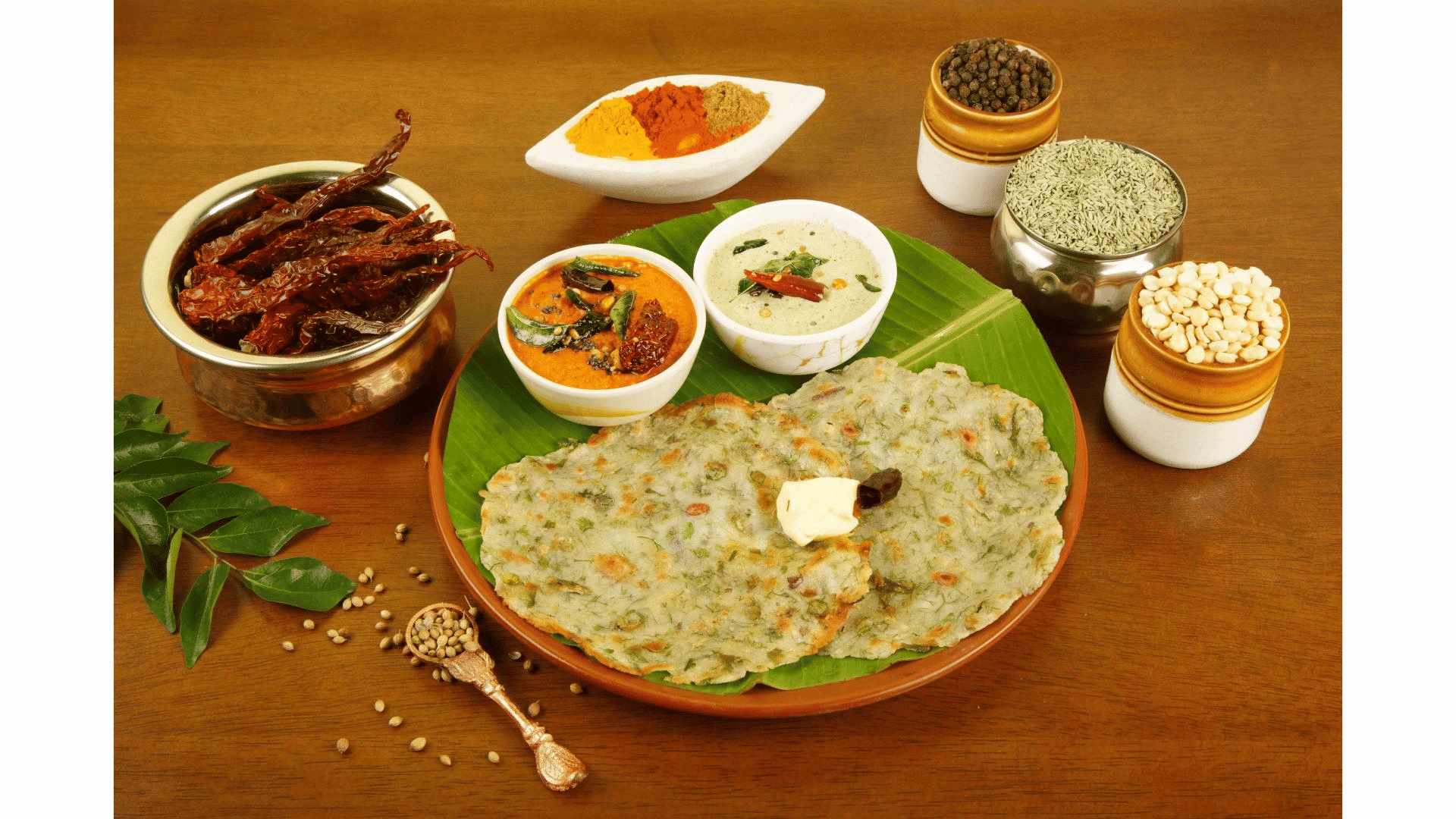
A finger millet bake, burnt on the pan with oil (both sides). We also add cumin seeds, salt, chopped chillies and coriander. Ragi is considered a healthier option. Served with Kadalebele chutney.
A rice bake, burnt on the pan with oil (both sides). We also add cumin seeds, salt, chopped chillies and coriander. Served with Kadalebele chutney.
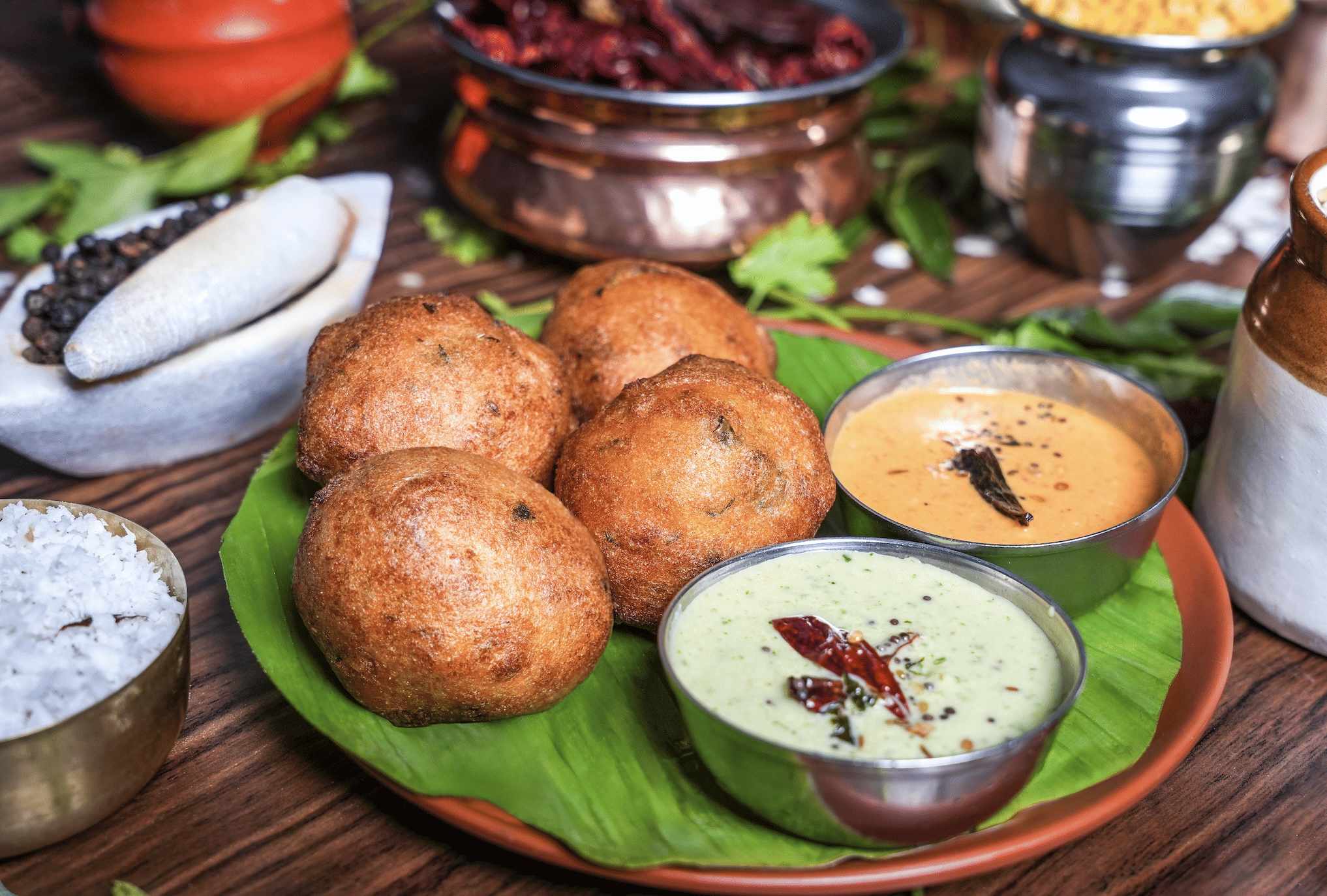
A dish unique to Udupi region.
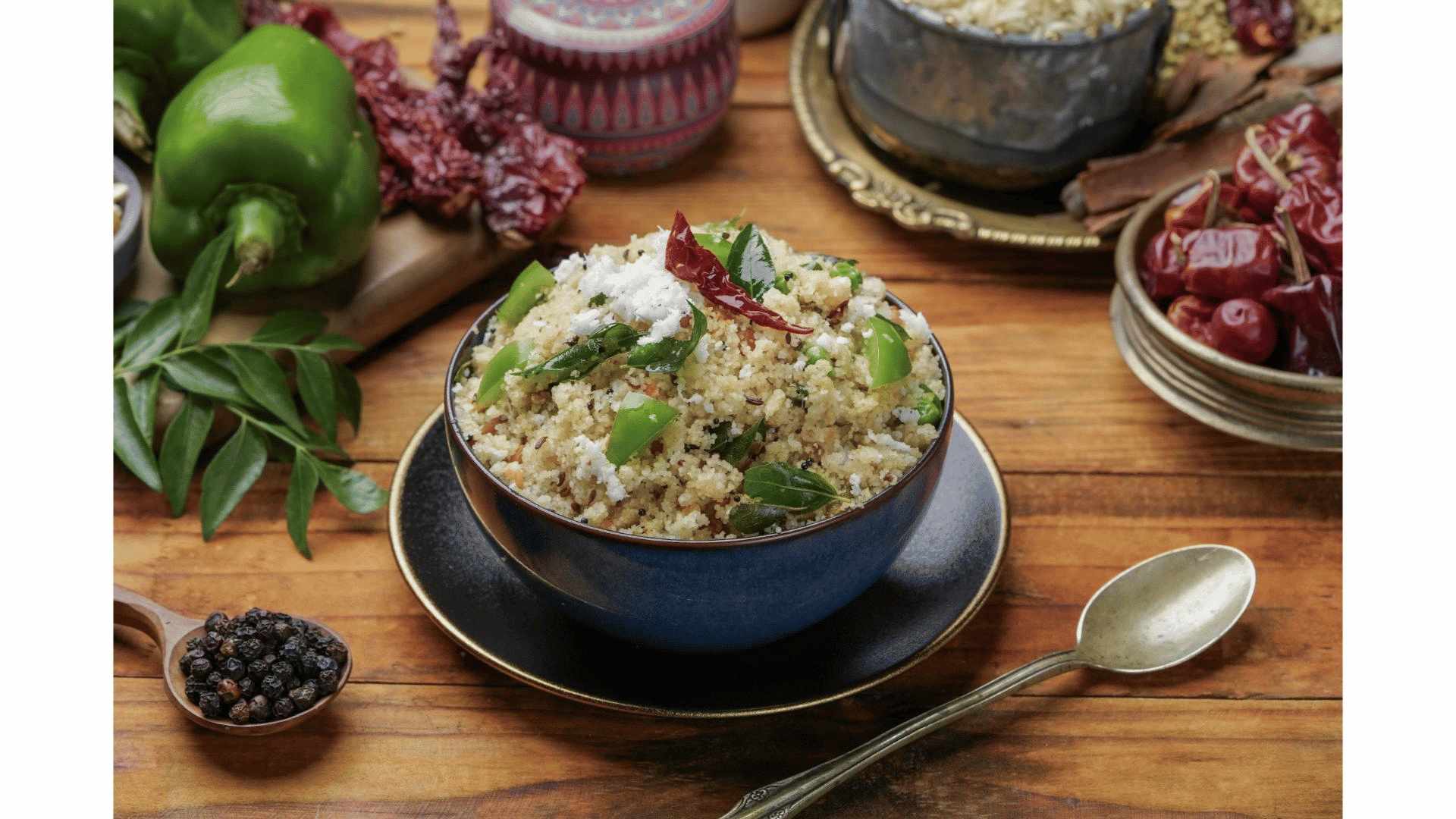
A variant of the upma but concentration of spices. Served with chutney.
A variant of the upma but concentration of vegetables. Served with chutney.
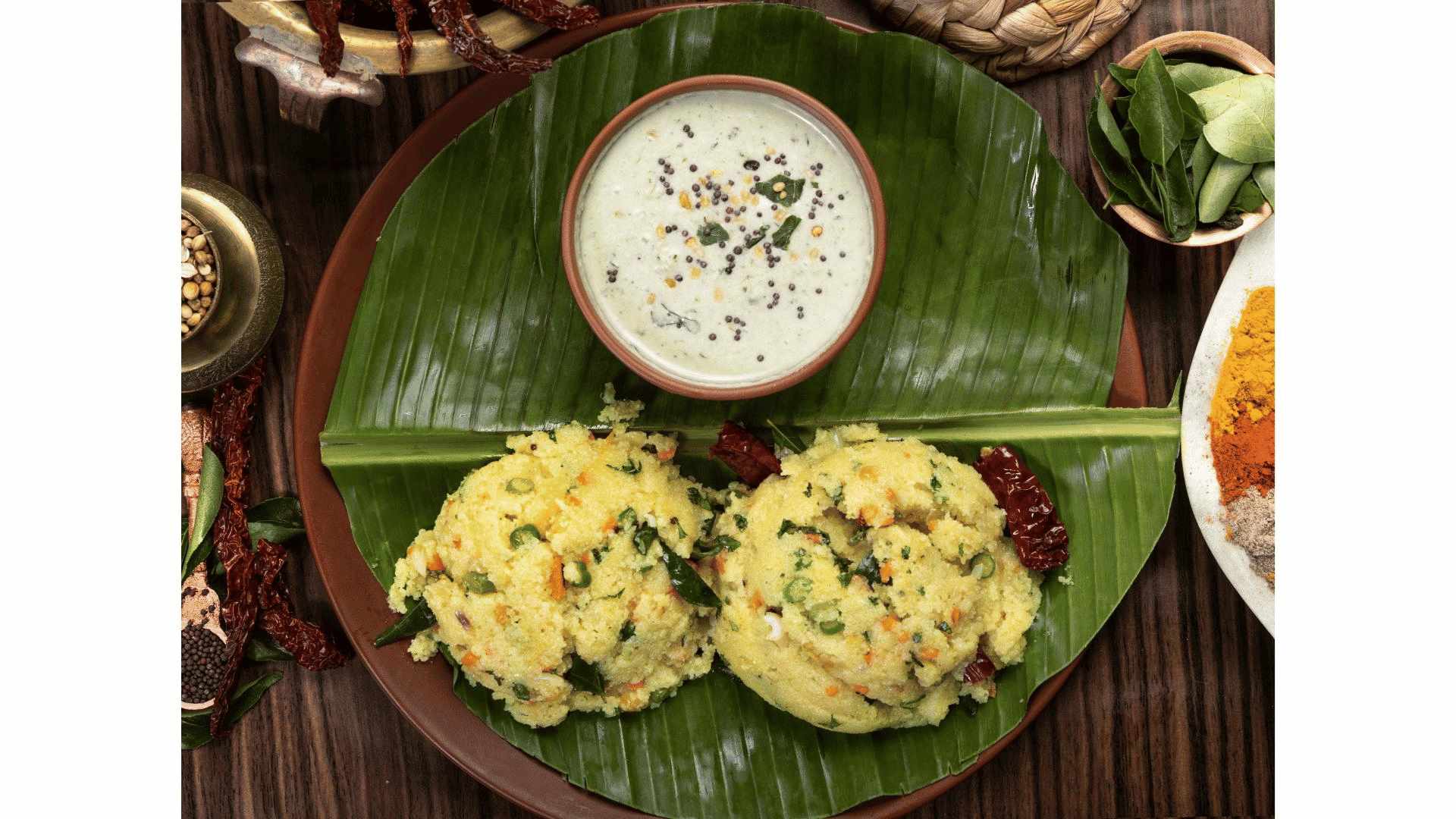
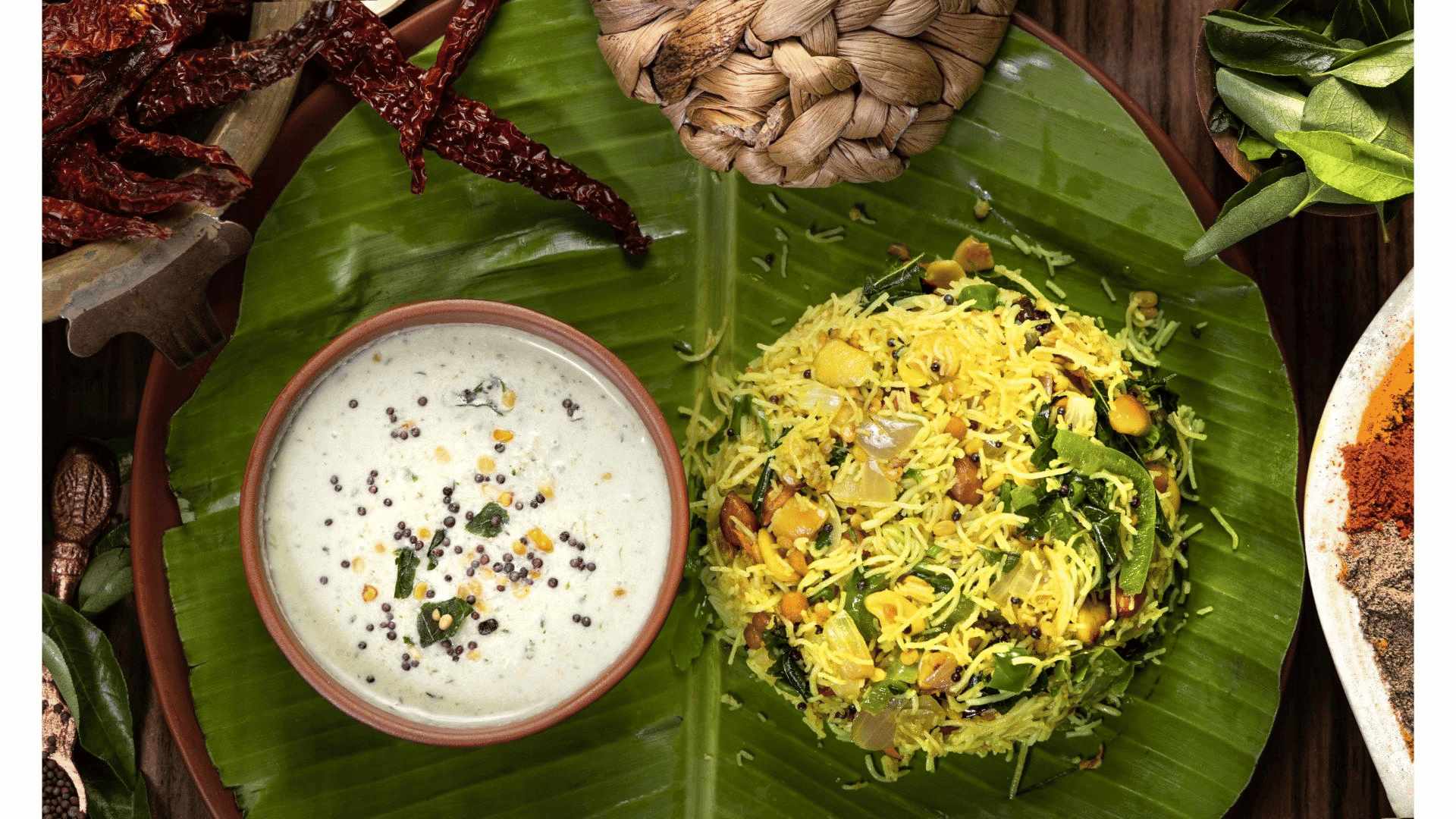
Vermicilli is soaked in water and then tossed with vegetables such as capsicum, coriander, green chillies. Served with chutney.
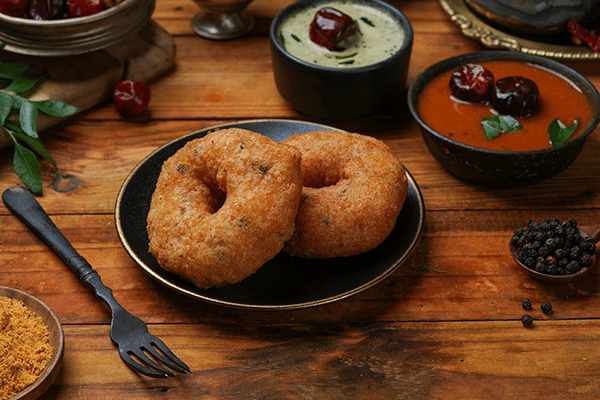
Two sweet fried breads (called Mangalore Buns) made with mashed bananas, flour, sugar and spiced with a touch of ground cumin. A unique dish from the South Canara region, is eaten with coconut chutney and sambar. Please note that this item contains baking soda.
Eaten often with idli, uppittu or on its own, this is a deep fried item made of urud dal and spices.
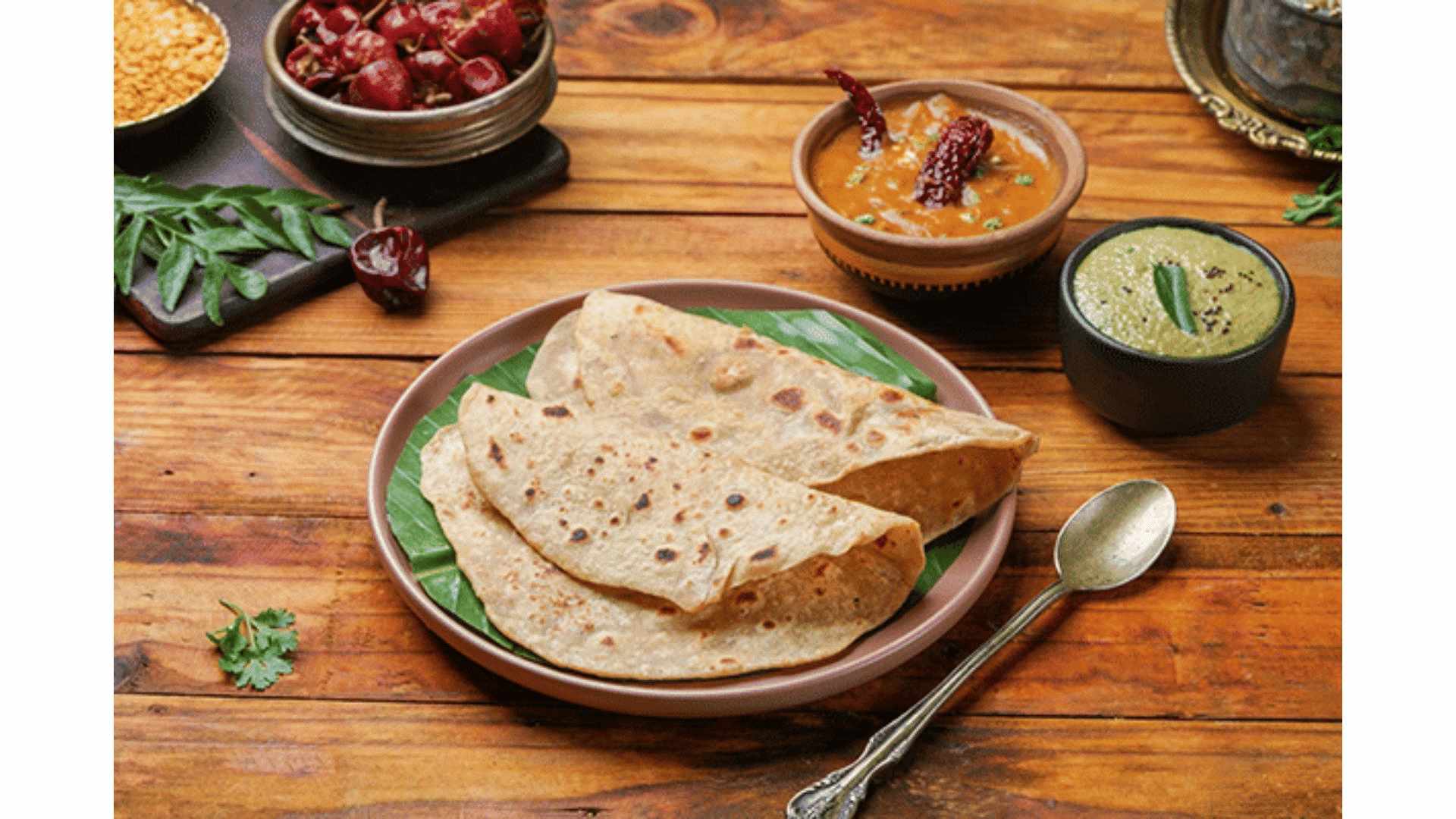
Chapați is made of wheat flour and is baked on a hot plate. Saagu refers to a side dish made with vegetables and spices.
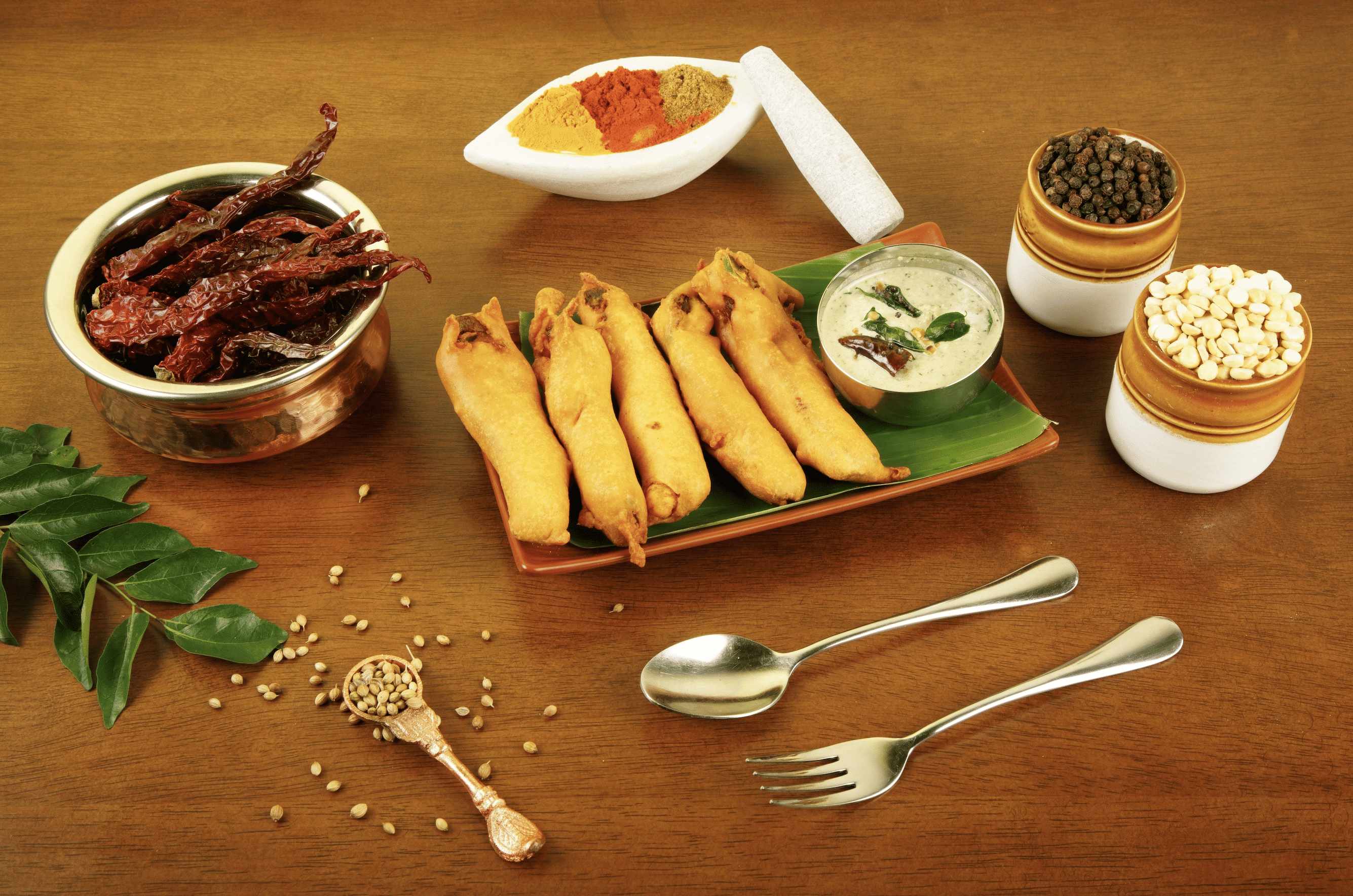
A fried snack made of a long green chilli (thicker variety which is not as spicy as the thinner chilli). This is eaten usually along with tea or kaapi during rainy days or durinng evenings. Please note that this item contains baking soda.
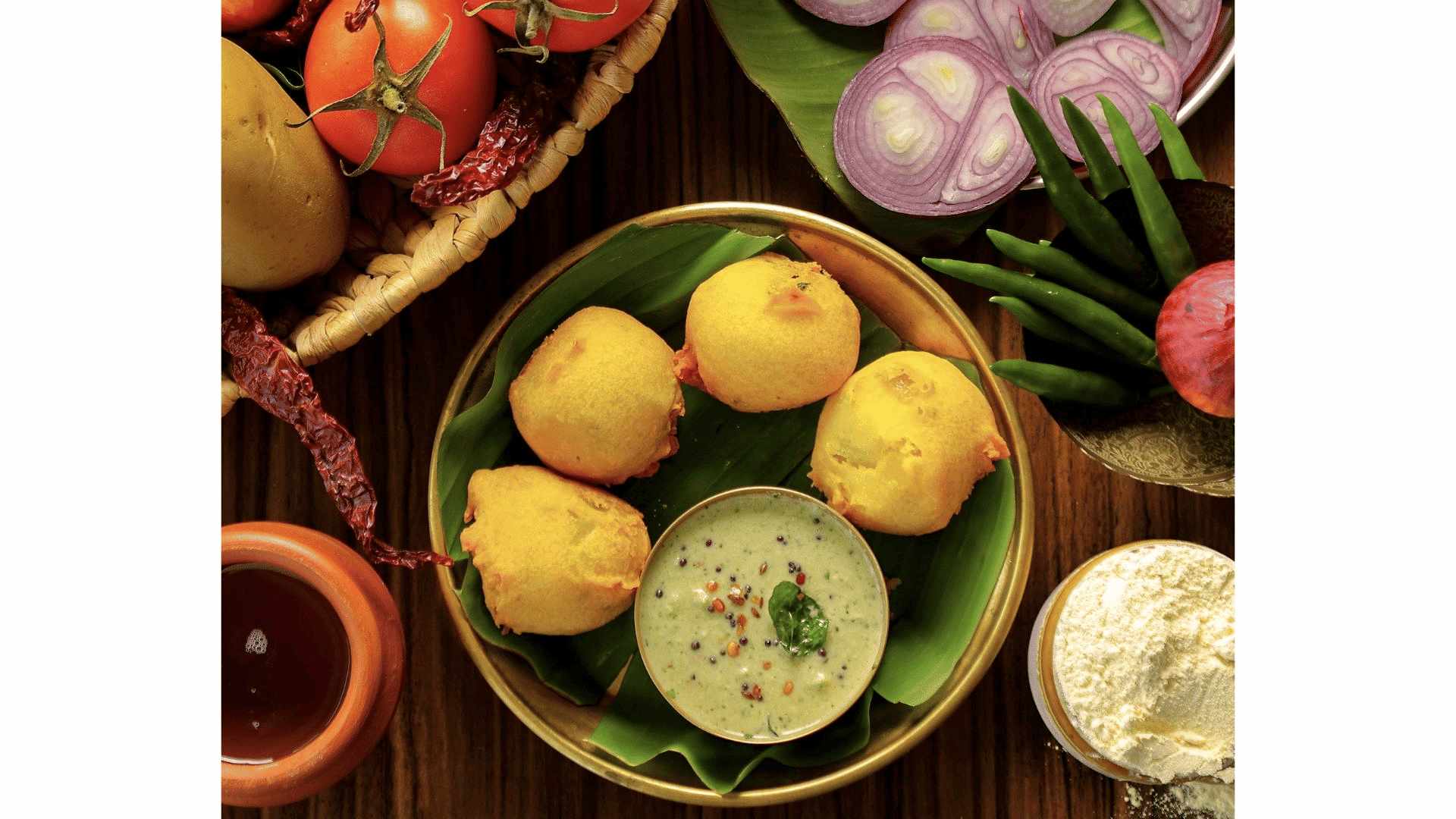
A snack made by deep frying potato and spices, usually eaten along with tea or kaapi during rainy days and/or evenings.
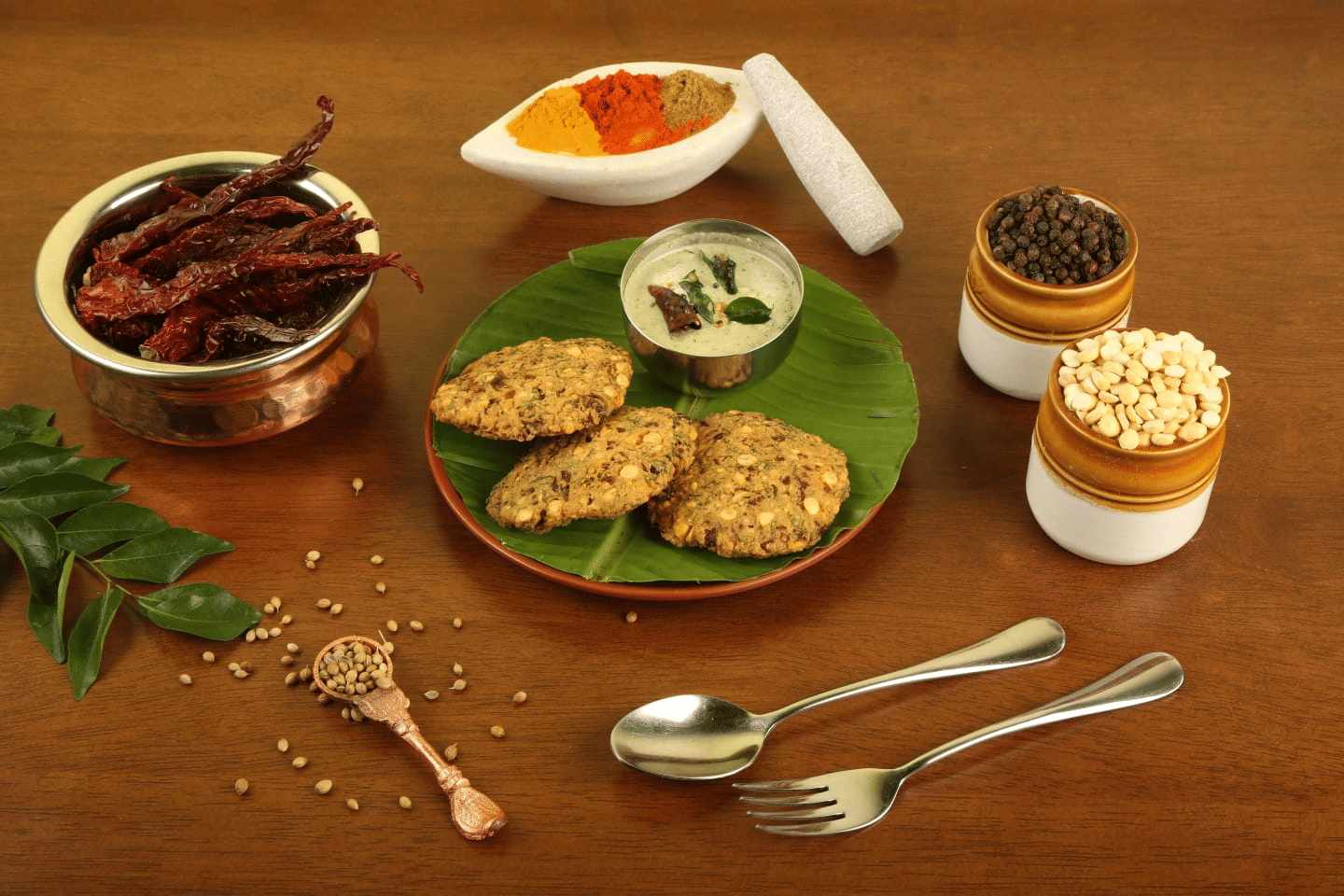
A deep fried snack eaten with chutney
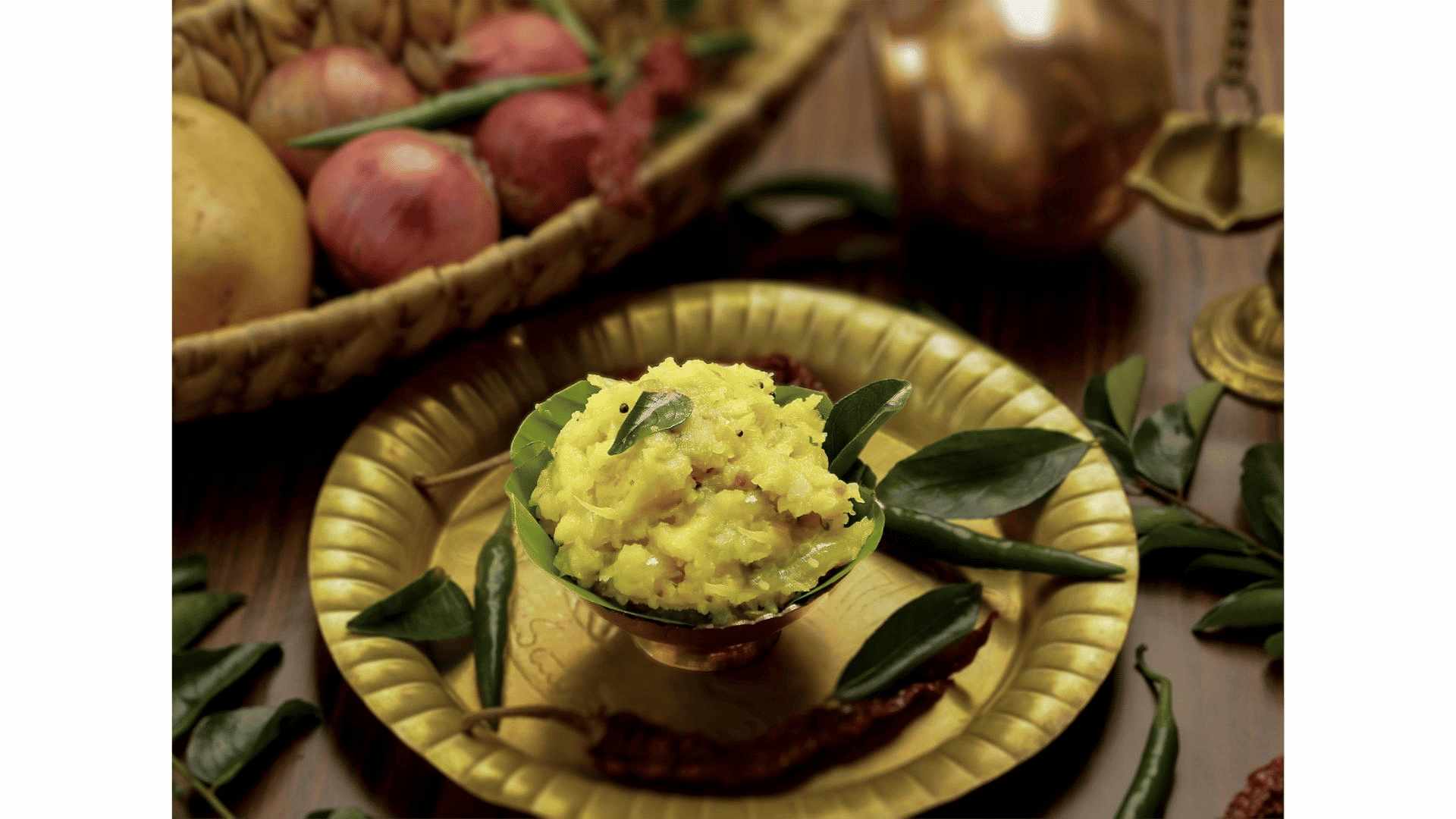
A snack made by deep frying potato and spices, usually eaten along with tea or kaapi during rainy days and/or evenings.
One of the most traditional products of the Udupi region, it is a fried in oil and is eaten with chutney and sambar. Please note that this item contains baking soda.
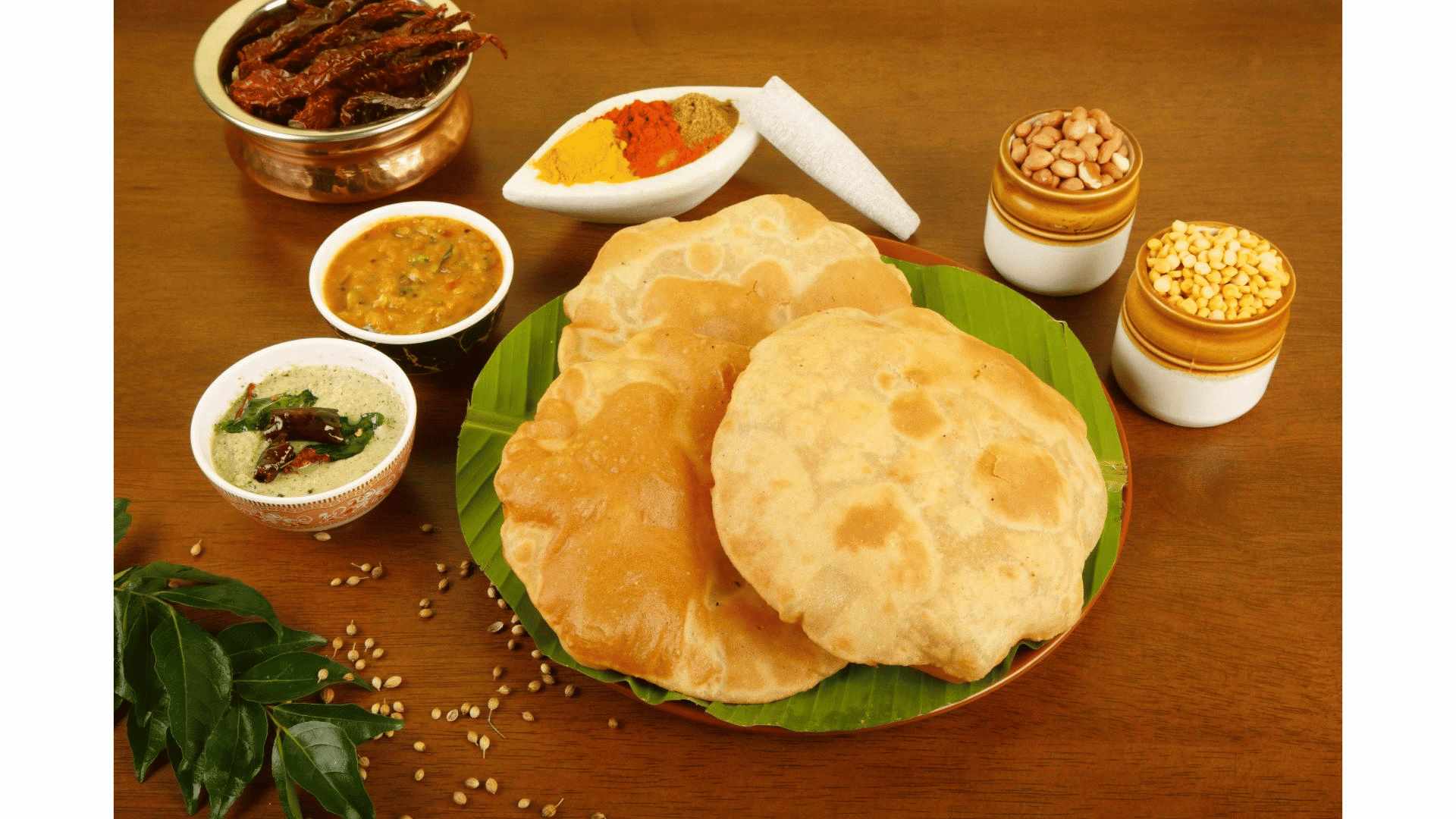
Pōri is made by deep frying wheat flour. Saagu refers to a side dish made with vegetables and spices.
A dish unique to South Canara region and is spicy, similar to the flakes.
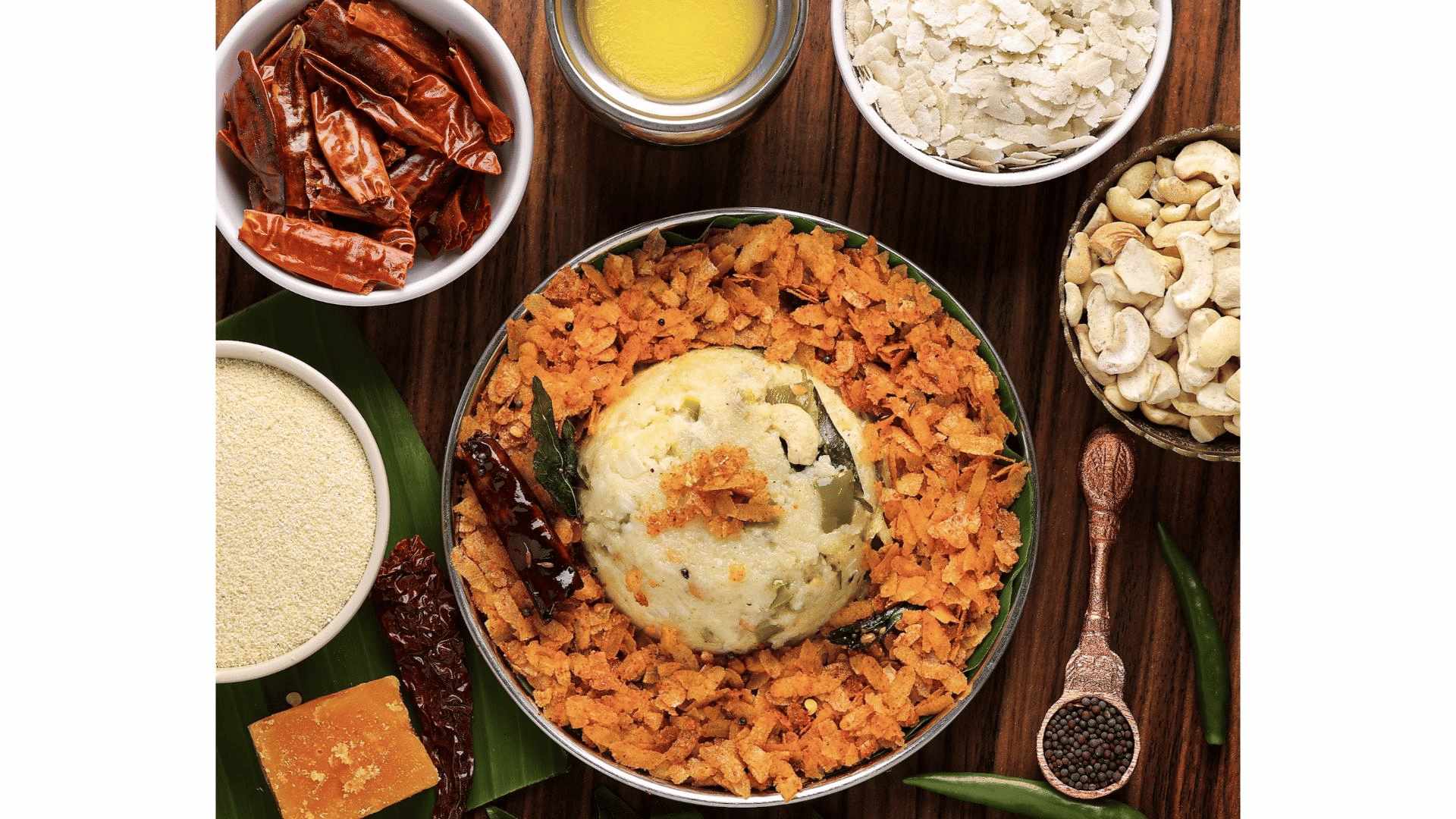
A famous product which is deep fried and mixed with peanuts. Served with chutney.
A dish unique to South Canara region and is spicy, similar to the flakes. Often eaten with the Sajjige.
A single sweet fried bread (called Mangalore Buns) made with mashed bananas, flour, sugar and spiced with a touch of ground cumin. A unique dish from the South Canara region, is eaten with coconut chutney and sambar. Please note that this item contains baking soda.
Eaten often with idli, uppittu or on its own, this is a deep fried item made of urud dal and spices.
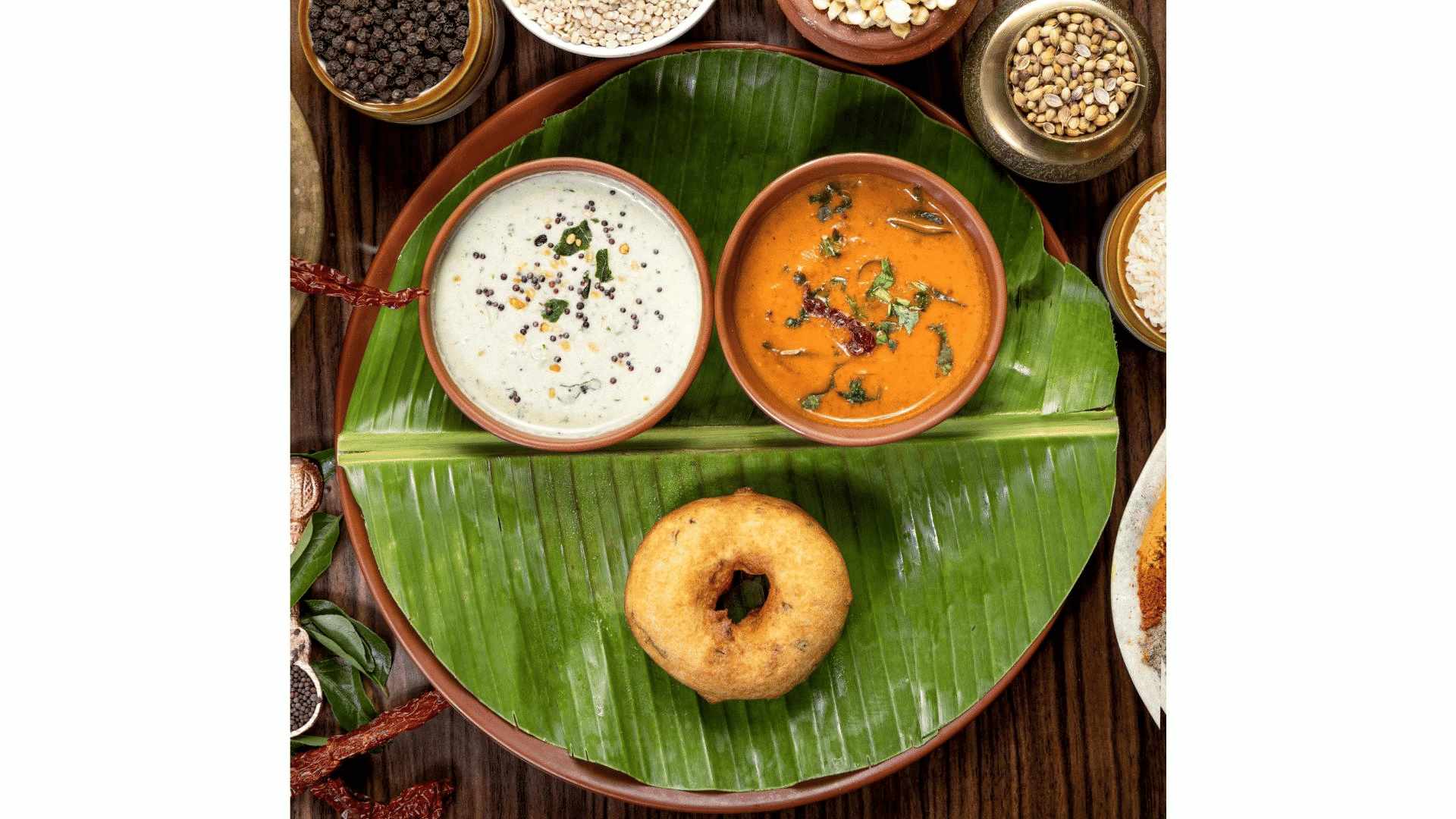
A famous product from Maddur (near Mysore) which is deep fried and mixed with peanuts. Served with chutney.
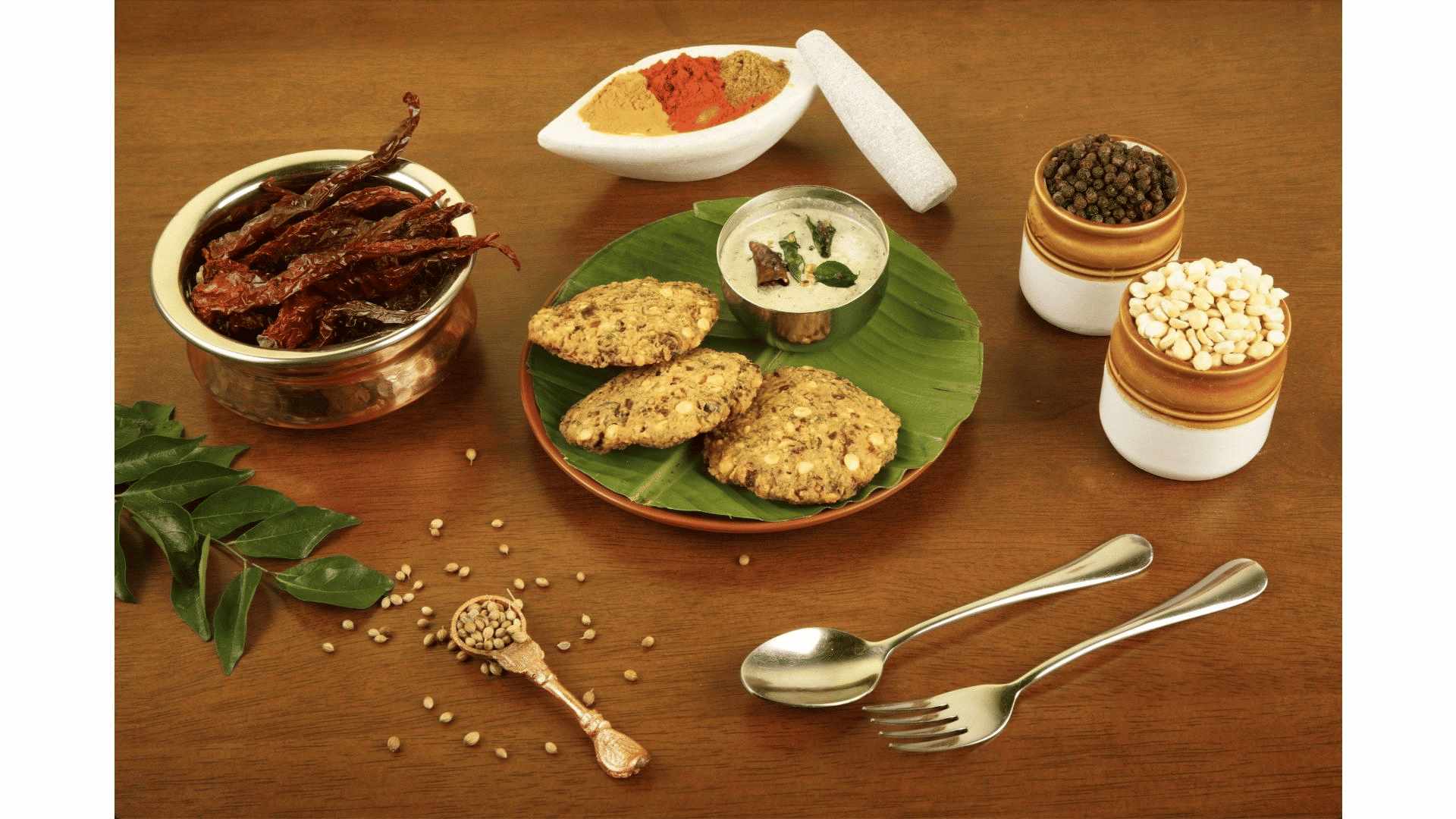
A deep fried snack that is very common to the Mysore region that is spicy and often eaten with a hot kaapi or chaa.
A famous product from Maddur (near Mysore) which is deep fried and mixed with peanuts. Served with chutney.
Simple Chapați smeared with ghee and sprinkled sugar. Usually preferred for children.
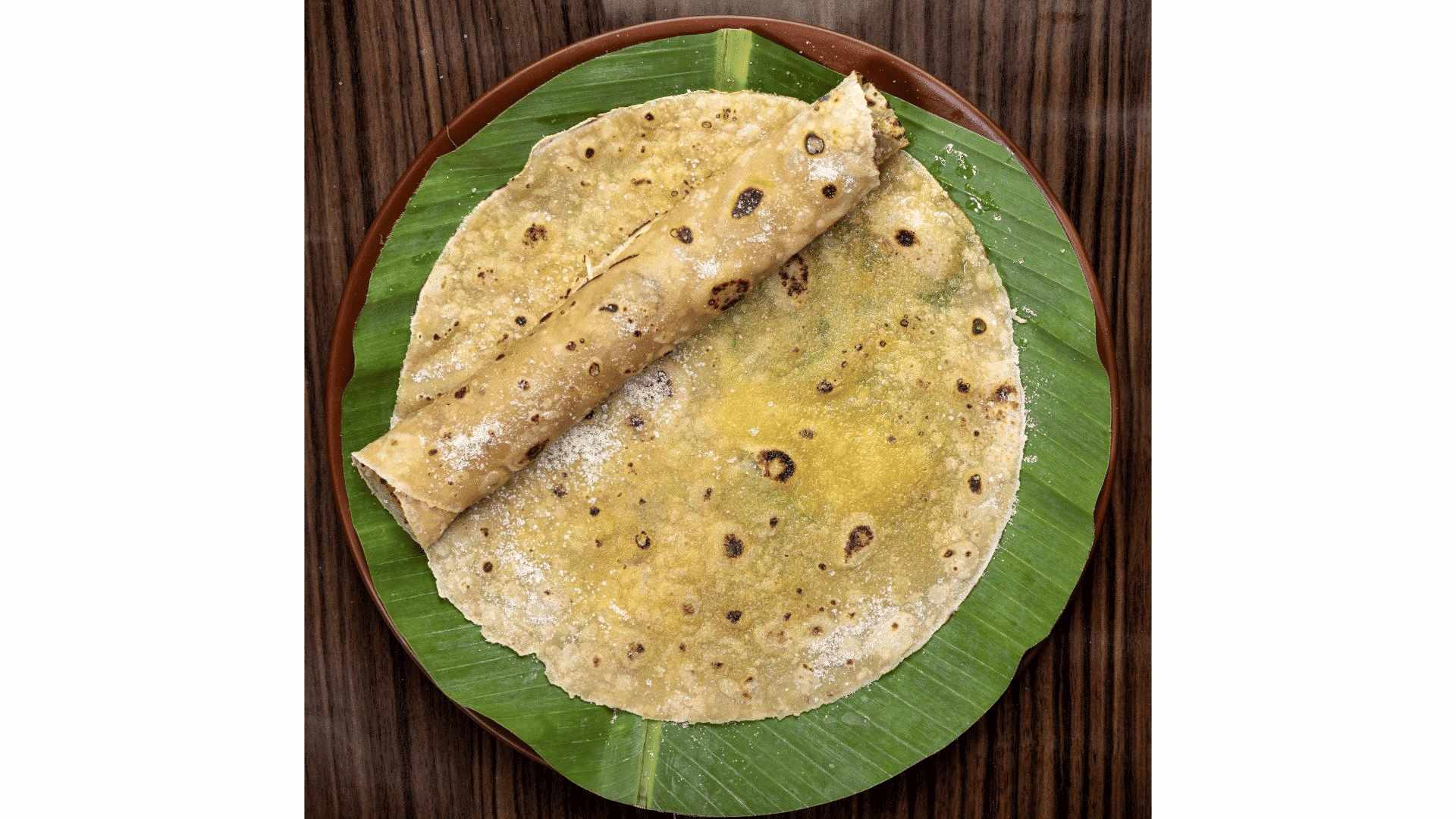
A type of upma with capsicum, green chillies and other spices served with chutney
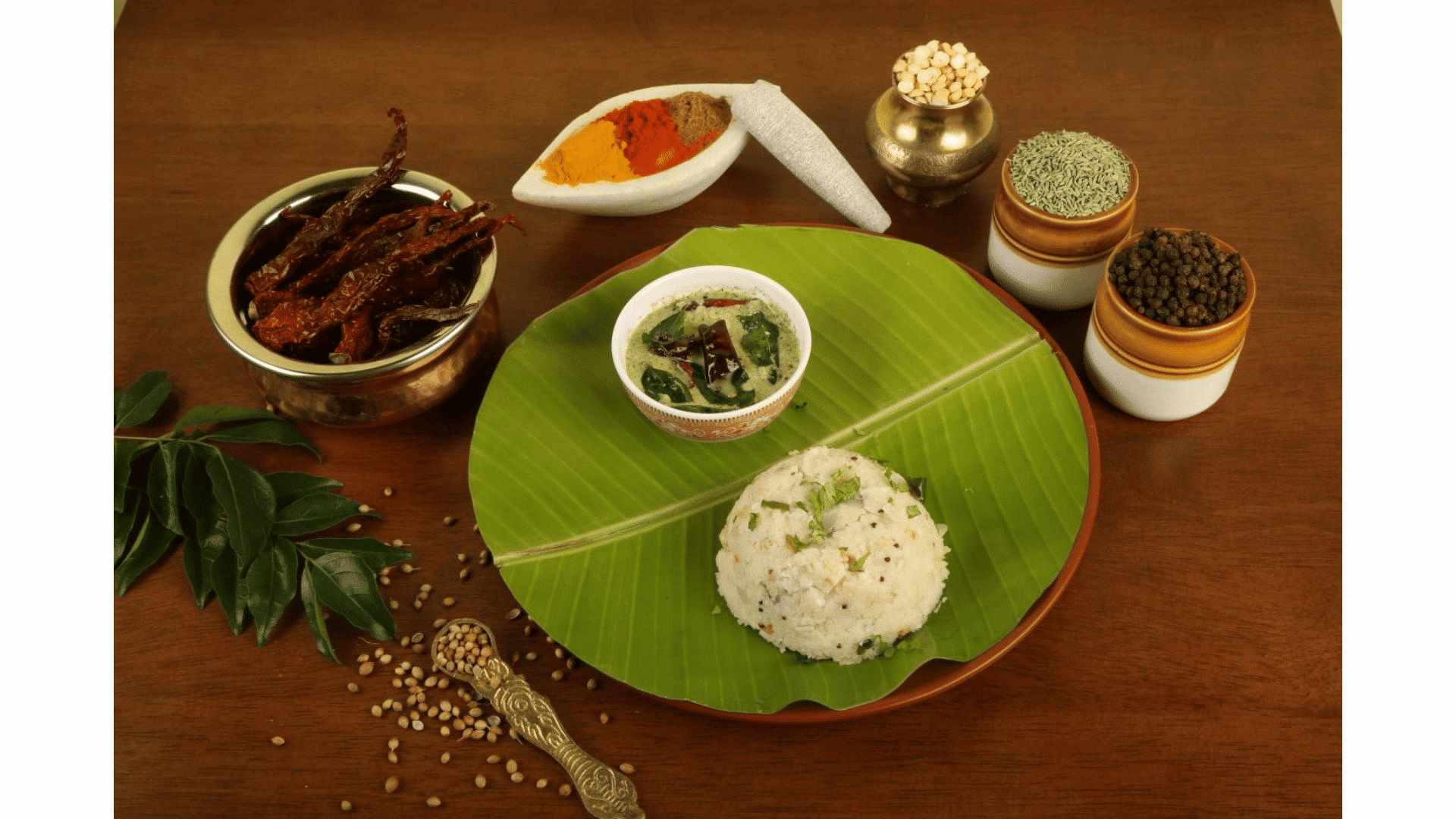
A deep fried snack that is very common to the Mysore region that is spicy and often eaten with a hot kaapi or chaa.
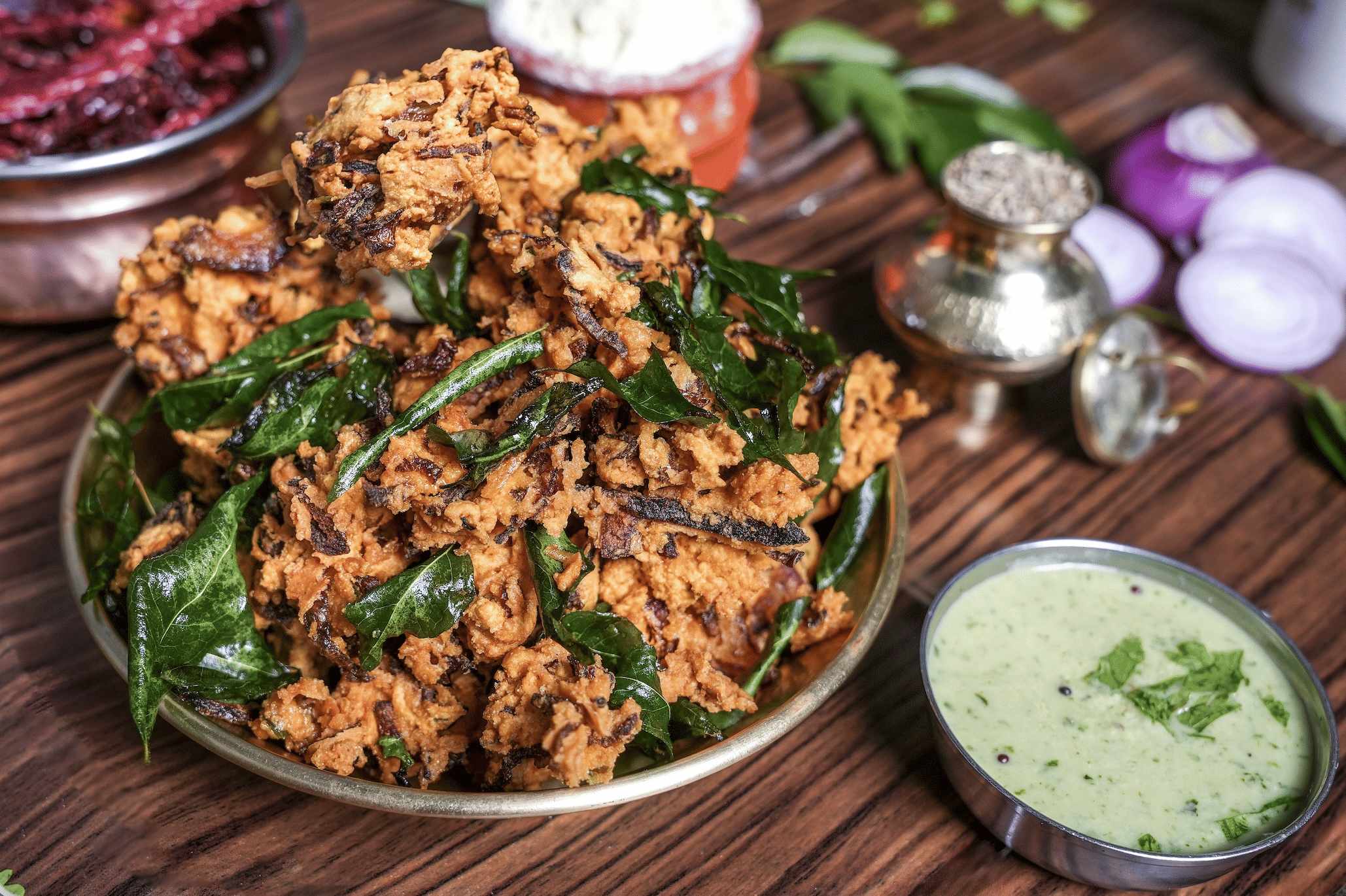
The variant of sweet pongal, and contains the famous black pepper. Served with chutney.
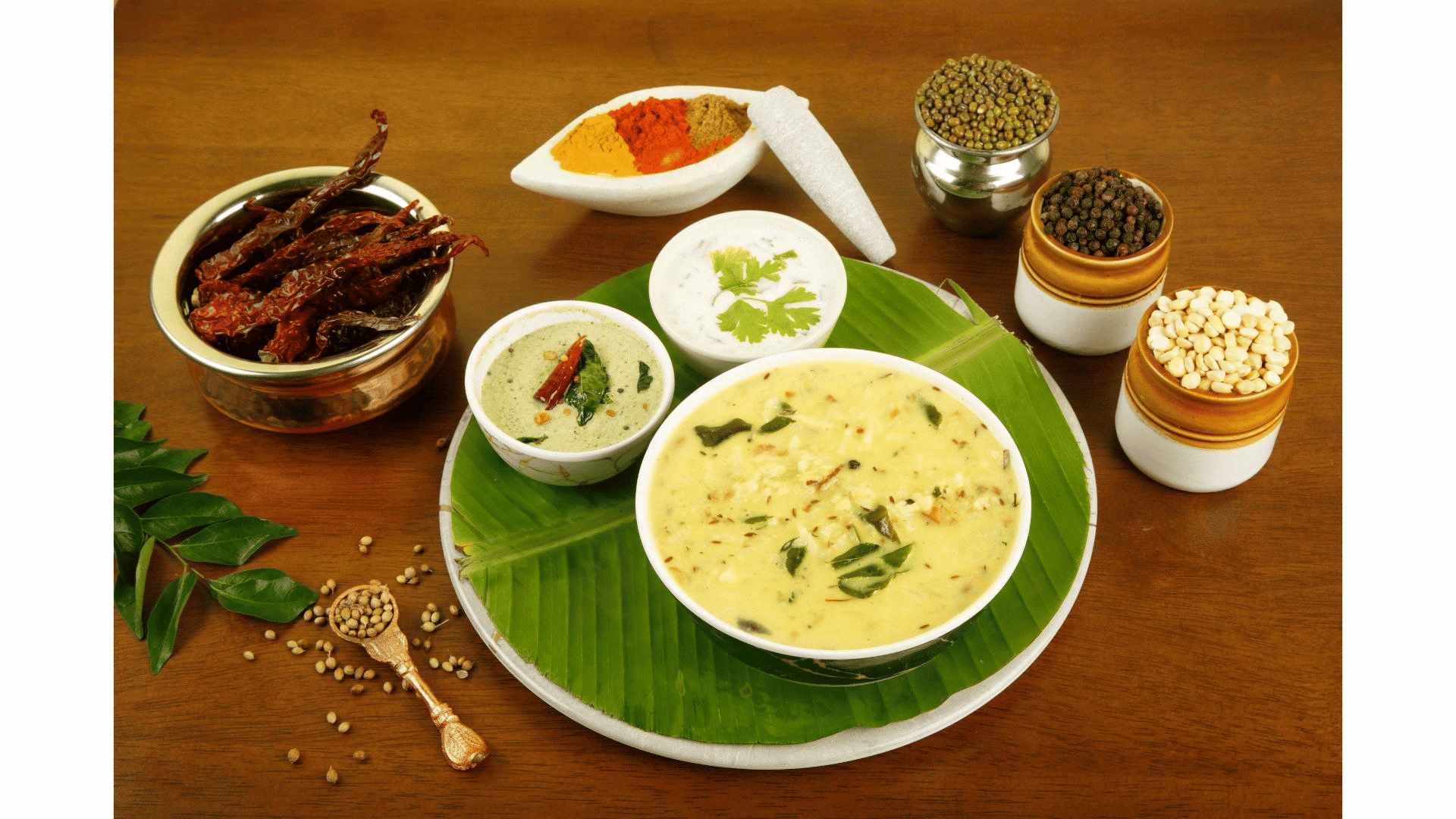
A type of poha with mustard seeds, green chillies and other spices served with chutney
Traditional indian snacks fried in coconut oil. Best eaten with coffee or tea. Price is for 200 grams
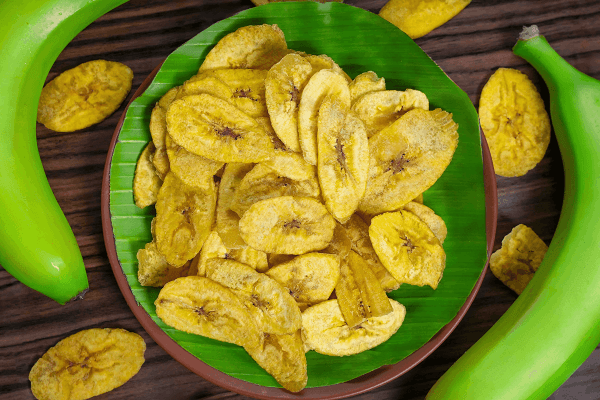
Traditional indian snacks fried in coconut oil. Best eaten with coffee or tea. Price is for 200 grams
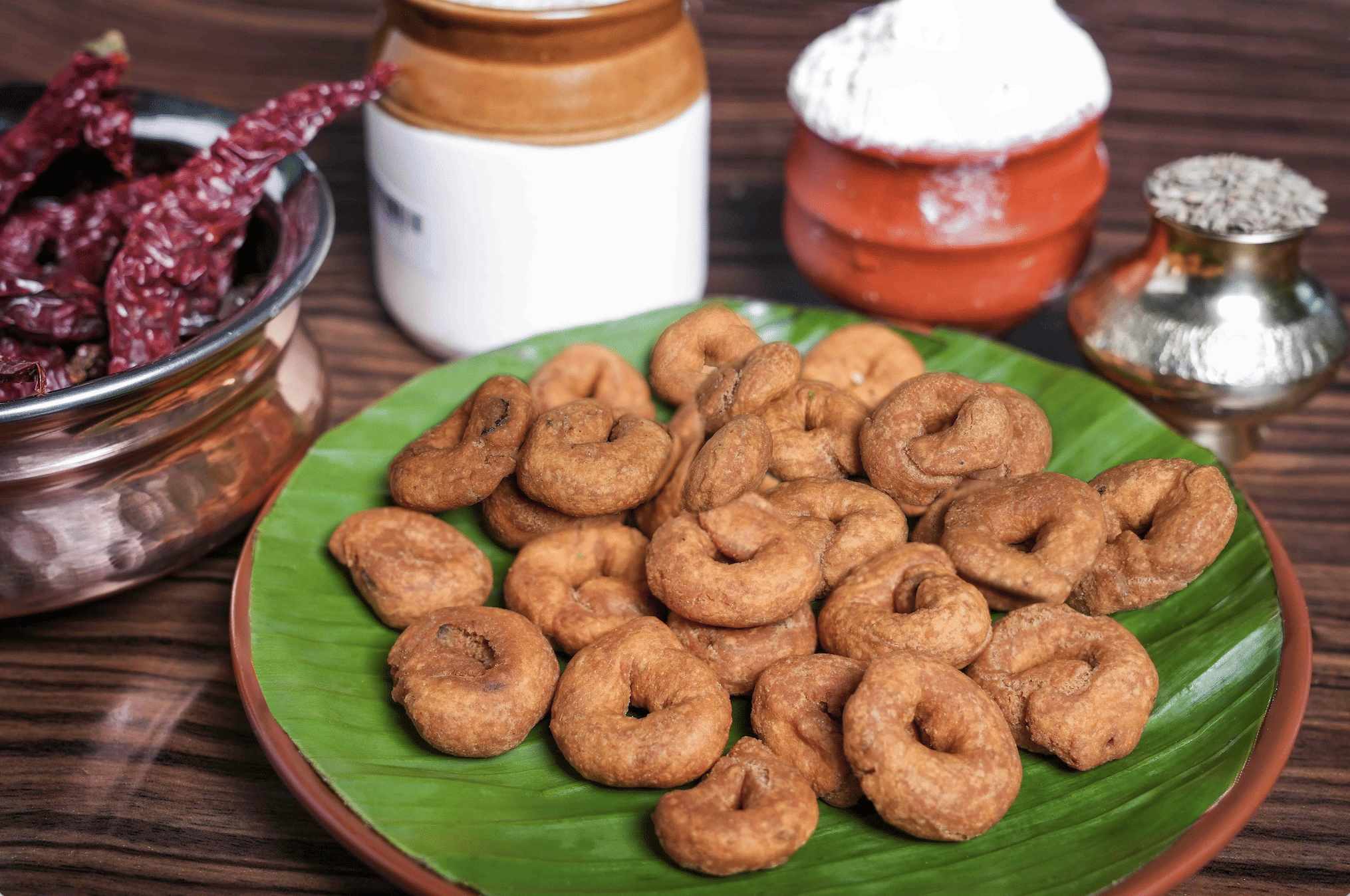
Traditional indian snacks fried in coconut oil. Best eaten with coffee or tea. Price is for 200 grams
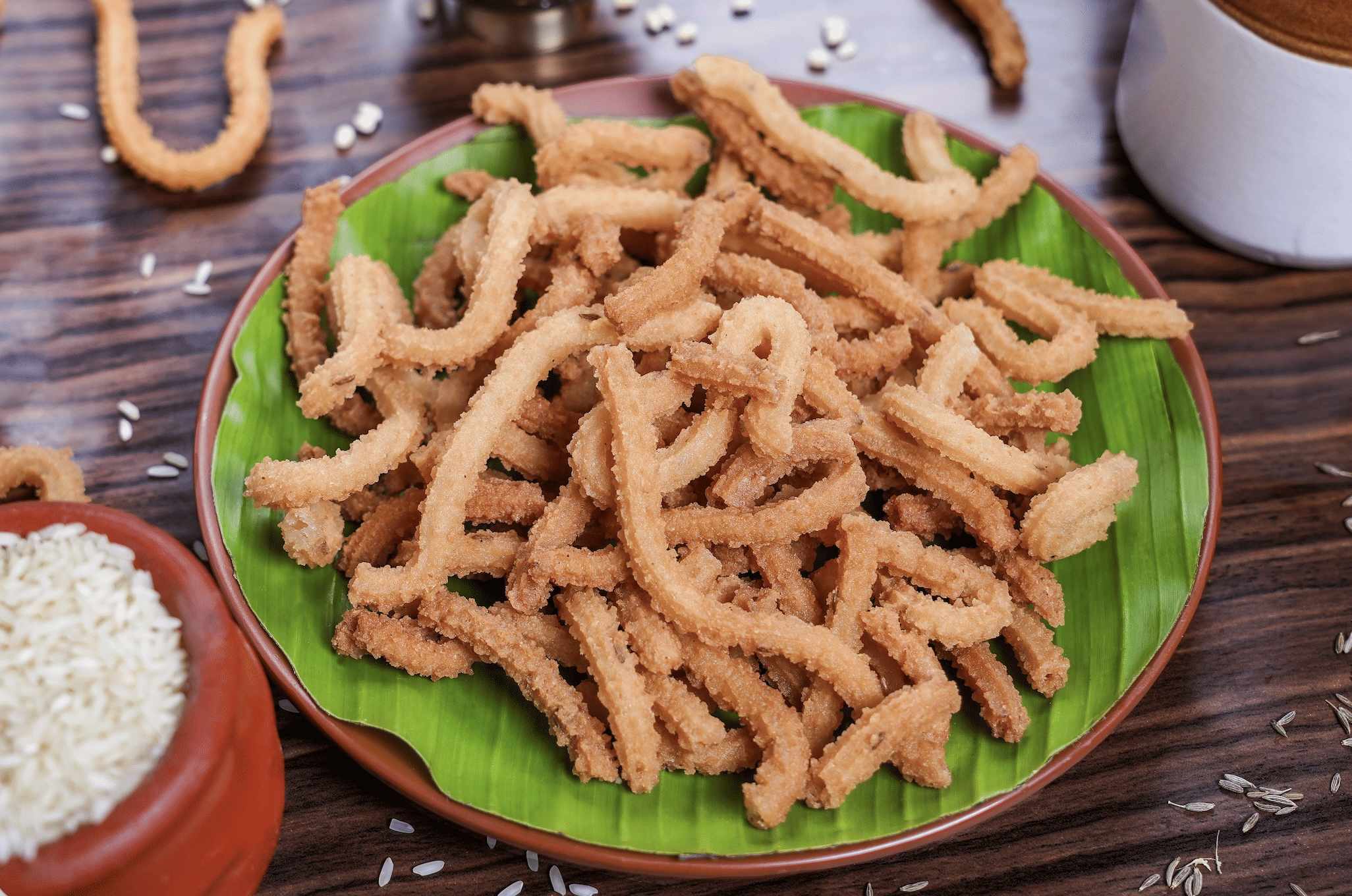
A snack fried in coconut oil and with peanuts. Best eaten with coffee or tea, or as an accompaniment to sambar rice. Sent in 200 gram packet.
Traditional indian snacks fried in coconut oil. Best eaten with coffee or tea. Price is for 200 grams
A spicy snack fried in coconut oil and with peanuts. Best eaten with coffee or tea, or as an accompaniment to sambar rice. Sent in 200 gram packet.
A spicy snack with peanuts, normally eaten with Bisibelebath or Mosaranna. Fried in coconut oil. Also amazing with coffee or tea. Sent in 200 gram packet
A spicy snack with peanuts best eaten with coffee or tea. Sent in 200 gram packet. We fry our snacks in coconut oil for your good health.
A unique offering similar to bhel puri
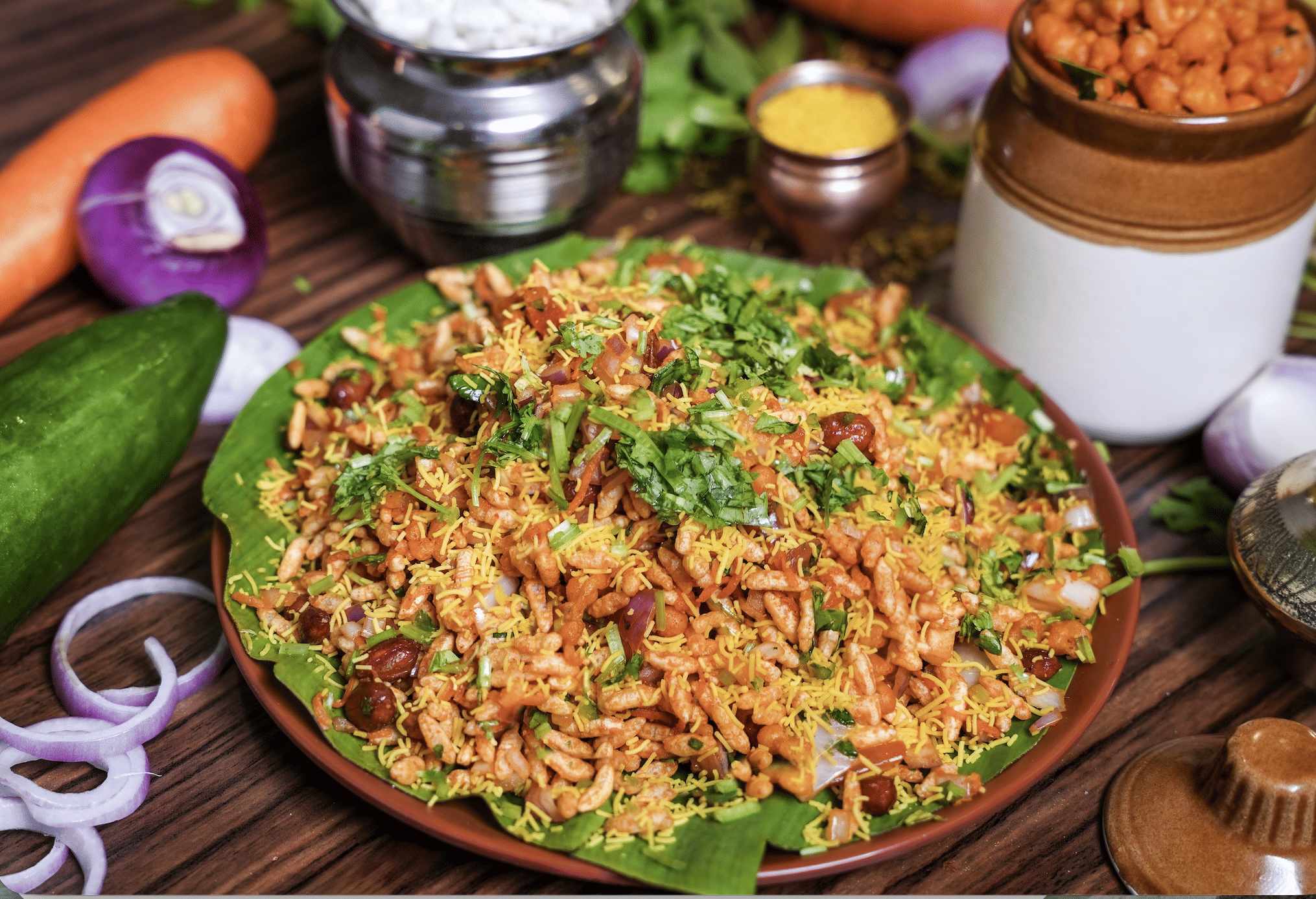
A dry mix of diced cucumber, grated carrots, diced onions, coriander and green chillies. Note that this is uncooked. Remember to specify your spice preference.
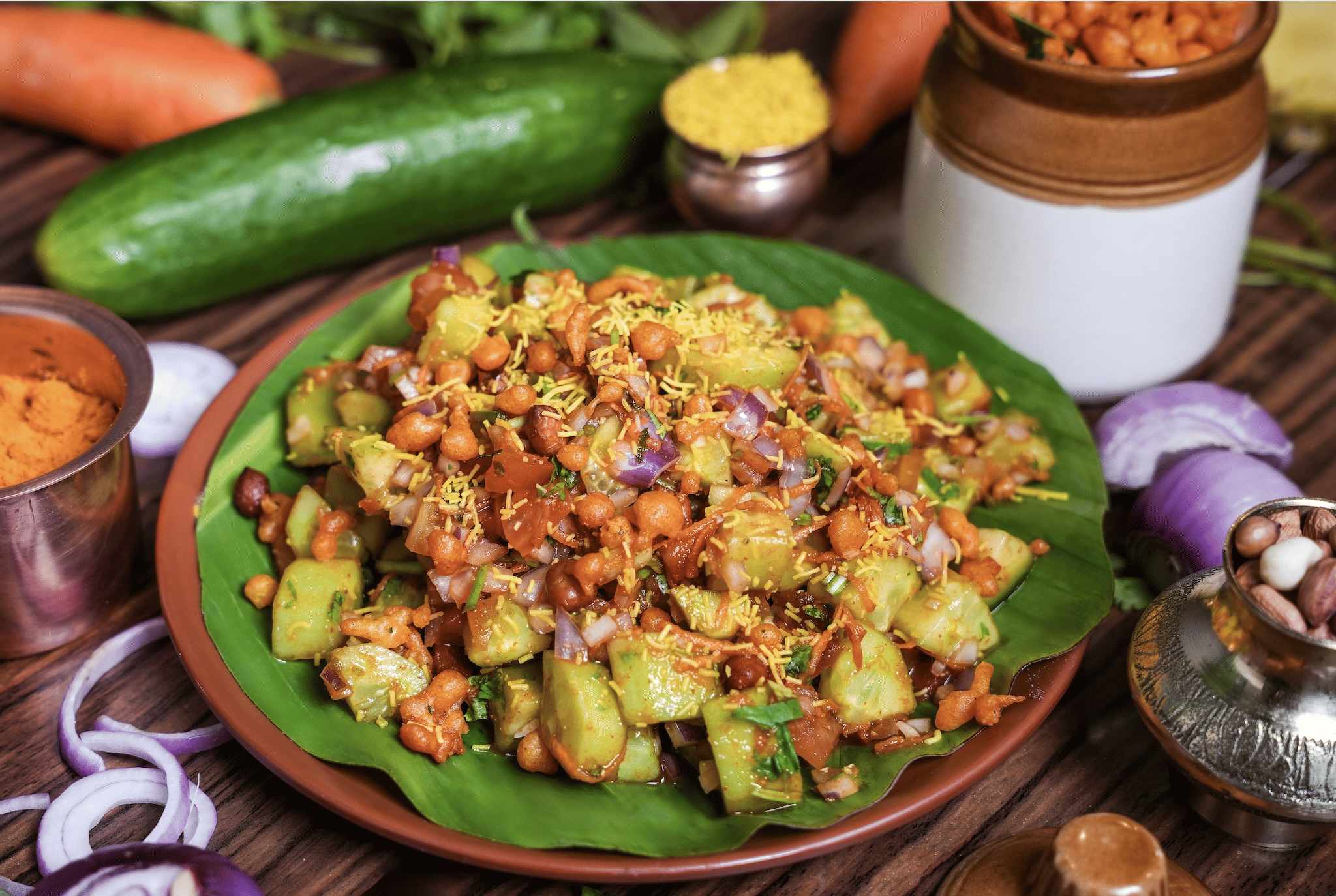
A dry mix of peanuts, grated carrots, diced onions, coriander and green chillies. Note that this is uncooked. Remember to specify your spice preference.
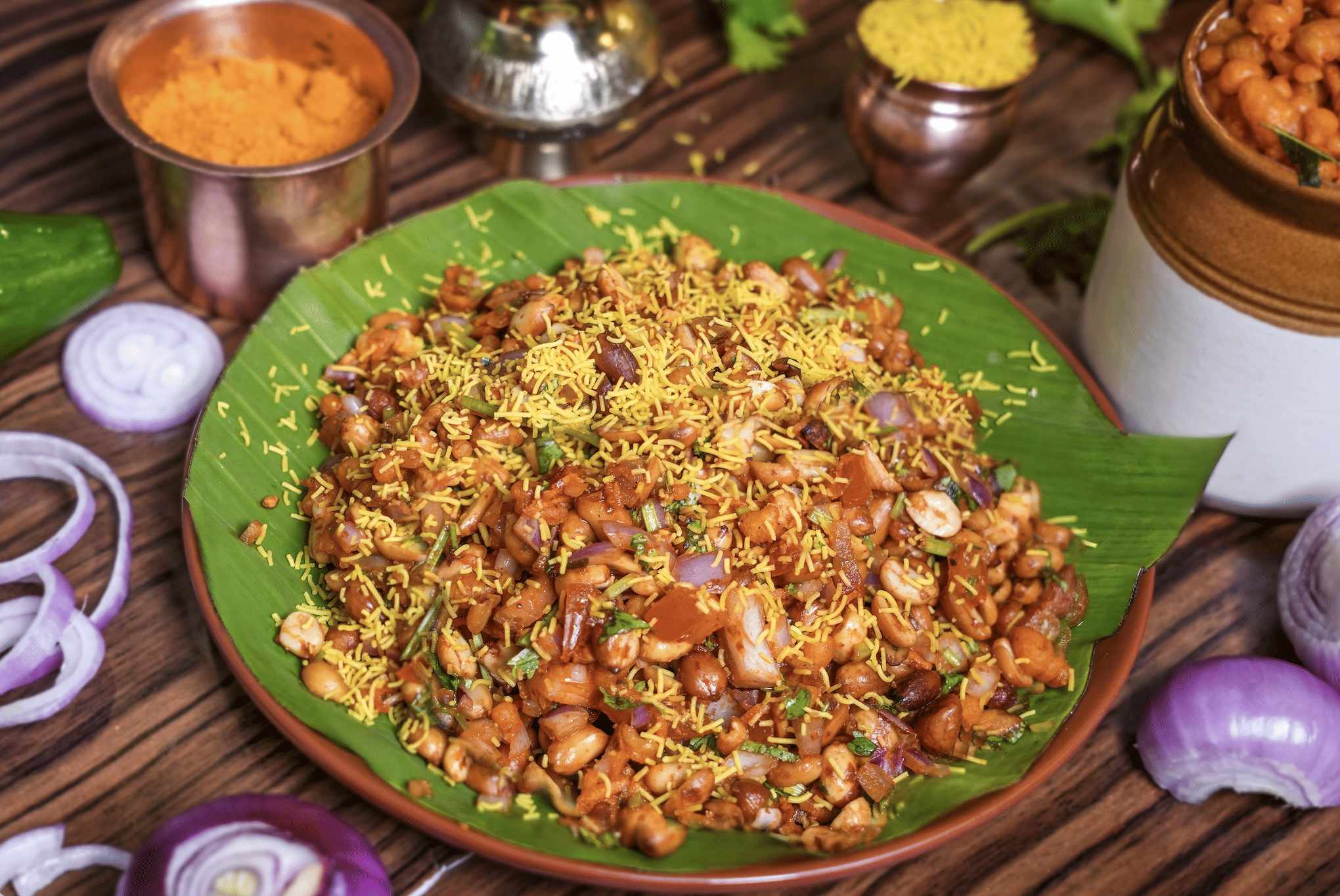
A dry mix of ripe pineapple, grated carrots, diced onions, coriander and green chillies. Note that this is uncooked. Remember to specify your spice preference.
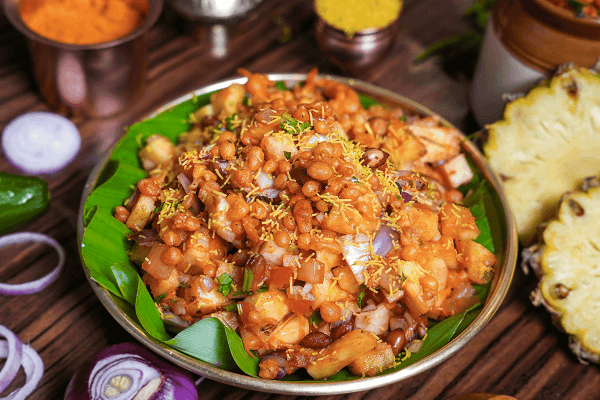
An uncooked mix of cucumber and pineapple with spices
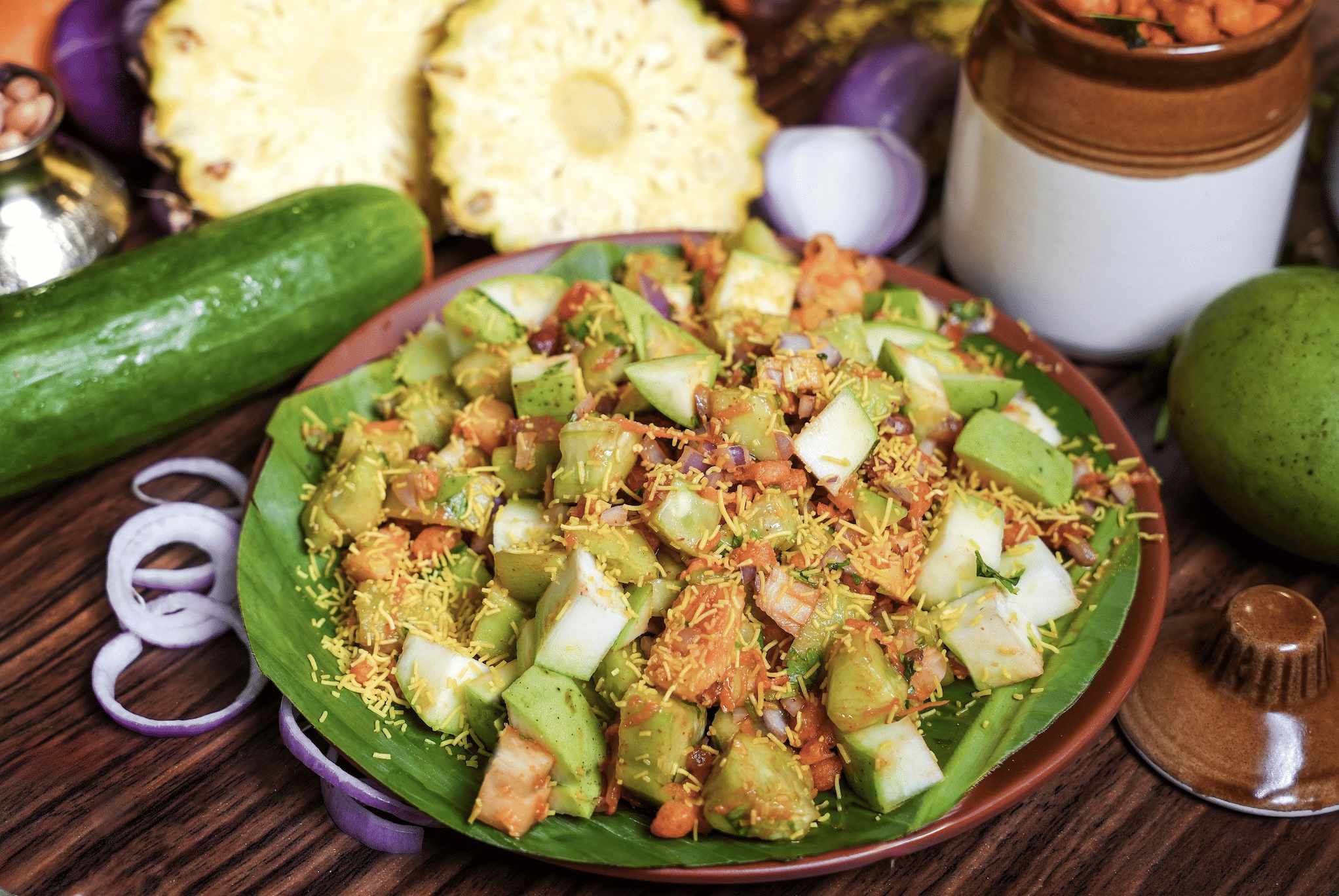
An uncooked mix of cucumber, pineapple and raw mango with spices
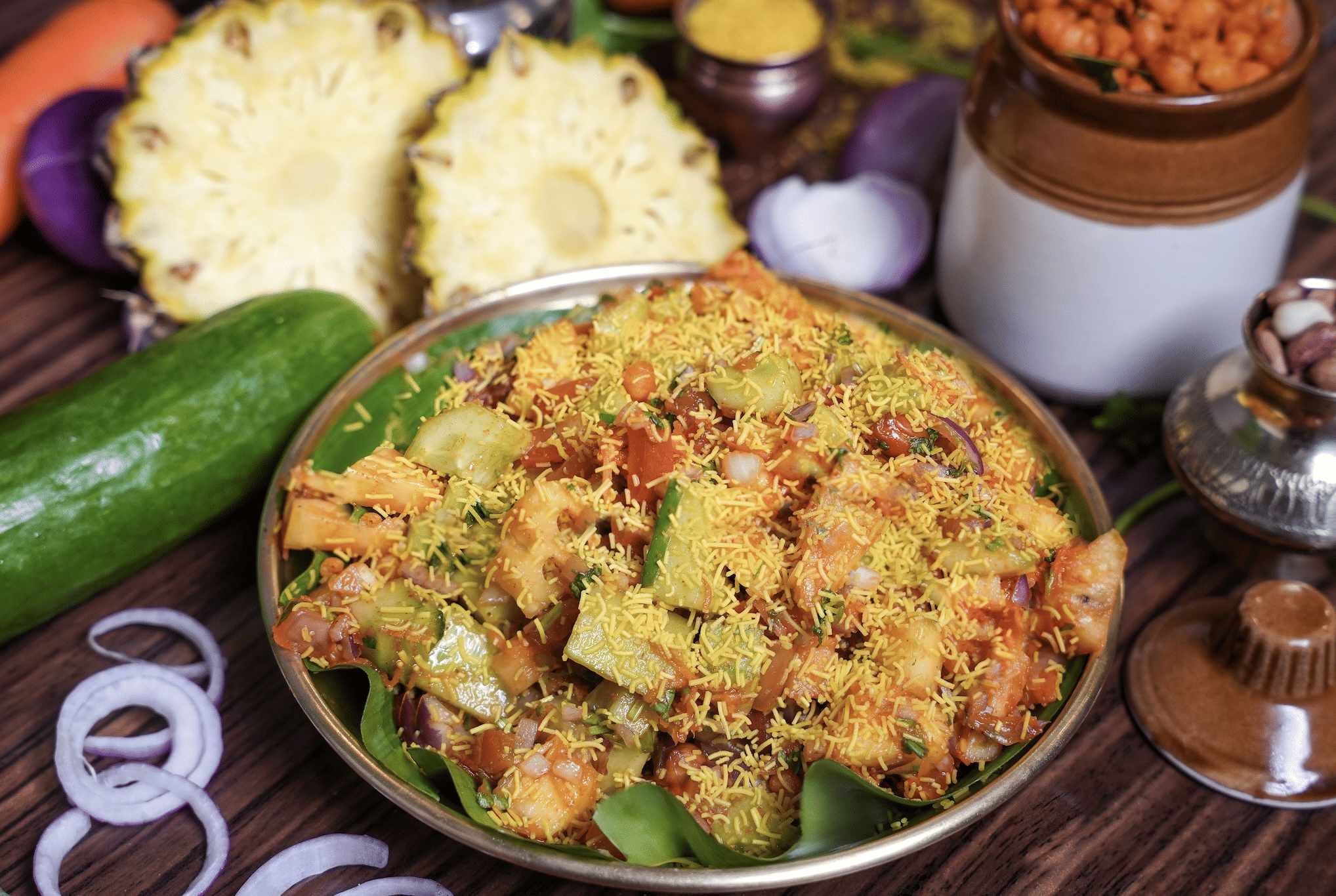
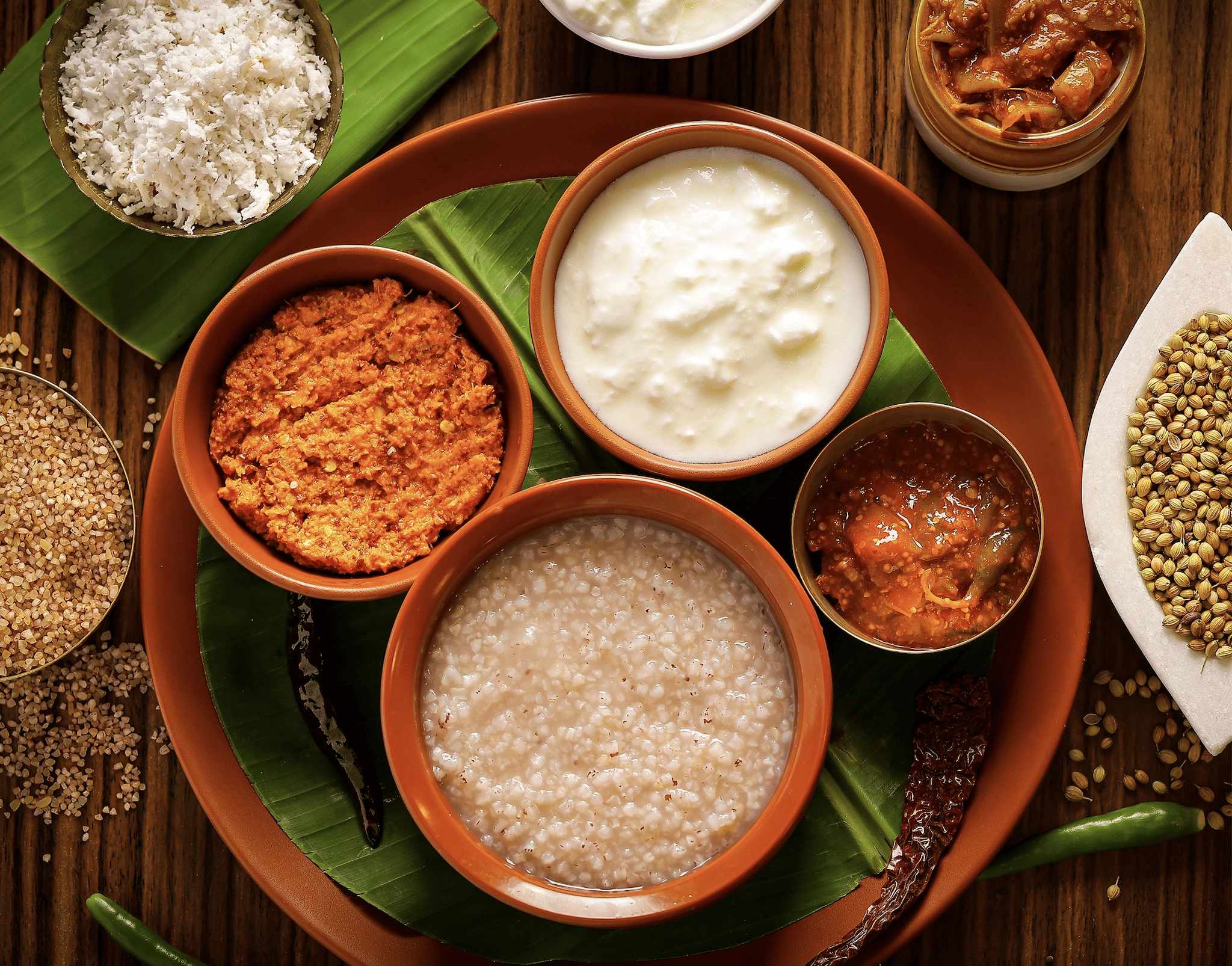
Rice Porridge, Papad, Pickle, Buttermilk, Red Chutney
Salad, Dry curry, Mixed Veg Saagu, Chapathi (2) / Pōri (3), Sambar, Rasam, White Rice, Pudding, Curd, Pickle, Papad
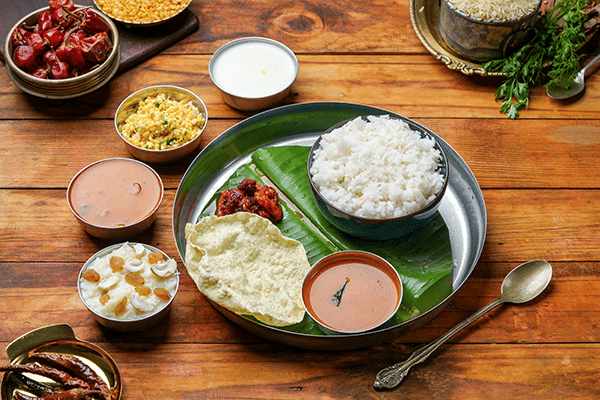
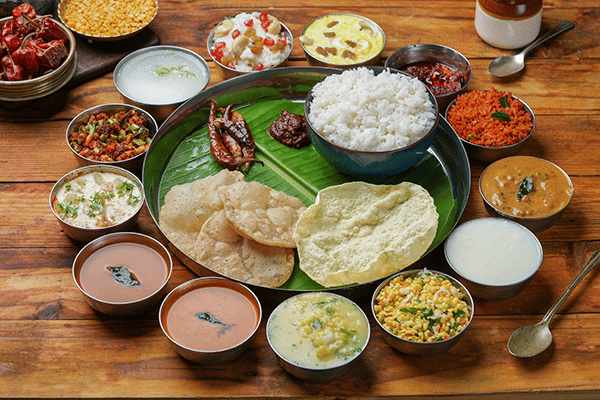
Salad, Dry curry, Mixed Veg Saagu, Chapathi (2) / Pōri (3), Sambar, Rasam, White Rice, Pudding, Curd, Pickle, Papad, and Ice Cream - Note that Ice Cream cannot be sent for online orders
Salad, Dry curry, Mixed Veg Saagu, Chapathi / Pōri, Sambar, Rasam, White Rice, Mixed Rice, Pineapple Tangy ketchup-like paste, Pickle, Papad, Pudding, Curd, Buttermilk and Ice Cream - Note that Ice Cream cannot be sent for online orders
Rice Porridge, Papad, Pickle, Buttermilk, Red Chutney
Dry curry, Sambar, 1 Millet ball – White Rice / 2 Millet ball, Papad, Pickle